


How Teaching Hospitals Turn Students Into Skilled Clinicians
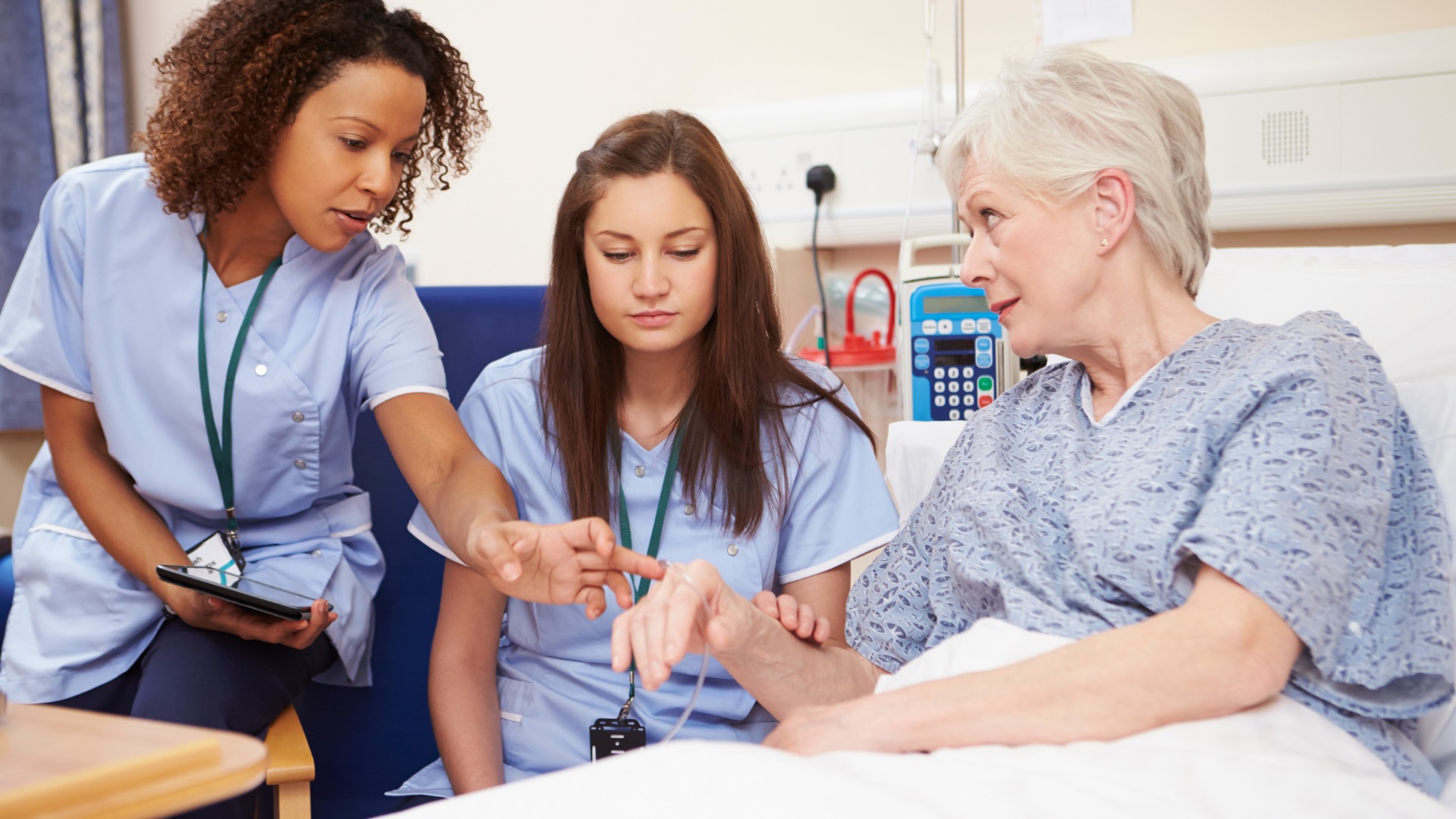
Every great doctor, nurse, or clinical specialist starts somewhere. For most, that starting point is a teaching hospital. From the busy hallways of urban medical centers to regional facilities serving communities across Northeast Wyoming and Southwest South Dakota, teaching hospitals bridge the gap between classroom theory and real-world clinical practice.
How teaching hospitals turn students into skilled clinicians is more than a simple training process. It’s a carefully layered system that shapes confident, capable medical professionals through supervised experience, strong mentorship, and hands-on skill-building, one patient interaction at a time. The impact of this training reaches every corner of healthcare, from major hospitals and urgent care centers to small-town clinics, benefiting patients across the country.
A Learning Environment Built for Growth
Teaching hospitals operate differently from standard care facilities. Licensed physicians, nurses, and specialists work alongside medical students and residents every single day. This setup creates a dynamic, living learning environment where students gradually assume greater clinical responsibility under close supervision.
The structure encourages students to think critically, ask thoughtful questions, and build clinical instincts that go beyond what any textbook can teach. Faculty and residents lead regular teaching sessions in which students present cases and work through clinical reasoning under guidance from the broader care team.
Students also learn early to view difficult cases as opportunities rather than setbacks. This culture of open learning accelerates growth in ways that isolated study simply cannot replicate.
Real Patients, Real Responsibility
One of the most compelling aspects of teaching hospital training is direct patient care. Students don't simply watch from a distance or run through scripted simulations alone. They take complete patient histories, assist with clinical procedures, and participate in complex diagnoses alongside their supervising physicians. This direct exposure moves students beyond rehearsed scenarios and into real clinical situations that demand quick thinking and sound judgment.
Patients in rural and frontier communities, including those across Northeast Wyoming and Southwest South Dakota, often receive care at regional teaching facilities. Student involvement at these facilities brings added attentiveness and a sharper focus on thorough, detail-oriented patient assessment, benefiting every person who walks through the door.
Hands-On Equipment Training
Clinical training extends well beyond patient interactions. Students spend significant time learning to use medical equipment accurately and confidently. Getting familiar with ultrasound machine components is a standard part of many clinical rotations. Students learn to operate the transducer, adjust gain and depth settings, interpret real-time imaging output, and document findings clearly within electronic health records.
They also gain experience handling the monitoring devices and clinical equipment they will use regularly throughout their careers. This type of hands-on equipment training ensures that by the time a student earns a clinical license, they can operate diagnostic tools with precision and calm rather than hesitation. Comfort with technology is now a cornerstone of safe, effective clinical practice.
The Power of Mentorship
Strong mentorship is the foundational element of every teaching hospital. Attending physicians and senior residents guide students through procedures and review clinical reasoning step by step, offering immediate, specific feedback after patient encounters. This ongoing back-and-forth between student and mentor sharpens diagnostic thinking and steadily builds confidence over months of training.
Mentors model professional behavior and guide students in how to approach ethical decisions and tense interactions every time they walk into a patient’s room. Beyond clinical skills, mentors give students a sense of direction and professional identity. Both matter deeply as students face the emotional demands of patient care. The professional habits students form under strong mentorship can last through an entire medical career.
Visual Thinking in Clinical Practice
Today’s medical education places growing emphasis on keen perception and observation as essential clinical skills. Visual thinking strategies in medical education teach students to slow down and closely interpret what they see before reaching conclusions.
Instructors often incorporate fine art, photography, and structured observation exercises to develop and sharpen this skill over time. When students transfer that deliberate habit into clinical settings, they notice subtle changes in a patient’s condition that others might overlook.
Early detection of these changes leads to faster interventions and better patient outcomes. This kind of trained, systematic observation strengthens the standard of care that students deliver from their very first rotation.
Teamwork and Communication on the Floor
Teaching hospitals run entirely on teamwork. Students learn quickly that medicine is not a solo profession. They work alongside nurses, pharmacists, radiologists, respiratory therapists, and specialists who each play a crucial role in patient care.
Students learn to communicate clearly with their care team by practicing together every day. They attend morning rounds and present patient cases to attending physicians while collaborating on treatment plans. Strong interpersonal skills lower the risk of medical errors and reduce patient anxiety, helping create a more efficient care environment.
This experience prepares graduates to function confidently in any healthcare setting, whether that is a large urban hospital or a community clinic serving residents of rural Wyoming or South Dakota. By working closely with diverse teams and patients, students also learn to adapt quickly to new environments and challenges.
Simulation Labs and Low-Stakes Practice
Before students step into high-pressure clinical situations, many teaching hospitals provide simulation labs where they can practice procedures in a controlled, consequence-free environment. These labs use high-fidelity mannequins, virtual reality platforms, and realistic emergency scenarios to help students build muscle memory and sharpen their response time under pressure.
Students practice essential clinical procedures in a controlled setting without the weight of a live patient outcome on the line. Simulation training narrows the gap between classroom instruction and live clinical work.
When students walk into their first real emergency, they draw on that rehearsed experience to stay focused and act decisively. The combination of simulation and hands-on clinical exposure creates well-rounded graduates who arrive at every rotation ready to contribute.
Building the Future of Healthcare, One Clinician at a Time
Teaching hospitals pour enormous resources into building the next generation of healthcare providers. Through direct patient care, equipment training, strong mentorship, collaborative teamwork, and creative learning methods, these institutions prepare students for the full complexity of modern medicine. These regions deserve healthcare providers who hold proper credentials and arrive fully prepared for the wide range of patient needs their communities present.
For families and residents across Northeast Wyoming and Southwest South Dakota, this steady pipeline of well-trained clinicians means better access to skilled, thoughtful care close to home. Understanding how teaching hospitals turn students into skilled clinicians gives patients, families, and entire communities a deeper appreciation for the dedicated professionals who show up every day, ready to learn and ready to serve.