


How Surgeons Work Safely Around Major Blood Vessels
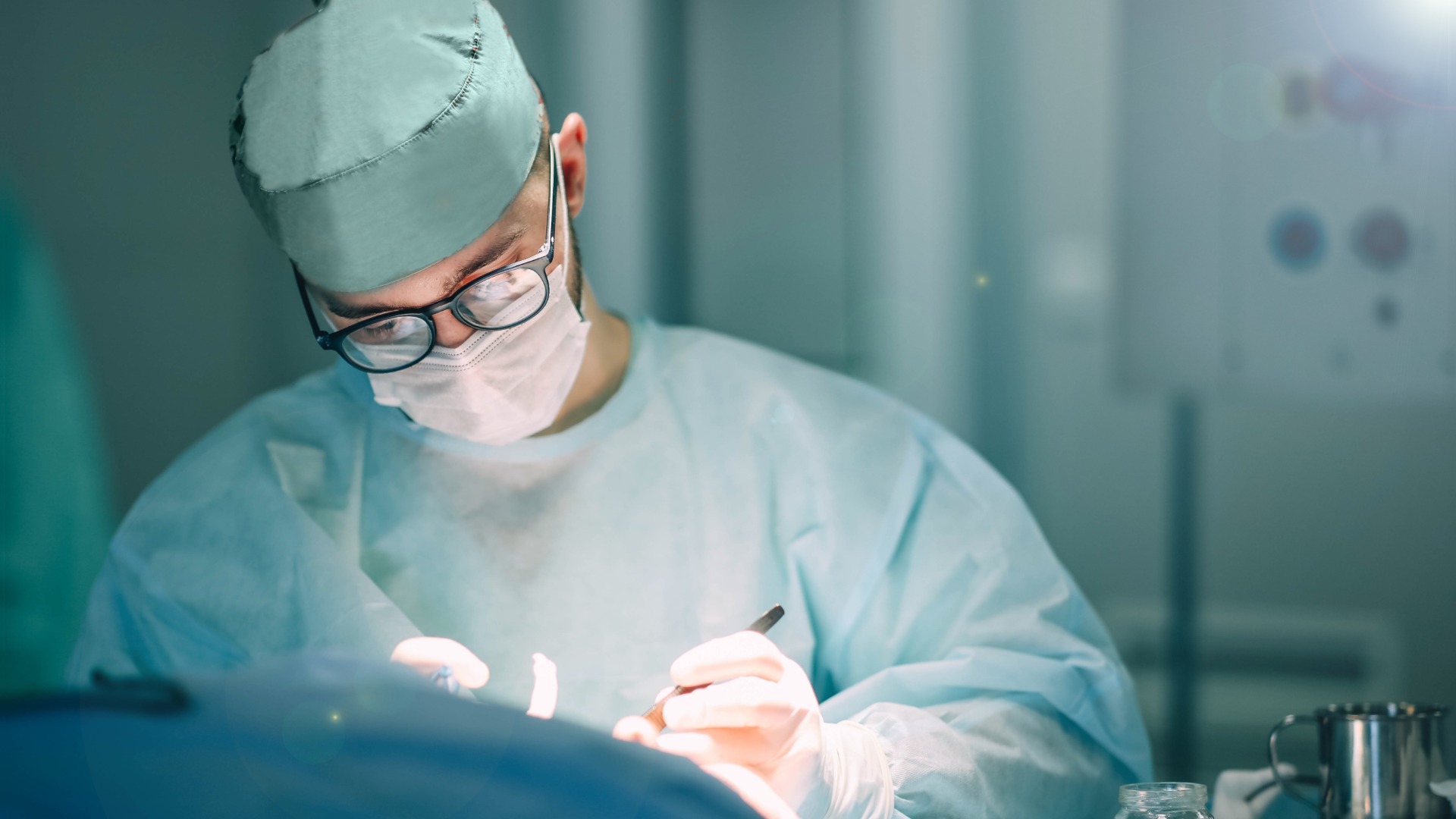
Surgery gets complicated when a surgeon needs to operate near a major blood vessel. A small mistake near a major artery can cause serious bleeding or interrupt circulation to an organ. Fortunately, surgeons have several ways to reduce these risks before making an incision.
To understand how surgeons work safely around major blood vessels, you need to look at the careful planning and decisions behind each procedure. Much of the work involves protecting structures the surgeon has no intention of touching.
Surgeons Study Blood Vessel Locations Before Surgery
Before entering the operating room, surgeons need a clear understanding of the patient's anatomy. Major arteries often follow predictable routes, but individual differences sometimes create unexpected challenges. Previous operations may also shift nearby tissue.
For complex procedures, surgeons often examine CT scans to identify important blood vessels. CT angiography offers a more detailed view of the vascular system when doctors need additional information. These images help surgeons determine where a vessel runs and which approach offers safer access.
Consider an operation involving a kidney tumor. The surgeon needs to understand how closely the tumor sits to the renal artery before attempting removal. Identifying this relationship early helps the surgical team prepare for difficult areas.
Finding the Vessel Before Making Delicate Movements
Once surgery begins, the team must locate key blood vessels within the surrounding tissue. Surgeons rely on their anatomical knowledge while carefully exposing the area.
Recognizing Arteries and Veins
Arteries usually have thicker walls because they carry blood under greater pressure. Veins have thinner walls and often collapse more easily under gentle pressure. These differences help surgeons recognize the structures they encounter.
Still, appearances can be misleading. Scar tissue might hide a vessel or make nearby structures hard to distinguish. Surgeons use Doppler ultrasound during certain procedures to confirm blood flow and identify the vessel's course. This extra information helps them avoid cutting or separating tissue before confirming what lies underneath.
Creating Enough Space Without Stretching Vessels
Surgeons need room to work, especially when the operation takes place deep inside the abdomen. Unfortunately, pulling tissue too forcefully might stretch a nearby vein and cause injury. Instead, surgeons use retractors to move surrounding tissue aside. These instruments hold an opening while the surgical team works inside.
Pressure also requires careful attention. Large veins have relatively thin walls, which makes excessive stretching particularly concerning. Surgeons also follow natural tissue planes whenever possible. These boundaries help them separate neighboring structures without cutting directly through healthy tissue. When a blood vessel lies close to the surgical target, careful separation provides safer access.
Choosing Instruments for Work Near Blood Vessels
Not every surgical instrument works equally well around delicate structures. Some instruments offer precise control in narrow spaces, while others provide gentler tissue contact.
This helps explain why surgical instruments have different tip geometries and how their shapes influence tissue handling. Curved instruments, for instance, help surgeons reach around anatomical structures without approaching directly from above.
The choice becomes particularly important when a vessel sits behind another structure. Surgeons need enough control to separate nearby tissue without placing unnecessary pressure on the vessel wall.
Preparing To Control Blood Flow Before Trouble Starts
Surgeons sometimes need to temporarily interrupt blood flow while repairing an artery. Before taking this step, they consider how the interruption might affect nearby organs.
During certain vascular procedures, surgeons use specialized clamps to control circulation through a specific section of an artery. These clamps allow the surgical team to repair the vessel while limiting bleeding.
The approach requires careful timing because surrounding tissue still needs oxygen. Surgeons consider the expected interruption before choosing their technique. In some operations, they also prepare access to the vessel above and below the surgical area. This preparation gives the team greater control if an unexpected injury occurs.
Different Bleeding Problems Need Different Responses
The surgical team selects a response according to the source and severity of bleeding. Common methods include:
- Direct pressure to temporarily control bleeding while the team assesses the source.
- Suction to remove pooled blood and restore visibility.
- Surgical clips to close appropriate small vessels.
- Specialized sutures to repair damaged vessel walls.
These methods serve different purposes. A technique suitable for a small bleeding branch might not work for an injury involving a major artery.
Adjusting When Scar Tissue Complicates Surgery
Previous operations sometimes leave scar tissue around major blood vessels. This tissue might attach structures that normally move independently, making surgical separation more difficult.
For example, a patient undergoing repeat abdominal surgery might have adhesions near important vessels. These attachments sometimes make familiar anatomical boundaries difficult to recognize.
Surgeons respond by reassessing the area before proceeding. They might approach the tissue from another direction to establish a clearer view.
Knowing When To Change the Approach
During minimally invasive surgery, surgeons work through small openings using specialized cameras. This approach often provides excellent visibility, but severe scarring occasionally limits safe access.
If the surgical team cannot safely continue through these openings, they might switch to an open procedure. The decision gives surgeons more direct access when the situation demands greater control.
Checking Circulation Before Finishing the Operation
After completing delicate work near a major vessel, surgeons need to confirm adequate blood flow. An artery might appear intact while an unexpected narrowing affects circulation.
During certain vascular procedures, surgeons use Doppler ultrasound to evaluate blood movement. Others require additional imaging to check the repaired area. The team also looks for signs of bleeding before closing the surgical site, as it can continue even after the surgery.
These final checks help surgeons identify problems while they still have direct access to the operating area.
Protecting Patients After the Operation
Surgical safety continues during recovery. Nurses monitor patients for changes that might suggest bleeding or circulation problems. Depending on the procedure, the team might check pulses in an affected limb.
Doctors also watch for swelling near the surgical area. Unexpected pain or changes in blood pressure sometimes prompt further evaluation. Recovery monitoring gives the medical team another opportunity to identify complications early.
Understanding how surgeons work safely around major blood vessels makes the importance of preparation clear. Surgeons rely on detailed anatomical knowledge and controlled movements throughout the operation. Their goal is to complete the necessary treatment while preserving circulation and protecting surrounding tissue.