


How To Set up a Successful Indoor Grow Room
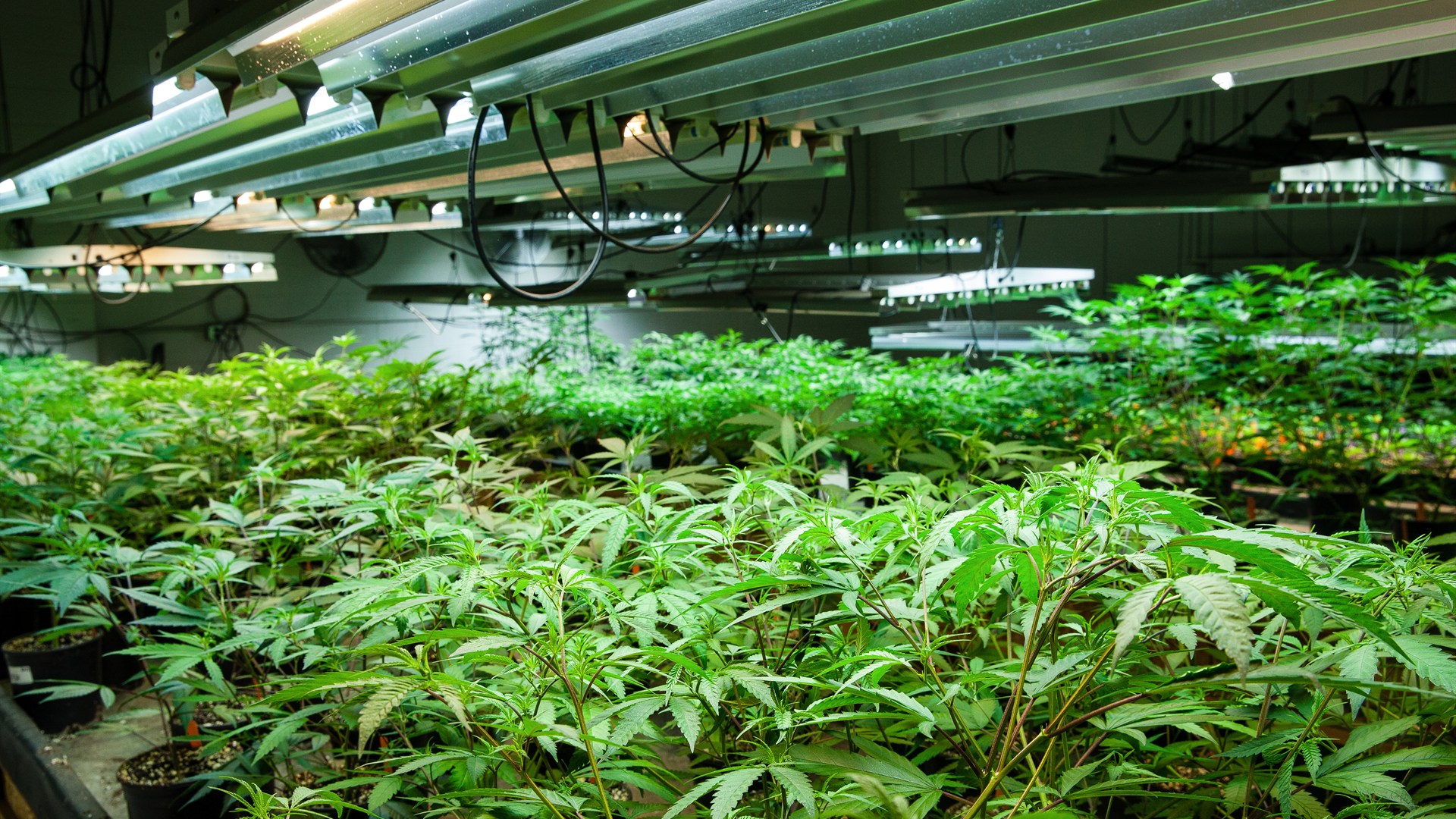
An indoor grow room gives gardeners greater control over plant development regardless of outdoor weather. However, productive growing requires more than placing containers beneath artificial lights. Understanding how to set up a successful indoor grow room means designing a space that supports healthy roots, consistent environmental conditions, and convenient daily maintenance. Whether you want to grow herbs throughout winter or cultivate vegetables year-round, the right setup can make indoor gardening more manageable and rewarding.
Choose a Suitable Location
Start by identifying a space that offers reliable electricity and enough room for your intended plants. Spare rooms, basements, and enclosed utility areas can work well when they remain accessible. Consider how easily you can transport water and supplies into the space without disrupting your household.
Look for surfaces that tolerate occasional moisture and allow thorough cleaning. Carpet can retain spilled water, while unfinished materials may absorb humidity. A washable floor covering provides additional protection and simplifies cleanup. Make sure the location also permits safe ventilation without directing humid air into vulnerable building cavities.
Before installing equipment, measure the room carefully. Account for the height of mature plants as well as the clearance required above lighting fixtures. Leaving adequate working space around containers makes inspections easier and reduces accidental damage during routine care.
Plan the Growing Layout
A functional layout should match your plant collection and daily maintenance habits. Group plants with similar light requirements together so you can adjust equipment without compromising neighboring crops. Place frequently accessed supplies where you can reach them without crossing wet areas or moving heavy containers.
Think about improving the layout of your grow room before purchasing permanent shelving. Sketch the location of each growing surface and identify paths for comfortable movement. Keep electrical outlets accessible and avoid placing equipment where water might splash onto connections.
Adjustable shelves offer flexibility for seedlings and compact plants, although larger crops may need dedicated floor space. Allow enough separation between containers for air movement and future growth.
Select Appropriate Grow Lighting
Indoor plants depend on artificial lighting when natural sunlight cannot meet their needs. LED grow lights offer adjustable options for different spaces and typically produce less heat than many older lighting technologies. Choose fixtures based on the coverage area and the requirements of the plants you intend to grow.
Position lights according to manufacturer guidance rather than assuming that closer always means better. Excessive intensity can stress foliage, while insufficient light encourages weak growth. Adjustable hanging hardware helps you maintain suitable distances as plants become taller.
Use a timer to establish consistent daily lighting periods. Different crops respond to different durations, so research the needs of your chosen varieties. Check for uneven coverage by observing plant growth across the entire area.
Control Temperature and Humidity
Temperature influences how efficiently plants use water and develop new growth. Select a comfortable target range appropriate for your crops, then monitor conditions near the plant canopy. Temperatures can differ noticeably between the center of a room and areas beside exterior walls.
Humidity also deserves attention because enclosed spaces can retain moisture from irrigation and transpiration. A hygrometer helps you understand whether conditions remain stable throughout the day. Depending on your climate, you may need a humidifier or dehumidifier to maintain suitable levels.
Track patterns over several days and consider how lighting schedules affect the environment. Consistent conditions generally support healthier growth than frequent changes that force plants to adapt repeatedly.
Establish Safe Air Circulation
Moving air helps distribute temperature more evenly and prevents stagnant pockets around dense foliage. Install circulation fans that create gentle movement without constantly blasting leaves. Strong airflow can dry growing media too quickly or cause unnecessary stress to delicate seedlings.
Ventilation serves a different purpose by exchanging indoor air with an appropriate fresh-air source. Plan how warm or humid air will leave the space while considering the building's existing heating and cooling systems. Never vent moist air into an attic or enclosed wall space.
Inspect fan openings and filters regularly. Keep cables secured away from rotating blades, and follow electrical safety recommendations when operating devices near irrigation areas.
Choose Containers and Growing Media
Healthy roots need a growing environment that balances moisture with oxygen. Select containers with suitable drainage and enough volume to support mature plants. Oversized containers can stay wet longer than expected, particularly when seedlings have small root systems.
Choose growing media that match your preferred watering routine. Potting mixes designed for containers usually provide a more predictable starting point than garden soil brought indoors. Some gardeners prefer soilless substrates, but these may require different feeding practices.
Place saucers beneath containers to capture runoff without allowing roots to sit in standing water. Clean up spills promptly and inspect surfaces for persistent dampness.
Develop a Consistent Watering Routine
Watering needs change as plants mature and environmental conditions shift. Instead of following a rigid calendar, check the growing medium and observe each plant's response. Containers that feel light may need attention, while consistently saturated media suggest that watering should become less frequent.
Apply water slowly enough for the medium to absorb it evenly. If excess liquid collects beneath a pot, empty the saucer after drainage finishes. This practice discourages prolonged saturation and helps maintain healthy root conditions.
Keep basic notes about watering frequency and visible growth. They also help you recognize when changes in temperature or lighting affect moisture demand.
Keep the Space Clean and Organized
Routine cleaning reduces the chance that small issues will become persistent problems. Remove fallen leaves promptly and wipe growing surfaces whenever spills occur. Inspect plants for unusual discoloration or visible pests while performing ordinary maintenance.
Store fertilizers according to their labels and keep them away from children and pets. Clearly label containers so you can identify supplies without opening everything. Avoid crowding electrical equipment with storage boxes or other combustible materials.
Review your setup as plants develop. What works for young seedlings may become inconvenient once foliage spreads. Small adjustments to container spacing and equipment placement can preserve access without requiring a complete redesign.
Build a Grow Room That Lasts
Learning how to set up a successful indoor grow room begins with practical decisions that support your plants and fit your available space. Reliable lighting and thoughtful environmental control create a strong foundation, but regular observation keeps the system working effectively. Start with a manageable collection, learn how your growing conditions behave, and make improvements as experience reveals new needs. A well-maintained room can provide a dependable setting for healthy plants throughout the year.