


How to Reduce Food Waste in Manufacturing Processes
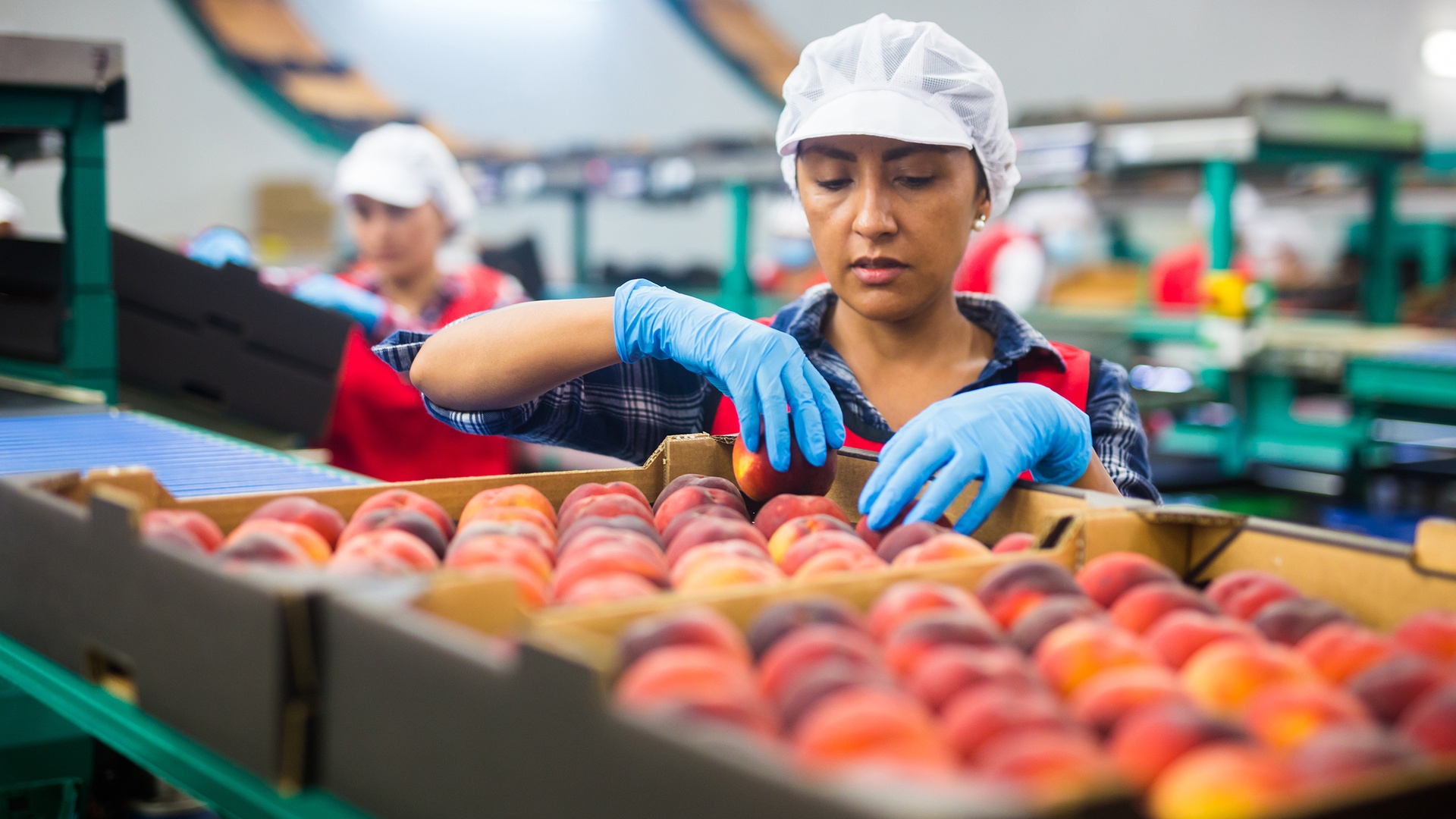
Food waste is a major issue, but it’s not just about what happens in our kitchens. A large portion of this waste comes from the manufacturing process itself. Thinking about how to reduce food waste in manufacturing processes is a smart move for both the planet and your business’s bottom line. So, what steps can companies take to trim down their waste?
This isn’t about massive, complicated overhauls. Instead, small, consistent changes can create a big impact. Let’s explore practical strategies to make your facility more efficient and sustainable.
Fine-Tune Your Production Line
One of the first places to look for waste is the production line itself. Inefficient equipment or poorly calibrated machines can damage products, which renders them unsellable. Regular maintenance and equipment upgrades are great preventative measures. Additionally, training your team to spot and correct minor issues before they become major problems helps keep operations running smoothly and reduces spoilage.
Optimize Your Inventory Management
A “first-in, first-out” (FIFO) approach is a foundational principle for a reason. Using older ingredients before newer ones prevents materials from expiring on the shelves. On a related note, sophisticated inventory management systems can track stock levels with precision, which helps you order only what you need. This prevents over-ordering and the subsequent waste that comes from surplus ingredients.
Transform Waste into Something Valuable
What if your “waste” wasn’t waste at all? Many manufacturers are finding creative ways to upcycle or repurpose byproducts. For example, fruit and vegetable peels can be turned into animal feed, compost, or even extracts for other products. This approach not only reduces what ends up in landfills but can also open new revenue streams. It’s a win-win for sustainability and your finances.
Enhance Your Preservation Methods
Improving how you store and package goods is another effective strategy. Using advanced packaging technology can maximize shelf life in food manufacturing, giving products a longer window to be sold and consumed. Similarly, refining temperature controls in storage facilities and during transport protects products from spoiling before they even reach the retailer.
A More Sustainable Future
Figuring out how to reduce food waste in manufacturing processes comes down to a commitment to efficiency, some creativity, and supporting innovation. By taking a closer look at production, inventory, and preservation, your company can make meaningful strides toward a more sustainable operation. It’s a journey that benefits everyone, from the producer to the consumer, and helps build a more eco-friendly food system for future generations to come.