


How To Prevent Chemical Spills in Storage Facilities
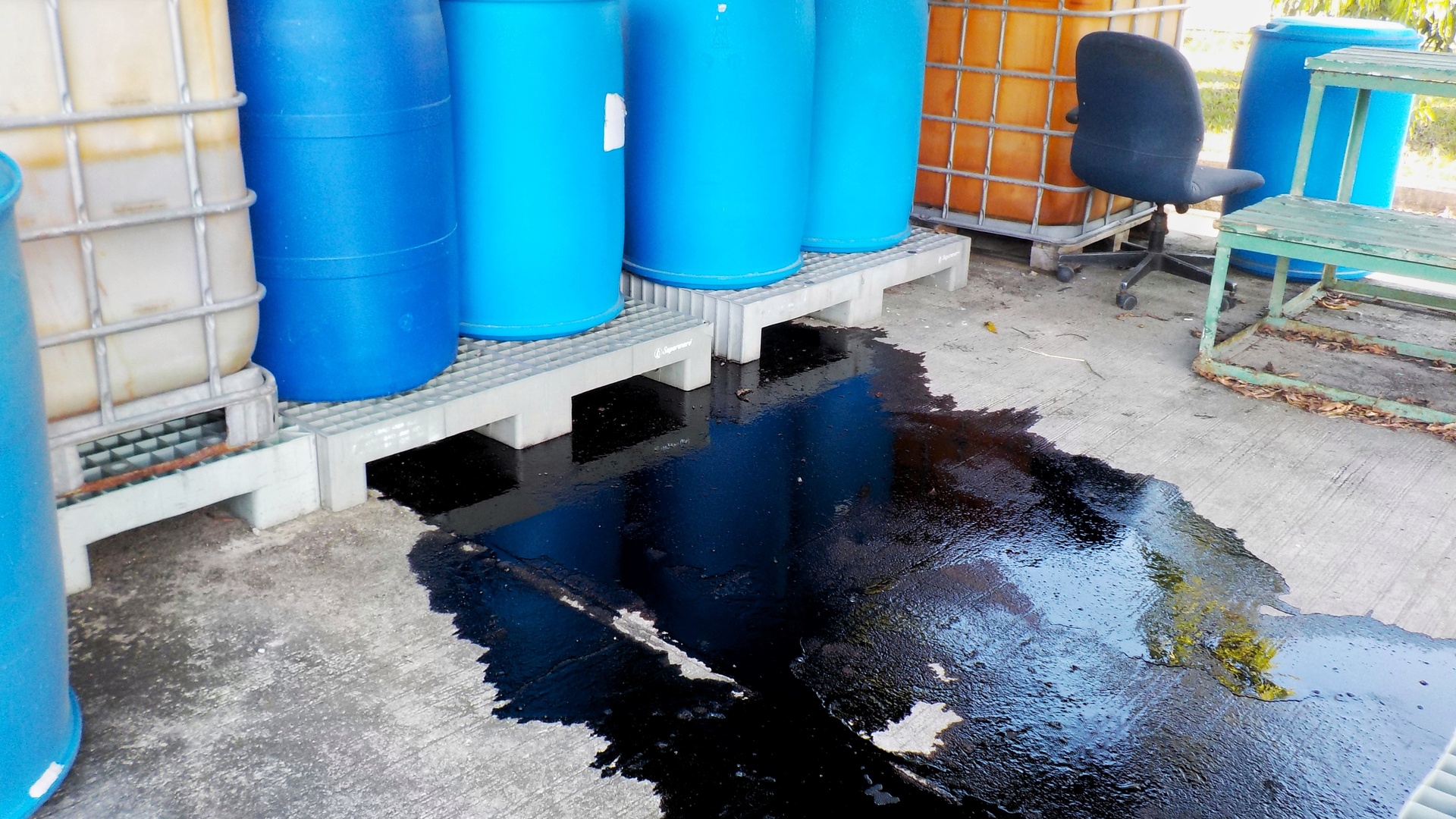
Chemical spills can turn a routine workday into a disaster. Even minor spills can lead to environmental damage, regulatory fines, and serious safety risks for manufacturing plants and other businesses that handle hazardous materials. With the right strategies, managers can keep workers safe and save thousands in cleanup fees. These four proven methods will help you prevent chemical spills in storage facilities and keep your operations running smoothly.
Employee Training and Awareness
Your team is your first line of defense against chemical spills. Ensure all employees handling chemicals understand proper storage procedures, emergency response protocols, and how to identify potential hazards. Regular refresher training keeps safety top-of-mind and helps workers spot problems early. When everyone knows what to look for and how to respond, it’s easy to avoid most major hazards.
Regular Equipment Inspections and Maintenance
Your storage equipment won’t last long without proper care. Inspect tanks, pipes, valves, and containers regularly to catch small problems before they cause major leaks. Look for signs of corrosion, cracks, or loose fittings. The vast majority of chemical spills happen from equipment failure, which you could prevent through regular maintenance.
Proper Storage and Segregation
Smart storage starts with understanding what goes where. Keep incompatible chemicals apart; mixing acids, bases, or flammables can trigger dangerous reactions in seconds. Use dedicated storage areas for different chemical classes, and ensure adequate spacing between containers. Add secondary containment, such as berms or pallets, so if one container fails, the spill stays contained.
Spill Prevention Measures
Install leak detection systems that alert you to problems immediately, and ensure all storage areas have proper ventilation to prevent vapor buildup. Following intermediate bulk container regulations is crucial for businesses using IBCs, as these guidelines help prevent container failures and spills. For example, a simple drip pan under a drum can stop a small leak from spreading across your entire warehouse floor.
Implementing these four strategies will significantly reduce your risk of chemical incidents. The cost of prevention is always less than the cost of cleanup and regulatory penalties. Take action today to prevent chemical spills in storage facilities and protect your business, your employees, and the environment.