


How To Prepare Your Heating System for Winter
As the days grow shorter and temperatures drop, ensuring your home remains a cozy sanctuary becomes a top priority. A failing furnace or an inefficient heater can lead to uncomfortable nights and skyrocketing energy bills. Understanding how to prepare your heating system for winter is crucial for maintaining comfort and safety throughout the coldest months of the year. By taking proactive steps now, you can avoid emergency repairs later.
Schedule a Professional Inspection and Tune-up
The most effective way to ensure your system is ready for the heavy workload ahead is to call in an expert. A professional technician can fully clean the unit, check the heat exchanger for cracks, and ensure all electrical components are functioning correctly. This preventative maintenance catches minor issues before they turn into expensive breakdowns in the middle of a freeze.
Change the Air Filter
A dirty or blocked air filter limits airflow, making your system work harder than it should to distribute warm air. This increases energy consumption and can overheat the furnace. Replace your filter at the start of the season and check it monthly to maintain optimal efficiency and indoor air quality.
Check and Seal Ducts
Leaky ductwork is a major source of energy loss in many homes. When getting your home ready for colder seasons, inspect exposed ducts in attics or basements for any visible gaps or disconnected sections. Sealing these leaks with metal tape or mastic sealant ensures that the heated air reaches your living spaces rather than escaping into uninsulated areas.
Insulate Pipes
Frozen pipes are a homeowner's nightmare, often leading to bursts and significant water damage. To prevent this, wrap any exposed heating pipes in unheated areas with foam insulation sleeves. This simple step keeps the water flowing freely and reduces heat loss as hot water travels from your boiler to your radiators.
Test Your Thermostat
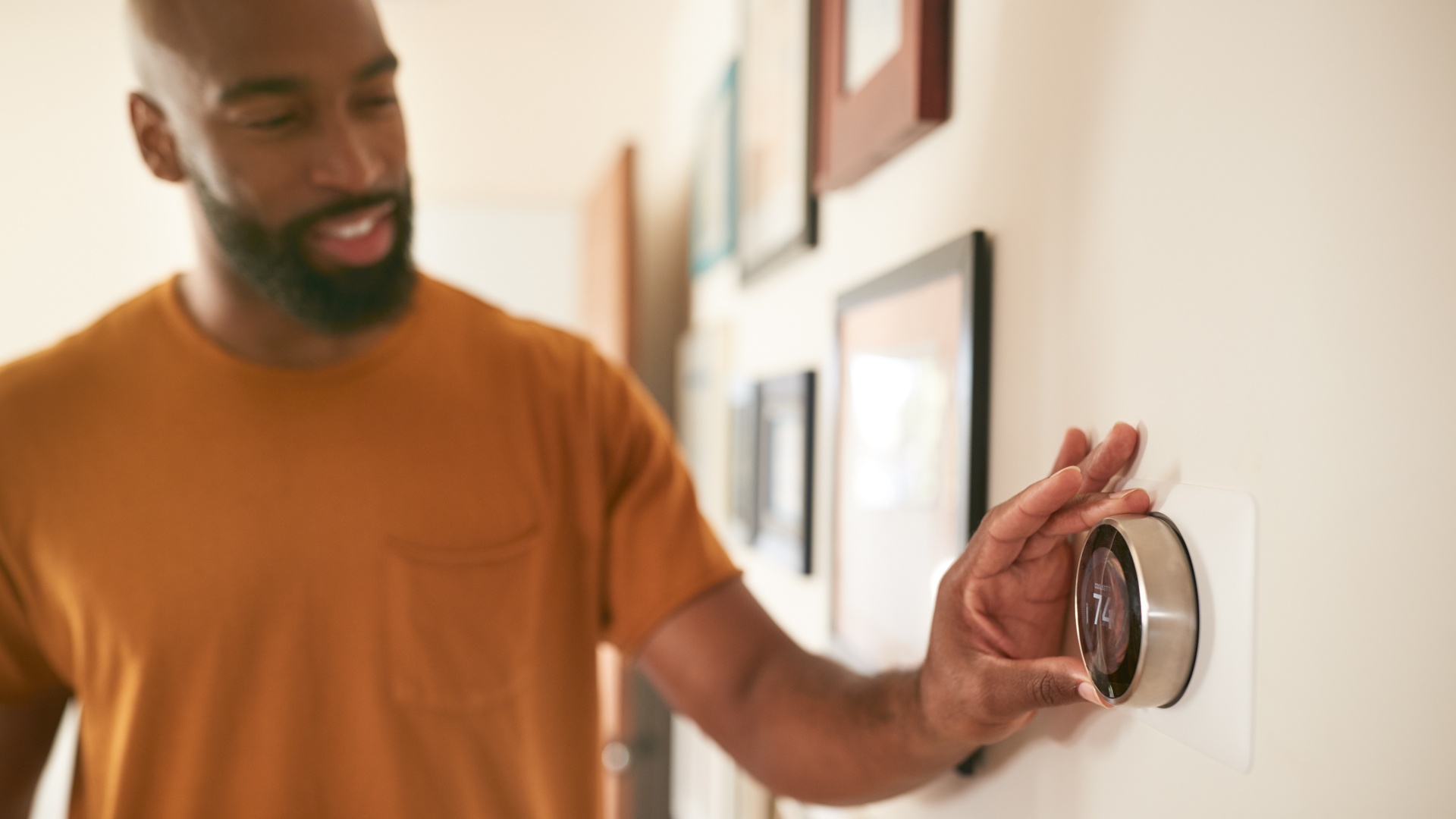
Before the cold truly sets in, switch your thermostat to heat mode to verify it triggers the furnace properly. If you have a battery-operated unit, replace the batteries now to prevent failures. Consider upgrading to a programmable thermostat, which can automatically lower the temperature when you are away or asleep, saving you money without sacrificing comfort.
Knowing how to prepare your heating system for winter offers peace of mind when the snow starts to fall. By following these simple maintenance tasks, you ensure your equipment runs efficiently and reliably all season long.