


How to Prepare Your Deck for Cold Weather
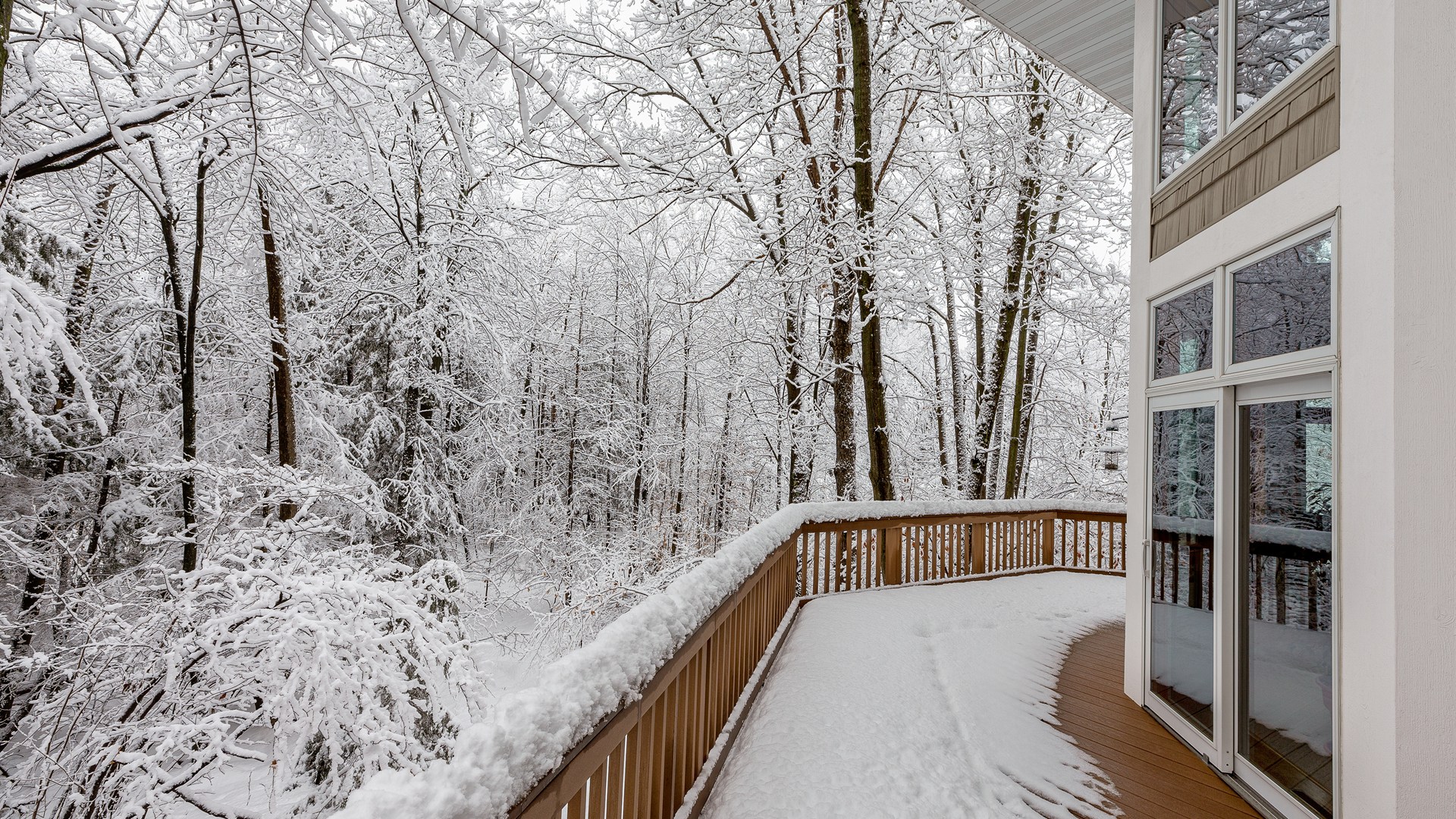
Your deck has probably seen its fair share of activity over the warmer months. As autumn comes to an end, it's time to give your outdoor space a little extra care before winter weather settles in.
Between freezing temperatures and seasonal precipitation, winter exposes deck materials to different conditions than they experience during summer. Fortunately, you can complete much of your seasonal maintenance over a weekend. Here's how to prepare your deck for cold weather and keep it in good condition until spring.
Remove Organic Debris
Fallen leaves tend to accumulate between deck boards and along the base of railings. Although they look relatively harmless, wet leaves retain moisture against the decking surface for extended periods. On wooden decks, this creates conditions that encourage fungal growth.
A broom with moderately firm bristles works well for loose debris. For leaves lodged between boards, a narrow plastic tool lets you remove the material without scratching the surrounding surface. Check beneath outdoor furniture, too, since these areas collect organic debris that isn't immediately visible during routine cleanup.
Wash the Deck Surface
Even after you sweep your deck, a thin layer of dirt remains on the surface. Autumn is an excellent time to wash away the residue that accumulated throughout the summer.
Choose a deck cleaner compatible with your decking material and use a soft-bristled brush to loosen stubborn grime. Work in small sections so you have time to rinse the cleaning solution before it dries.
Ideally, complete this task during a stretch of mild weather. Your deck needs adequate time to dry before overnight temperatures reach freezing.
Replace Damaged Deck Boards
Wooden deck boards expand as they absorb moisture and contract as they dry. Over time, these dimensional changes contribute to splits that deepen with repeated exposure to seasonal weather.
Before winter arrives, examine the condition of each board. Deep cracks or sections of deteriorated wood deserve replacement before freezing temperatures introduce additional stress.
Replacement lumber should match the dimensions of your existing decking. Once you've secured the new boards, check that their surfaces sit flush with adjacent ones. An even deck surface makes outdoor travel more pleasant throughout the colder months.
Secure Loose Railings
Your deck railings become especially useful during winter when frost makes outdoor surfaces slippery. A secure handrail gives you something stable to hold whenever you use the stairs.
Gently test each railing post for movement and examine its attachment to the deck structure. Loose hardware sometimes needs a simple adjustment, while deteriorated connections require replacement components.
The handrail itself should remain firmly attached to its brackets or posts. Give it a gentle test once you've completed any repairs so you know it's ready for regular use throughout winter.
Apply a Protective Wood Sealer
A quality exterior wood sealer limits the amount of moisture that penetrates wooden decking. This protection is beneficial during winter because absorbed water expands when it freezes, placing pressure on the surrounding wood fibers.
Your deck should be completely dry before you apply a fresh coat. A mild afternoon with several days of dry weather ahead gives the finish time to cure properly.
If you'd like to preserve the natural color of your lumber, a transparent exterior sealer is an option. Pigmented finishes provide an alternative for homeowners who prefer a richer wood tone.
Store Your Outdoor Furniture
Seasonal furniture storage preserves both your furnishings and the deck beneath them. Outdoor furniture left in one position throughout winter creates sheltered pockets where moisture takes longer to evaporate.
A garage or storage shed gives your patio set protection from seasonal precipitation. With the furniture out of the way, you'll have full access to your deck whenever you need to remove snow.
For larger pieces that remain outdoors, breathable furniture covers provide protection while permitting air circulation. Elevate furniture legs with suitable outdoor furniture risers to create additional space beneath them.
Add a Screened-In Porch
If you'd like to spend more time outside during the cooler months, a screened-in porch is an upgrade to explore. A covered structure provides shelter from overhead precipitation and gives you a dedicated outdoor area for crisp autumn afternoons.
When designing a screened-in porch for an existing deck, the deck's structural capacity is an important aspect of the project. The existing framework must accommodate the additional weight of the enclosure and its roof.
Removable winter panels provide further protection from cold drafts within the screened area.
Improve Deck Drainage
Water needs an unobstructed route away from your deck. The small gaps between traditional deck boards permit rainwater and melted snow to drain through the surface.
Once you've removed seasonal debris, examine these gaps for compacted material that restricts water passage. A thin plastic scraper is useful for stubborn buildup.
The area beneath an elevated deck should drain freely as well. During an autumn rainstorm, observe where water collects underneath the structure. Minor adjustments to the surrounding soil's slope encourage runoff to travel away from the deck's foundation.
Install Additional Deck Lights
Winter brings shorter daylight hours, so you may find yourself using your deck after sunset more frequently. Exterior deck lights improve visibility when you need to venture outdoors.
Recessed stair riser lights illuminate individual treads from above the surface of each lower stair. Their position makes the change in elevation easier to identify without bright overhead illumination.
If your deck already has adequate light fixtures, give their lenses a quick wash before winter. Dust and outdoor residue accumulate on these surfaces over summer and diminish the amount of light that reaches the decking.
Select Snow Removal Supplies
The tools you use to remove snow have a lasting effect on the appearance of your decking. Plastic snow shovels with smooth edges are gentler on deck surfaces than shovels with metal cutting edges.
When you shovel, move parallel to the length of the boards. This direction permits the shovel to glide along the decking with fewer encounters with raised board edges.
Keep your snow removal supplies somewhere accessible from inside your home. You'll appreciate the convenience when the first snowfall arrives and you're ready to make a path across your outdoor space.
Get Your Deck Ready for the Season Ahead
There's something satisfying about finishing your outdoor maintenance before the first snowfall. You'll have the freedom to enjoy those occasional sunny winter afternoons outside, even if they call for a heavier coat than you'd wear in October.
Set aside some time while the weather's still pleasant to prepare your deck for cold weather. Your outdoor space is an extension of your home throughout the year, and a little seasonal care will keep it ready for whenever you'd like to use it.