


How To Prepare Your Boating Gear for Seasonal Changes
Seasonal transitions bring shifting weather patterns, temperature swings, and changing water conditions that demand attention from boat owners. Whether you're gearing up for warmer months or winterizing for the off-season, taking proactive steps protects your investment and keeps you ready for the water.
Prepare your boating gear for seasonal changes by following these straightforward strategies that cover everything from storage to maintenance.
Inspect and Clean All Equipment
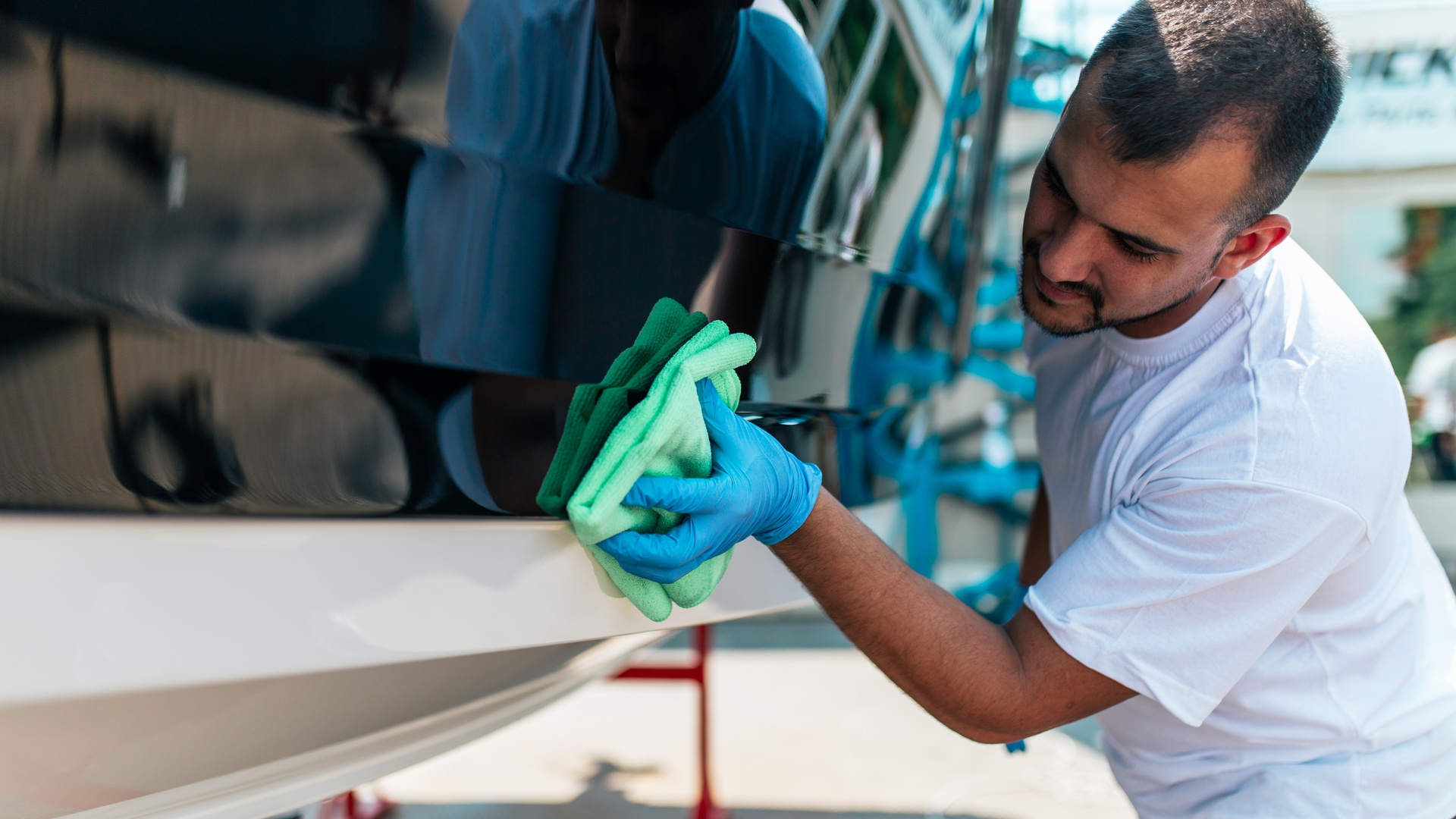
Dirt, grime, and salt buildup accumulate on your boat throughout the season. Before putting your gear away or bringing it back out, give everything a thorough cleaning. Wash down the hull, deck, and all surfaces with marine-safe soap and water. Rinse thoroughly to remove any residue that could cause corrosion or long-term damage.
Check life jackets, ropes, and other soft goods for signs of wear. Look for frayed edges, broken zippers, or fading that might compromise safety. Replace anything that looks questionable. A clean inspection reveals potential problems before they become serious issues.
Check Your Battery and Charging Systems
Cold weather drains batteries faster, while heat accelerates chemical reactions that degrade cells. Test your battery voltage with a multimeter and examine connections for corrosion or looseness. Clean terminals with a wire brush and apply anti-corrosion spray to protect against moisture.
If you own an electric outboard motor, ensure it charges properly by using the correct charger for your battery type and by monitoring charge levels before and after each cycle. Store batteries in a cool, dry place during the off-season and maintain a trickle charge to prevent deep discharge.
Service Your Motor and Fuel System
Outboard motors need seasonal maintenance to ensure optimal performance. Change the oil, replace filters, and flush the cooling system with fresh water to eliminate salt and debris. For gasoline engines, add fuel stabilizer to avoid ethanol-related problems during storage.
Briefly run the motor to circulate the stabilized fuel. If storing the boat for several months, drain the carburetor to prevent varnish buildup that can clog jets and make starting difficult. Lubricate moving parts as per the manufacturer's instructions and inspect spark plugs for wear.
Protect Your Boat From the Elements
Exposure to sun, rain, snow, and wind damages boats that are left uncovered. Use a high-quality boat cover or shrink wrap to protect your vessel from UV rays and weather conditions. Ensure the cover fits tightly and allows ventilation to prevent mold and mildew.
Whenever possible, store your boat in a garage or under a shelter. If outdoor storage is your only choice, place the boat on a slight incline to facilitate water drainage. Remove standing water from the bilge and cockpit to avoid freezing damage during cold weather.
Update Your Safety Equipment
Safety gear deteriorates over time, even when not in use. Check expiration dates on flares, fire extinguishers, and first aid supplies. Replace any items that have passed their recommended lifespan. Test lights and horns to confirm they function properly.
Review your boat's registration and insurance documents to confirm everything stays current. Seasonal changes often bring new boating regulations, so familiarize yourself with any updates that might affect your activities on the water.
Get Ready for Your Next Adventure
Taking time to prepare your boating gear for seasonal changes keeps your equipment in top condition and extends its lifespan. These maintenance steps prevent costly repairs and give you confidence when launching for your next outing. Proper care now means more time enjoying the water and less time dealing with unexpected breakdowns.