


How to Make Small Rooms Feel More Functional
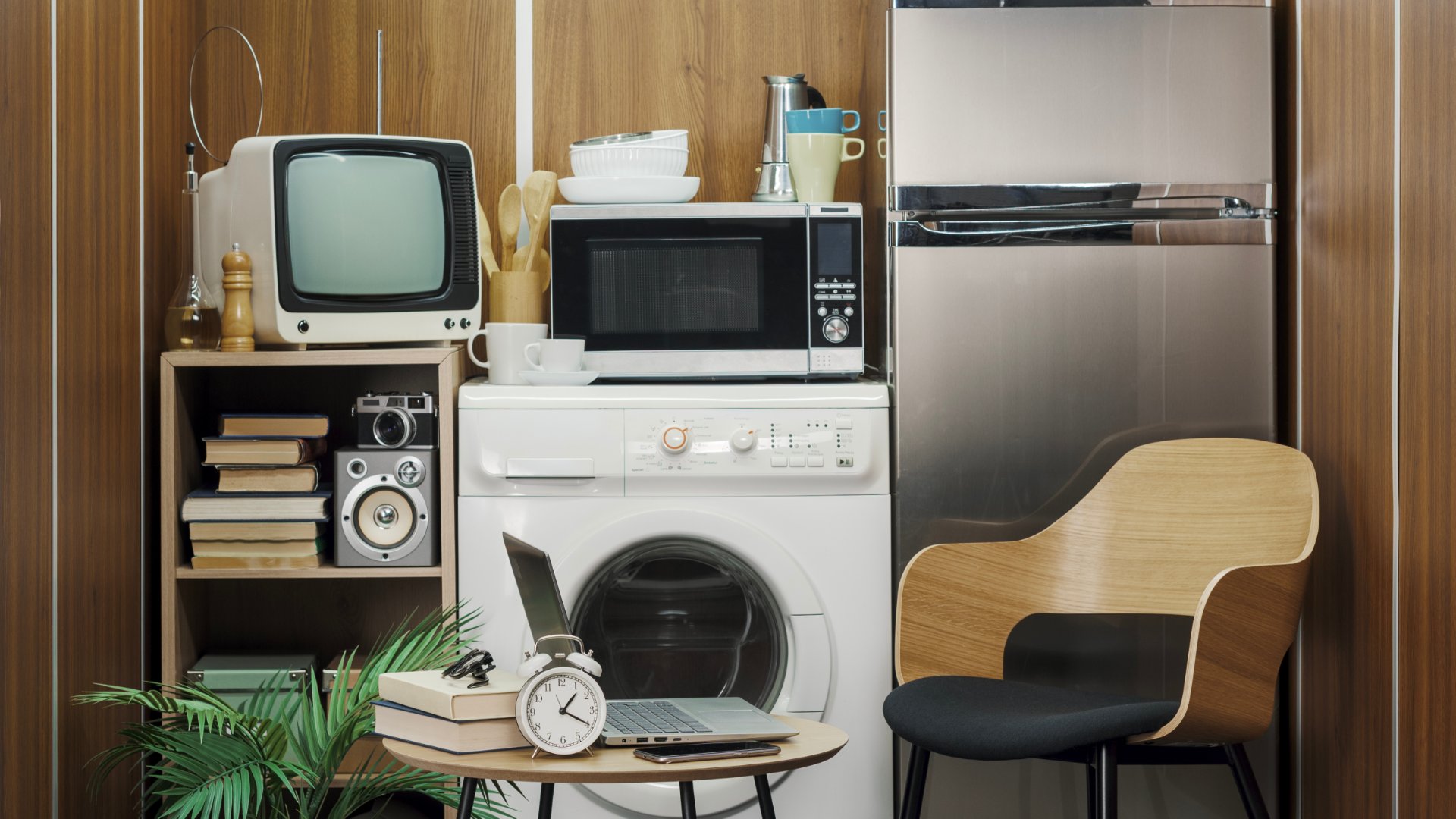
Living in a smaller home or apartment doesn't mean sacrificing comfort or style. Thoughtful planning and intentional design choices can transform even the most compact spaces into areas that support daily routines without feeling cramped. Whether you're working with a small bedroom, home office, living room, or studio apartment, maximizing functionality often comes down to making the most of every available inch.
Rather than focusing solely on square footage, it's more productive to consider how a room serves your needs. A well-organized small room can often outperform a much larger one that lacks purpose or efficient storage. How to make small rooms feel more functional starts with understanding how your space is used and identifying simple improvements that enhance both form and function.
Start With a Clear Purpose
One of the biggest reasons small rooms become cluttered is that they try to serve too many unrelated functions without a plan. Before rearranging furniture or purchasing storage solutions, define the room's primary purpose.
A guest bedroom that doubles as a home office, for example, should prioritize both productivity and comfort. A living room may need to function as a reading area, entertainment space, and homework station. Once you identify the primary activities that take place there, you can organize the room around those priorities.
Every piece of furniture and décor should support the room's intended use. Removing unnecessary items immediately creates more breathing room and makes the remaining furnishings feel intentional rather than crowded.
Think Vertically Instead of Horizontally
When floor space is limited, the walls become one of your greatest assets. Vertical storage helps keep frequently used items organized without consuming valuable walking space.
Floating shelves, tall bookcases, wall-mounted cabinets, and hanging organizers allow homeowners to store belongings while keeping surfaces clear. This approach works particularly well in kitchens, laundry rooms, garages, home offices, and children's bedrooms.
Choose Furniture That Serves Multiple Functions
Multifunctional furniture has become increasingly popular because it helps maximize utility without overcrowding smaller rooms.
Storage ottomans provide seating while hiding blankets or games. Beds with built-in drawers eliminate the need for bulky dressers. Fold-away desks create workspaces that disappear when no longer needed. Expandable dining tables accommodate guests while remaining compact during everyday use.
Selecting pieces that perform more than one job reduces the total number of furnishings needed, creating a room that feels larger and more open.
Instead of filling every available corner, leave enough open space for movement. Empty space is just as valuable as furniture because it prevents a room from feeling visually overwhelming.
Make Storage Easy to Access
Storage only improves functionality if it's convenient enough to use consistently.
Items used every day should remain within easy reach, while seasonal decorations, keepsakes, and infrequently used equipment can be stored higher up or in less accessible areas.
Creating designated homes for belongings also simplifies cleanup. When everything has a specific place, maintaining organization requires less effort.
This principle applies throughout the home. Entryways benefit from hooks and shoe storage, kitchens become easier to navigate with organized cabinets, and home offices feel more productive when supplies stay neatly arranged.
If you're considering flexible wall organization, ideas similar to those discussed in creating multipurpose zones with slatwall panels demonstrate how adaptable storage layouts can evolve alongside changing household needs.
Create Flexible Layouts
Small spaces often benefit from layouts that can adapt throughout the day.
Movable furniture allows rooms to change depending on current activities. Lightweight chairs, nesting tables, rolling carts, and portable storage units can be repositioned quickly without much effort.
This flexibility becomes especially valuable in homes where multiple family members share limited square footage.
Instead of permanently dedicating areas to one activity, consider arrangements that support work, relaxation, hobbies, or entertaining as needed.
The more adaptable the layout becomes, the more useful the room feels over time.
Use Hidden Storage Whenever Possible
One of the easiest ways to increase functionality is by utilizing overlooked storage opportunities.
Space beneath beds, sofas, benches, and staircases can often accommodate storage containers or built-in drawers. Furniture with concealed compartments keeps everyday necessities nearby while maintaining a tidy appearance.
Closets also benefit from organizational upgrades such as additional shelving, hanging organizers, drawer systems, and stackable bins.
Maximizing these hidden areas reduces reliance on extra cabinets or shelving units that consume valuable floor space.
Maintain Organization Through Simple Habits
No organizational system remains effective without regular maintenance.
Spending just a few minutes each day returning items to their designated locations prevents clutter from accumulating. Small routines are generally easier to maintain than large-scale cleaning sessions.
Periodically reassessing storage also helps ensure the room continues supporting your lifestyle. As hobbies, careers, or family needs change, reorganizing spaces keeps them functional rather than allowing outdated layouts to become inconvenient.
Small adjustments made consistently often have a greater long-term impact than major redesigns completed only once.
Design With Long-Term Flexibility in Mind
Homes naturally evolve over time. Children grow older, careers shift, hobbies change, and new technology becomes part of everyday life.
Instead of designing rooms around current needs alone, choose storage systems, furniture, and layouts that can adapt as circumstances change.
Modular shelving, adjustable storage, movable furnishings, and flexible organization strategies allow homeowners to modify spaces without requiring expensive renovations.
Thinking ahead also helps reduce future clutter because the room remains capable of accommodating new belongings without becoming disorganized.
Make the Most of Your Space
Creating a more functional small room isn't about fitting as much furniture as possible into a limited area. It's about making thoughtful choices that support everyday activities while maintaining comfort, organization, and flexibility. Careful planning, smart storage, adaptable furniture, and intentional layouts work together to help every square foot perform its best.
When homeowners focus on efficiency instead of simply adding more storage, they often find their spaces become easier to use, easier to maintain, and far more enjoyable to spend time in. By applying these practical strategies, making compact spaces more practical and efficient becomes an achievable goal that improves both daily living and long-term organization.