


How To Maintain Safe Heavy Machinery Operations
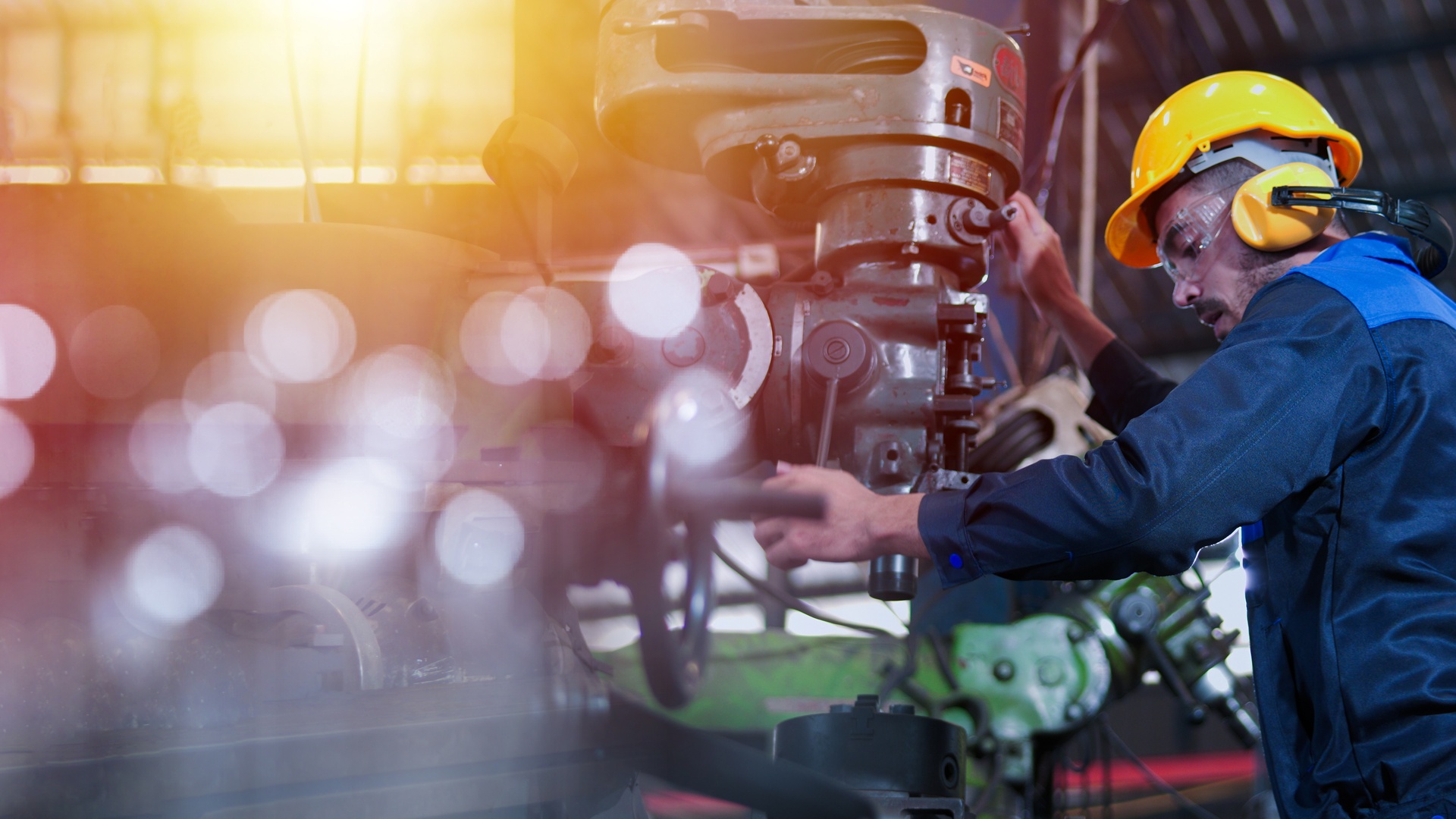
Heavy machinery is a crucial component of industrial workplaces, but it must be operated safely to prevent injuries and fatalities. Fortunately, most incidents can be prevented with the right safety protocols and consistent maintenance practices.
Regardless of the equipment you’re operating, you must know how to maintain safe heavy machinery operations. This guide covers the critical practices every operations manager and equipment operator should follow.
Pre-Operation Safety Inspections
Before operating heavy machinery, conduct a thorough pre-operation inspection. This critical step can identify potential hazards before they become dangerous. Depending on the machinery, there are several components you should check daily. Some of the most important are the hydraulic system, brakes, safety devices, and warning lights/alarms. Never operate machinery that has known defects, even minor ones, as they can endanger everyone in the facility.
Maintenance and Equipment Care
Preventive maintenance reduces equipment failures that can lead to serious accidents. Establish a maintenance schedule based on the manufacturer’s recommendations and the operating conditions.
If equipment needs constant replacement, that’s indicative that it’s time for a replacement. Faulty parts can lead to accidents, which is why it’s important to source quality gear reducers and other components for your facility.
Operator Training and Certification
Proper training forms the foundation of safe heavy machinery operation. All operators should complete comprehensive training that covers equipment-specific operational procedures, adequate startup and shutdown sequences, and emergency procedures.
Besides the skills required to operate machinery, operators also require safety awareness. Recognizing and assessing hazards can keep teams safe during operations. Regular refresher training keeps skills sharp and introduces operators to new safety technologies or updated procedures.
Worksite Safety Protocols
Establishing clear communication standards for verbal and electronic communications systems ensures that all equipment operators understand what is being said during work. Additionally, mark exclusion zones around operating equipment with barriers, cones, or flagging. Establish walkways and safe areas where workers can move without entering equipment operating zones.
Your Next Steps for Safer Operations
Maintaining safe heavy machinery operations requires commitment from management and cooperation from all workers. Remember, operations aren’t just about compliance; they’re about protecting the people who make your business successful so your operations can continue running smoothly for years to come.