


How To Maintain Optimal Conditions in Your Grow Tent
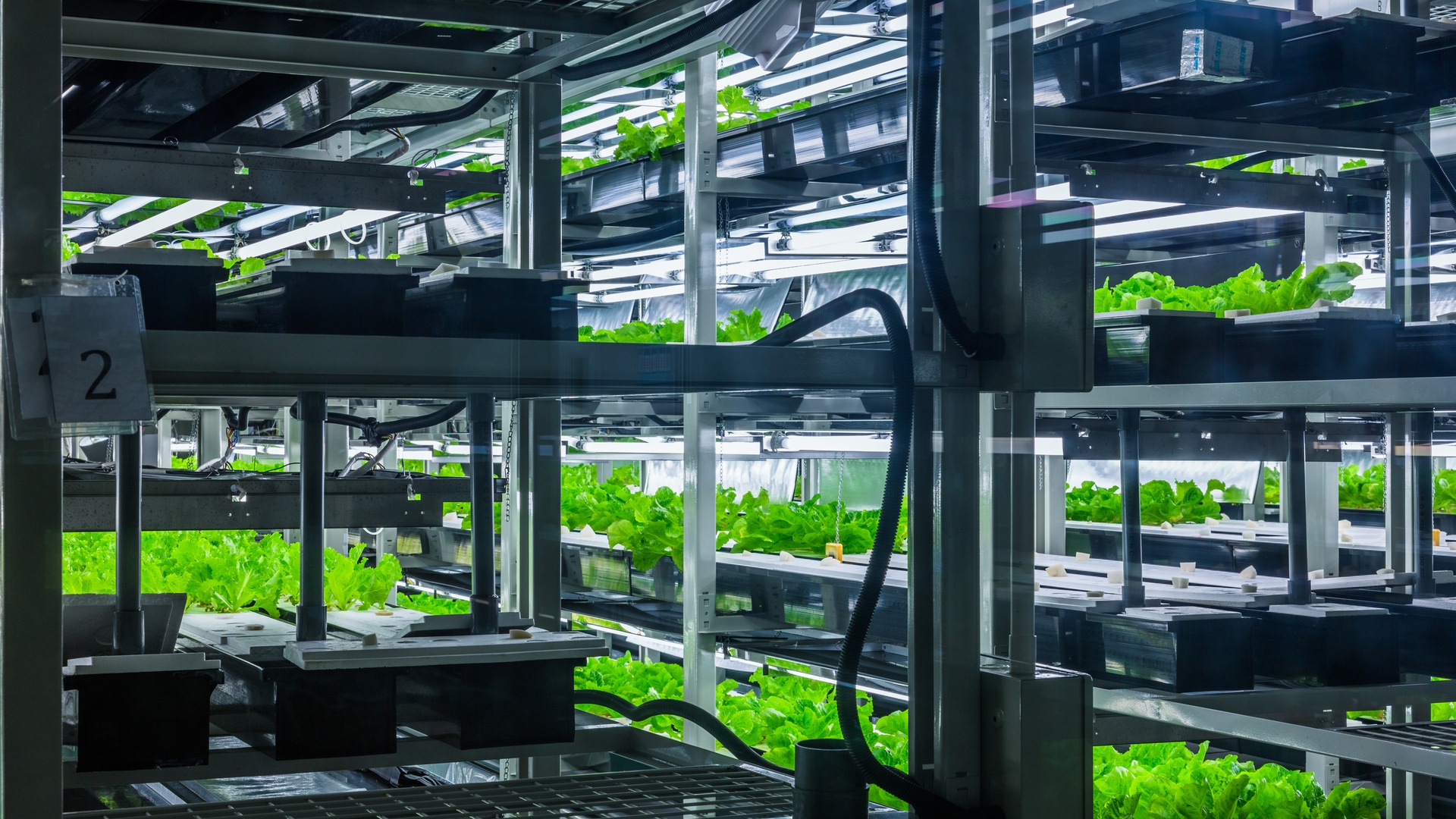
Creating a controlled environment with a grow tent is one of the best ways to ensure your plants thrive. However, simply having the tent isn't enough; you must actively manage the conditions inside it. Knowing how to maintain optimal conditions in your grow tent can mean the difference between a thriving harvest and a disappointing yield. This guide will walk you through the four most critical elements to monitor for a successful indoor garden.
Regulate Temperature
Temperature plays a crucial role in your plants' metabolic processes. Most plants flourish in temperatures between 70-85°F (21-29°C) when the lights are on, and slightly cooler, around 60-70°F (15-21°C), when they are off. To manage this, install a thermometer to monitor the environment consistently. If temperatures climb too high, use exhaust fans to remove hot air. Conversely, if it gets too cold, consider adding a small, safe heating mat or heater inside the tent. Maintaining this balance prevents stress and encourages vigorous growth.
Control Humidity
Proper humidity levels are essential for healthy plant development, and the ideal range changes as your plants mature. Seedlings and clones require higher humidity, typically between 60-70%, to encourage root development. During the vegetative stage, you can lower this to 40-60%. In the flowering stage, it's best to keep humidity at a lower 40-50% to prevent mold and mildew. A hygrometer will help you track these levels. If humidity is too low, a small humidifier can add moisture to the air. If it's too high, an exhaust fan or a dehumidifier will help reduce it.
Perfect Your Lighting
Lighting is arguably the most critical factor for photosynthesis. The needs of your plants will vary depending on their growth stage. Plants typically require about 18 hours of light per day during their vegetative growth stage. When they transition to the flowering stage, you should reduce this to a strict 12-hour cycle of light and 12 hours of uninterrupted darkness. Using a timer is the easiest way to automate your lighting schedule and ensure consistency. Position your lights at the correct distance from your plant canopy to avoid burning the leaves while still providing enough energy for robust growth.
Ensure Proper Ventilation
Good air circulation is vital for strengthening stems and preventing pests and diseases. Stagnant air can lead to a buildup of heat and humidity, creating a breeding ground for problems. This is why ventilation is so important in grow tents. Use an oscillating fan to create a gentle breeze that mimics natural outdoor conditions, and an exhaust fan to pull stale air out and draw fresh air in. Proper ventilation ensures a constant supply of CO₂ for your plants, which is essential for photosynthesis and overall health.
By focusing on these four key areas, you can create a stable and nurturing environment for your plants. Mastering how to maintain optimal conditions in your grow tent will reward you with healthier plants and more abundant harvests, turning your indoor gardening efforts into a resounding success.