


How To Improve Safety During Land-Clearing Projects
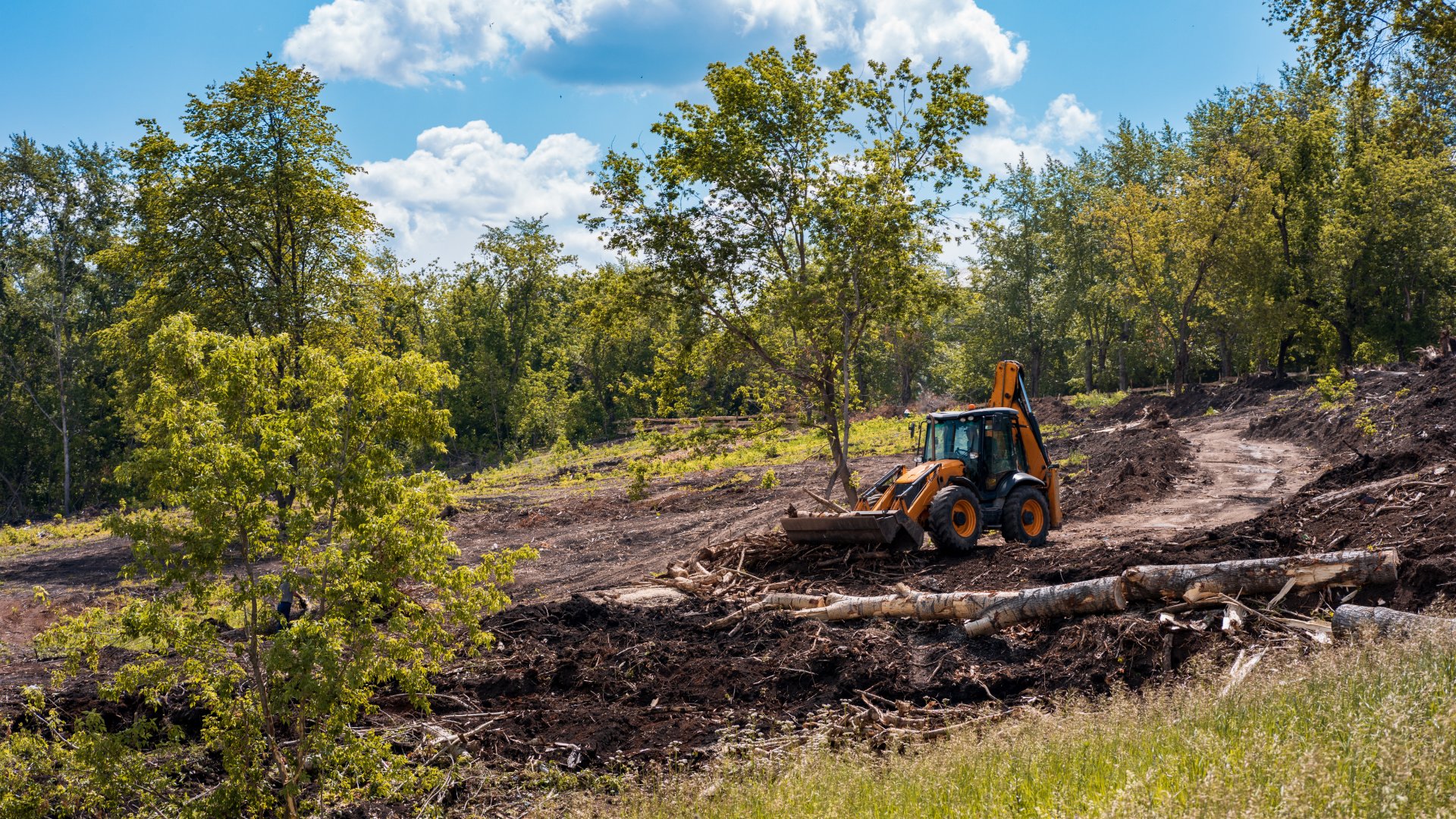
There’s something satisfying about turning an overgrown property into a clean, usable space. Whether you’re building a home, expanding a pasture, or reclaiming a backyard, land clearing makes a remarkable difference. But before the first tree comes down or the first stump gets removed, there’s something more important than making progress: keeping everyone safe.
Land clearing involves powerful machinery, unpredictable terrain, and hazards that aren’t always obvious. Even straightforward projects can become dangerous without proper preparation. Fortunately, improving land-clearing project safety doesn’t have to be complicated. It starts with thoughtful planning, suitable equipment, and a healthy respect for the unexpected.
Walk the Property Before Getting To Work
It’s tempting to fire up the equipment and get straight to work, especially when the weather is cooperating. However, a thorough property inspection should always come first. Walking the clearing area helps identify hazards like uneven ground, hidden holes, steep slopes, large rocks, and buried debris. Dead trees, unstable soil, nearby structures, and overhead power lines can also create dangerous conditions.
Underground utilities deserve special attention. Before digging or disturbing the ground, contact 811 or the appropriate utility notification service to arrange for utility lines to be marked.
It’s also worth checking property boundaries and identifying vegetation that should remain untouched. A little detective work before starting prevents expensive mistakes and serious injuries later.
Match the Equipment to the Job
Not every land-clearing project requires the same machinery. A small residential lot filled with brush may only need handheld tools and compact equipment, while heavily wooded properties might require specialized machines and experienced operators.
Common equipment includes chainsaws, brush cutters, skid steers, excavators, and stump grinders. Choosing the right machine isn’t simply about finishing faster; it’s about maintaining control throughout the process.
For example, a skid steer equipped with a stump grinder can remove remaining stumps after trees have been cut down. Proper operation involves understanding equipment compatibility and following safe skid steer stump grinding practices to reduce risks associated with flying debris, hidden obstacles, and uneven terrain.
Before operating machinery, inspect its condition, review its limitations, and ensure the operator has appropriate training. Remember, bigger equipment isn’t automatically better equipment. The safest choice is the one suited to the task.
Dress for the Job
Appropriate personal protective equipment (PPE) provides an important barrier against common hazards. Depending on the work being performed, protective gear may include:
- Hard hats
- Safety glasses or goggles
- Hearing protection
- Work gloves
- Sturdy work boots
- High-visibility clothing
Additional protection may be necessary for specific tasks. Chainsaw operators, for example, may need cut-resistant leg protection.
Clothing should fit securely without loose fabric that could become caught in moving parts. Protective equipment won’t eliminate every danger, but it provides an essential layer of defense.
Give Heavy Equipment Plenty of Room
Heavy machinery and crowded work areas are a dangerous combination. Excavators have wide swing areas, skid steers can change direction quickly, and grinders may throw debris considerable distances.
Establishing clearly marked work zones helps protect everyone nearby. Children, pets, visitors, and anyone not directly involved should remain outside the operating area. Always follow manufacturer-specified distances for bystanders. If multiple people are working together, clear communication is essential. Operators should never assume someone has moved out of the way simply because they were visible moments earlier.
When visibility is limited, stop the equipment and confirm the area is clear before continuing. Workers should also avoid approaching machinery until the operator acknowledges their presence and brings the equipment to a safe stop.
Keep an Eye on the Sky and the Ground
Weather can change working conditions surprisingly quickly. Rain can turn firm soil into slippery mud, while strong winds make tree cutting especially hazardous. Extreme heat increases the risk of dehydration, fatigue, and poor decision-making.
Before starting, check the forecast and consider how various conditions might affect the property. Pause operations when lightning, high winds, poor visibility, or unstable ground create unsafe conditions. During hot weather, provide drinking water, schedule breaks, and watch for signs of heat-related illness.
Dry conditions deserve attention, too. Machinery can generate heat and sparks that may ignite dry vegetation. Keep equipment free of combustible debris, observe applicable fire restrictions, and have appropriate fire-response equipment available. Sometimes, the smartest decision is to wait for better conditions.
Make Communication Part of the Plan
Even small crews benefit from a clear safety plan. Before work begins, everyone should understand their responsibilities, the equipment being used, and restricted areas.
Discuss emergency procedures, including who will contact emergency services and how responders can access the property. Keep a stocked first-aid kit nearby and ensure someone knows how to use it.
Machinery noise can make ordinary conversation difficult, so establish hand signals or another reliable communication method. When instructions are unclear, stop working until everyone understands the next step. A few minutes of preparation can prevent confusion when the project gets busy.
Finish Strong With a Thorough Cleanup
The final stage of land clearing deserves attention, too. Loose branches, exposed roots, sharp debris, and deep equipment tracks can create hazards long after the machinery has been parked.
Before finishing the project, inspect the property for leftover materials and unstable ground. Remove debris, address dangerous holes or ruts, and make sure drainage paths remain functional.
Avoid piling vegetation where it could block access routes or create fire hazards. Depending on the property’s intended use, additional grading or soil stabilization may also be necessary. A properly finished project should be safer and easier to maintain than the property was before clearing began.
A Safer Clearing Project Starts With Smarter Decisions
Land clearing can transform an underused property into something practical and enjoyable. But successful results aren’t measured only by how quickly the work gets finished; they’re also measured by how safely it’s completed.
Prioritizing land-clearing project safety means understanding the property, choosing suitable equipment, wearing appropriate protection, and knowing when professional assistance is necessary. With thoughtful preparation and attention to detail, property owners and contractors can make meaningful progress without risks. After all, the goal is to clear the land, not create new problems along the way.