


How To Improve Efficiency in Restaurant Food Prep & Storage
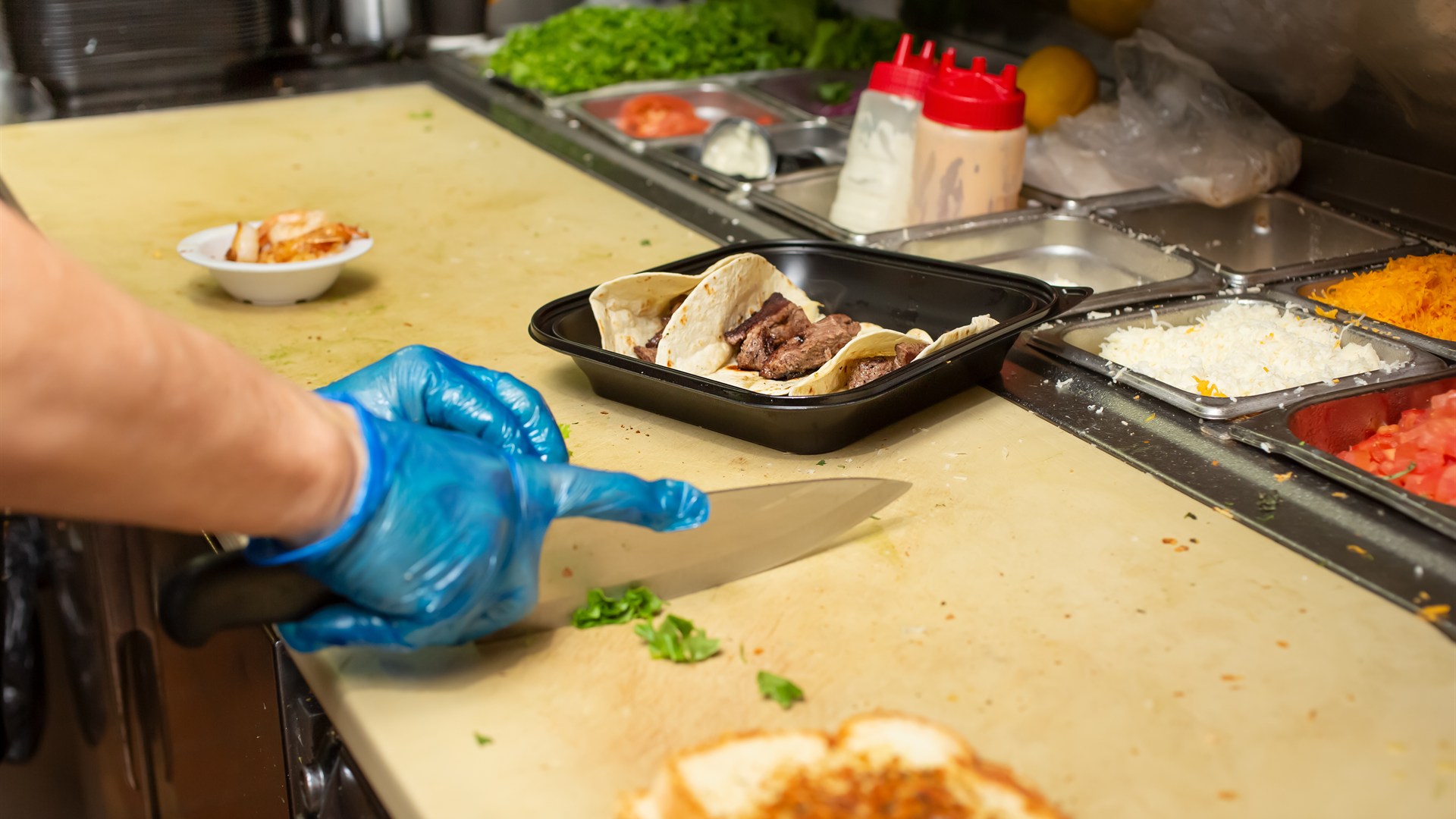
Running a busy restaurant kitchen requires careful coordination, especially when ingredients need to move quickly from storage to preparation stations and onto customers’ plates. When everything is organized, service runs smoothly, but poor planning can turn even a routine lunch rush into a stressful experience. Fortunately, improving kitchen operations doesn’t necessarily mean working faster or investing in expensive equipment.
Understanding how to improve efficiency in restaurant food prep and storage allows restaurant owners and kitchen teams to reduce waste, maintain food quality, and create a more productive working environment. With a few practical adjustments to daily routines, restaurants can make food preparation and storage more manageable without sacrificing freshness or safety.
Give Every Ingredient a Place To Call Home
An organized kitchen makes everyday tasks easier by reducing the time employees spend searching for ingredients, utensils, and equipment. When supplies have designated locations, staff members move between tasks more efficiently while keeping preparation areas clear.
Frequently used ingredients should be stored within easy reach, while backup supplies and specialty items can occupy less accessible spaces. Dry goods, refrigerated ingredients, frozen products, and daily preparation supplies should have clearly identified storage areas. Keeping raw meats separate from ready-to-eat foods is also essential for preventing cross-contamination.
Clear labeling and consistent storage arrangements allow employees to locate supplies quickly, even during busy service periods. A kitchen that follows the same organizational system every day is easier to manage and less likely to experience delays.
Make Prep Time Work Overtime
Preparing ingredients before service begins is one of the simplest ways to improve kitchen productivity. Professional kitchens often follow the concept of mise en place, a French culinary term meaning “everything in its place.” This approach involves gathering, measuring, chopping, and organizing ingredients before cooking begins.
Instead of preparing vegetables or portioning proteins for individual orders, kitchen teams can complete these tasks in appropriate quantities ahead of time. Sauces, dressings, and other frequently used components can also be prepared in advance when proper storage conditions are available.
However, preparation schedules should account for freshness, since some ingredients lose quality when handled too early. A daily prep checklist allows employees to prioritize tasks, monitor ingredient quantities, and assign responsibilities. Reviewing reservations and previous sales patterns can also help managers estimate how much food to prepare, reducing last-minute scrambling and waste.
Keep Food Fresh Without Playing Storage Games
Proper food storage involves more than finding enough space in refrigerators and freezers. Packaging materials, temperature control, labeling, and inventory rotation all contribute to preserving ingredient quality and maintaining an organized kitchen.
Different foods require different storage methods, making packaging selection an important part of daily operations. Understanding the differences between wrapping materials can help kitchen teams choose the right butcher paper and freezer paper for various food-handling and storage needs. Traditional butcher paper is commonly used for wrapping fresh meats, while freezer paper generally features a moisture-resistant coating designed to protect food during frozen storage. Regardless of the packaging material, proper refrigeration, safe handling, and appropriate freezer storage practices remain essential. Prepared and repackaged ingredients should also be labeled with identifying information, preparation dates, and applicable use-by or discard dates.
Restaurants can further improve organization by following the first-in, first-out (FIFO) inventory method, which prioritizes older usable stock before newer deliveries. This system reduces forgotten ingredients and spoilage, although food safety requirements and expiration dates must always take priority.
Stop Food Waste Before It Can Even Start
Food waste can gradually increase restaurant expenses, particularly when ingredients spoil before use or portions exceed what customers typically need. Tracking discarded food can help managers identify recurring problems and make better purchasing decisions.
For example, if vegetables frequently spoil before being prepared, the restaurant may need to adjust ordering quantities or incorporate those ingredients into additional menu items. Standardized recipes and consistent portion sizes also help control ingredient usage while ensuring customers receive dependable meals.
Designing menus around ingredients that appear in multiple dishes offers another opportunity to reduce waste. Roasted vegetables, for instance, might accompany a dinner entree while also appearing in a lunch bowl. This approach allows restaurants to use purchased ingredients more efficiently without sacrificing menu variety.
Let Technology Handle Some of the Heavy Lifting
Technology can simplify restaurant operations without requiring major renovations or complicated systems. Digital inventory tools, for example, allow managers to monitor ingredient quantities, review purchasing patterns, and identify supplies that need replenishing. Kitchen display systems improve communication between servers and cooks by organizing incoming orders, while temperature-monitoring equipment can help employees identify refrigeration problems before significant food loss occurs.
The most useful technology depends on the restaurant’s size, menu, and operational needs. A smaller establishment may benefit from a straightforward digital checklist, while a larger operation might require more comprehensive inventory management software. The goal is to select tools that reduce repetitive work rather than introduce complexity.
Give Your Kitchen Team a Winning Game Plan
An efficient kitchen depends on employees understanding their responsibilities and communicating effectively. Clear procedures, consistent training, and well-defined preparation schedules help teams maintain productivity during both quiet and busy periods.
Cross-training employees to work at multiple stations provides additional flexibility when unexpected rushes or staffing shortages occur. Brief meetings before service also give managers an opportunity to discuss menu changes, ingredient availability, and anticipated customer volume.
Employee feedback is equally valuable because staff members working directly at preparation stations often recognize opportunities for improvement. Something as simple as relocating frequently used equipment or rearranging a workspace may save considerable time throughout the day.
Make Cleanliness Part of the Routine
Maintaining a clean kitchen throughout service supports efficiency and food safety. Rather than allowing dishes, packaging, and equipment to accumulate, employees can incorporate cleaning into their regular preparation routines.
A clean-as-you-go approach includes returning equipment to designated locations, removing clutter, and cleaning and sanitizing food-contact surfaces as required. Proper sanitation is especially important when switching between raw ingredients and ready-to-eat foods. Keeping workstations orderly also makes spills, misplaced supplies, and potential hazards easier to identify before they disrupt operations.
Small Changes Make a Big Difference
Improving restaurant operations doesn’t require replacing every piece of equipment or completely redesigning the kitchen. Better organization, thoughtful preparation schedules, suitable packaging, consistent portions, and effective communication make everyday responsibilities easier to manage.
Ultimately, improving efficiency in restaurant food prep and storage means developing practical routines that help ingredients, equipment, and employees work together. When restaurants consistently refine these processes, they can reduce waste, maintain food quality, and create a smoother experience for employees and customers alike.