


How Historic Design Trends Continue to Shape Modern Homes
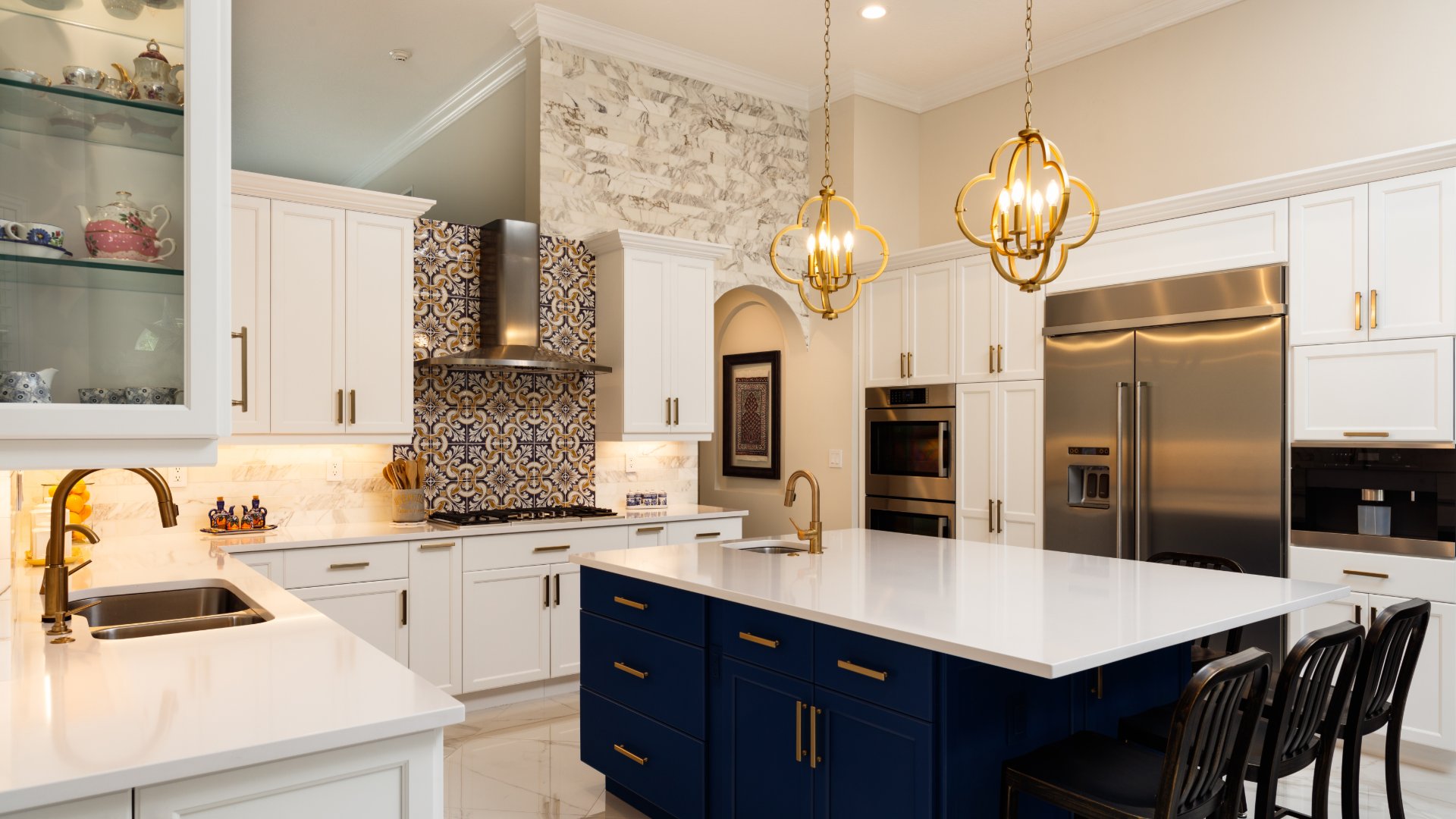
Home design is constantly evolving, yet many of the most popular styles today have roots that stretch back decades—or even centuries. While technology has changed the way homes are built and furnished, the inspiration behind many design choices remains firmly connected to the past. Homeowners increasingly seek spaces that feel authentic, comfortable, and unique rather than following every fleeting trend.
That desire has sparked renewed interest in traditional craftsmanship, natural materials, and architectural details with historical significance. Understanding how historic design trends continue to shape modern homes reveals why certain aesthetics never truly disappear. Instead, they adapt to changing lifestyles while preserving the character that made them enduring in the first place.
The Enduring Appeal of Traditional Architecture
Many modern homes borrow heavily from architectural styles that have stood the test of time. Craftsman homes continue to inspire builders with their exposed beams, tapered columns, and emphasis on handcrafted details. Colonial homes remain popular for their balanced symmetry and practical layouts. Farmhouse designs have evolved into modern interpretations while retaining welcoming porches, simple rooflines, and functional living spaces.
Rather than replicating these historic styles exactly, today's architects often reinterpret them with cleaner lines, larger windows, and more open floor plans. The result is a home that feels contemporary without abandoning the visual warmth and familiarity of classic architecture.
This balance allows homeowners to enjoy updated conveniences while maintaining a connection to traditional design principles.
Natural Materials Never Go Out of Style
One reason historical design continues influencing today's interiors is the lasting appeal of natural materials. Stone, wood, brick, plaster, and clay have been used for centuries because they are durable, beautiful, and versatile.
Modern manufacturing has introduced countless synthetic alternatives, but homeowners frequently return to authentic materials because they age gracefully and develop character over time. Hardwood flooring gains a rich patina. Natural stone develops subtle variations. Handmade finishes often become more attractive as they mature.
These materials also introduce texture into spaces that might otherwise feel overly polished or sterile. Even minimalist interiors benefit from the warmth and visual depth that natural surfaces provide.
Decorative Details Make Spaces Memorable
Historic homes rarely relied on plain finishes alone. Decorative molding, carved woodwork, stained glass, patterned flooring, and ornamental hardware all contributed to the personality of a home.
Today's homeowners often embrace a similar philosophy by incorporating distinctive details that create visual interest without overwhelming a room. Crown molding, custom millwork, exposed ceiling beams, vintage-inspired lighting, and decorative tile all help establish character.
One example is the renewed appreciation for patterned cement and encaustic-inspired flooring. The history behind these materials illustrates why they continue influencing contemporary interiors. The revival of encaustic tiles highlights how decorative flooring that once defined historic homes is finding new life in modern renovations while retaining its timeless appeal.
Rather than serving as a nostalgic recreation, these elements become part of a fresh, updated design that respects traditional craftsmanship.
Color Palettes Inspired by the Past
Color trends may change every few years, but many of today's most popular palettes originated long ago.
Earthy greens, muted blues, warm terracottas, rich creams, and soft neutrals have appeared throughout centuries of residential design. These colors remain popular because they complement natural materials and create comfortable living environments.
Historic color schemes often reflect regional climates, locally available pigments, and architectural traditions. Modern designers continue drawing from these palettes because they provide timeless sophistication rather than short-lived novelty.
Even contemporary homes frequently combine neutral walls with richer accent colors that echo historical interiors.
Craftsmanship Has Become More Valuable
Mass production transformed home construction during the twentieth century, making many products faster and less expensive to manufacture. However, many homeowners now value handcrafted details that stand apart from standardized building materials.
Custom cabinetry, hand-finished furniture, artisan lighting, forged hardware, and handcrafted tile all reflect an appreciation for skilled craftsmanship. This renewed focus isn't simply about luxury. It reflects a growing desire to invest in products that offer longevity, individuality, and lasting beauty.
Historic homes demonstrate the value of careful craftsmanship because many have remained functional and attractive for generations. That lesson continues influencing purchasing decisions today.
Traditional Layouts Meet Modern Living
Historic homes were often divided into many smaller rooms designed for specific purposes. Today's lifestyles generally favor open floor plans that encourage gathering and flexibility.
Rather than abandoning traditional layouts entirely, designers often combine the best aspects of both approaches.
Open kitchens may flow into living areas while still maintaining architectural definition through ceiling treatments, built-in shelving, archways, or decorative columns. Libraries become home offices. Formal dining rooms become multipurpose gathering spaces.
This thoughtful adaptation allows homeowners to enjoy modern functionality while preserving architectural character inspired by historic homes.
Vintage Pieces Add Depth to Contemporary Interiors
One of the easiest ways homeowners incorporate historical influences is through furnishings and décor.
Antique tables, vintage rugs, restored furniture, heirloom artwork, and classic lighting fixtures provide visual contrast against newer finishes. Rather than creating rooms that resemble museums, these carefully selected pieces introduce authenticity and personality.
Mixing old and new also creates interiors that feel collected over time instead of purchased all at once. Many designers recommend using one or two statement vintage pieces in each room to establish character while allowing newer furniture to provide comfort and functionality.
Personal Expression Over Temporary Trends
Social media constantly introduces new decorating styles, but many homeowners have grown weary of rapidly changing aesthetics. Instead of chasing every trend, they seek designs that reflect personal taste and remain attractive for decades.
Historic influences offer an ideal foundation because they provide proven design principles while allowing endless opportunities for customization. Whether incorporating vintage-inspired lighting, decorative flooring, handcrafted furniture, or traditional architectural details, homeowners can create spaces that feel both distinctive and enduring.
The result is a home that reflects individual personality rather than whatever style happens to dominate design magazines at the moment.
Looking Forward by Looking Back
The future of residential design will undoubtedly include new technologies, smarter homes, and innovative building techniques. Yet history will likely remain one of the strongest sources of inspiration.
Knowing how historic design trends continue to shape modern homes reminds us that timeless design is rarely about copying the past. Instead, it involves recognizing which ideas have endured for good reason and thoughtfully adapting them for modern life. By blending historical influences with contemporary functionality, homeowners create spaces that feel welcoming today while remaining beautiful for years to come.