


How To Extend the Lifespan of Your Welding Equipment
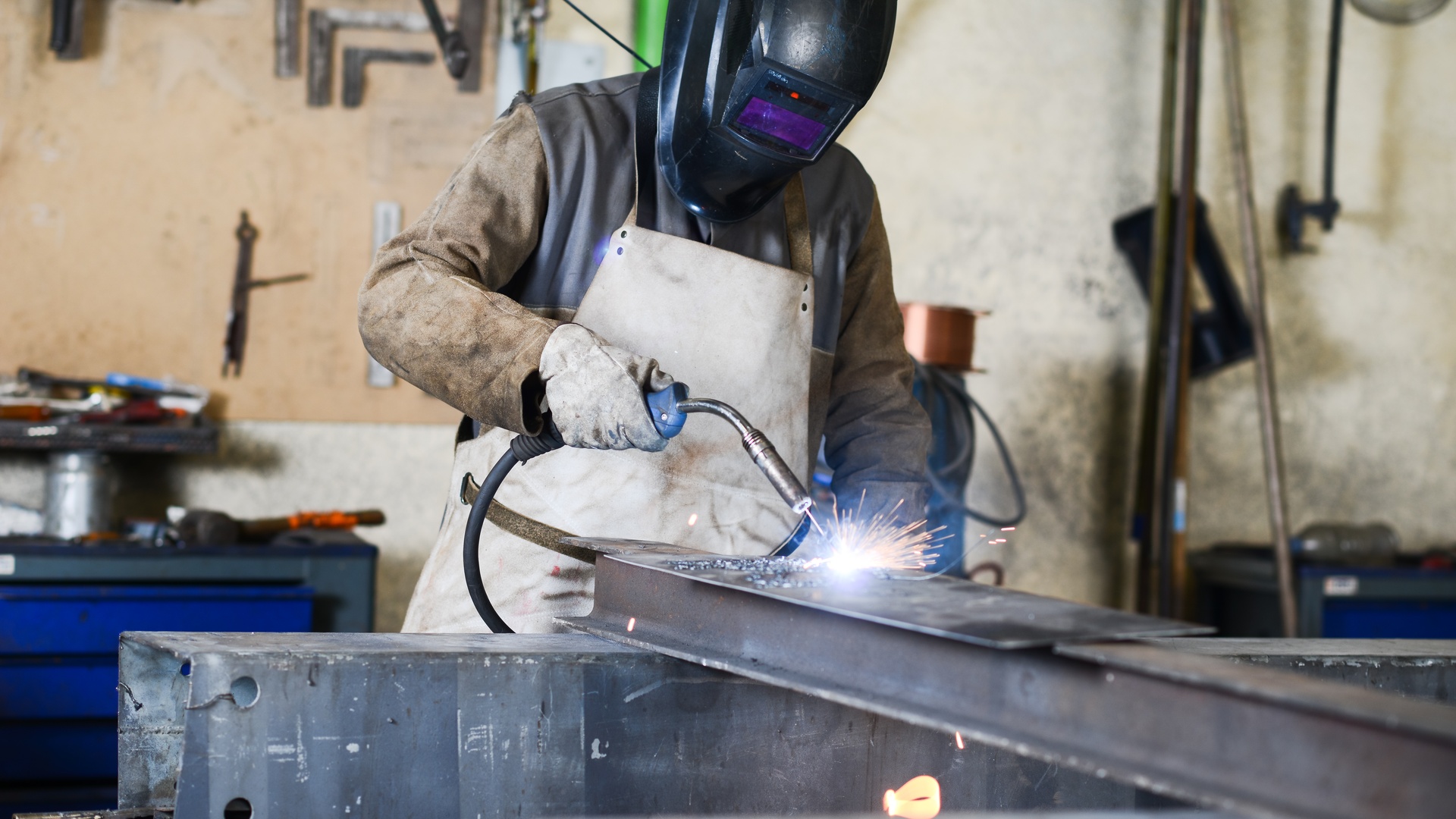
Welding equipment represents a significant investment for both professionals and hobbyists. Proper maintenance and care can dramatically increase the lifespan of your tools, saving you thousands of dollars in replacement costs while ensuring consistent performance on every project. This guide will outline four essential practices to keep your welding equipment running smoothly for years to come.
Clean Equipment Regularly
Dust, metal shavings, and welding residue can wreak havoc on your equipment’s internal components. Regular cleaning prevents these contaminants from building up and causing costly damage. After each welding session, use compressed air to blow out dust and debris from vents, cooling fans, and electrical components. Clean these components weekly with appropriate brushes and solvents designed for welding equipment.
Inspect Connections and Cables
Loose connections and damaged cables cause poor performance and safety hazards. Check all electrical connections monthly for signs of corrosion, looseness, or burning. If you find any loose connections, tighten them immediately to prevent dangerous arcing or equipment failure.
Be sure to check cables for cuts, kinks, or exposed wires, as these can cause shorts or even electrocution. Promptly replace any damaged cables rather than relying on temporary tape repairs. Extend their lifespan by properly coiling cables before storing them.
Follow Proper Usage Guidelines
Operating equipment within manufacturer specifications prevents premature failure and maintains warranty coverage. Never exceed the duty cycle ratings printed on your welder, as overheating can permanently damage internal components. Allow adequate cooling time between heavy welding sessions to prevent thermal stress.
Match your welding techniques to your equipment’s capabilities. Industrial welding techniques demand heavy-duty equipment, as light-duty tools can fail and wear out quickly in such applications.
Store Equipment Correctly
Environmental factors significantly impact equipment longevity. Store welding machines in clean, dry locations away from temperature extremes and corrosive chemicals. Moisture causes rust and electrical component failure, while extreme temperatures damage seals and electronic parts. Protect equipment from dust, moisture, and condensation by covering it and ensuring proper ventilation.
Implementing these maintenance practices will significantly extend your welding equipment’s operational lifespan while reducing unexpected downtime and repair costs. Regular attention to cleaning, inspection, proper usage, and storage creates a foundation for reliable equipment performance. Start incorporating these habits into your routine today to protect your investment and maintain the high-quality results your projects demand.