


How Drivers Can Stay Prepared for Emergencies on the Road
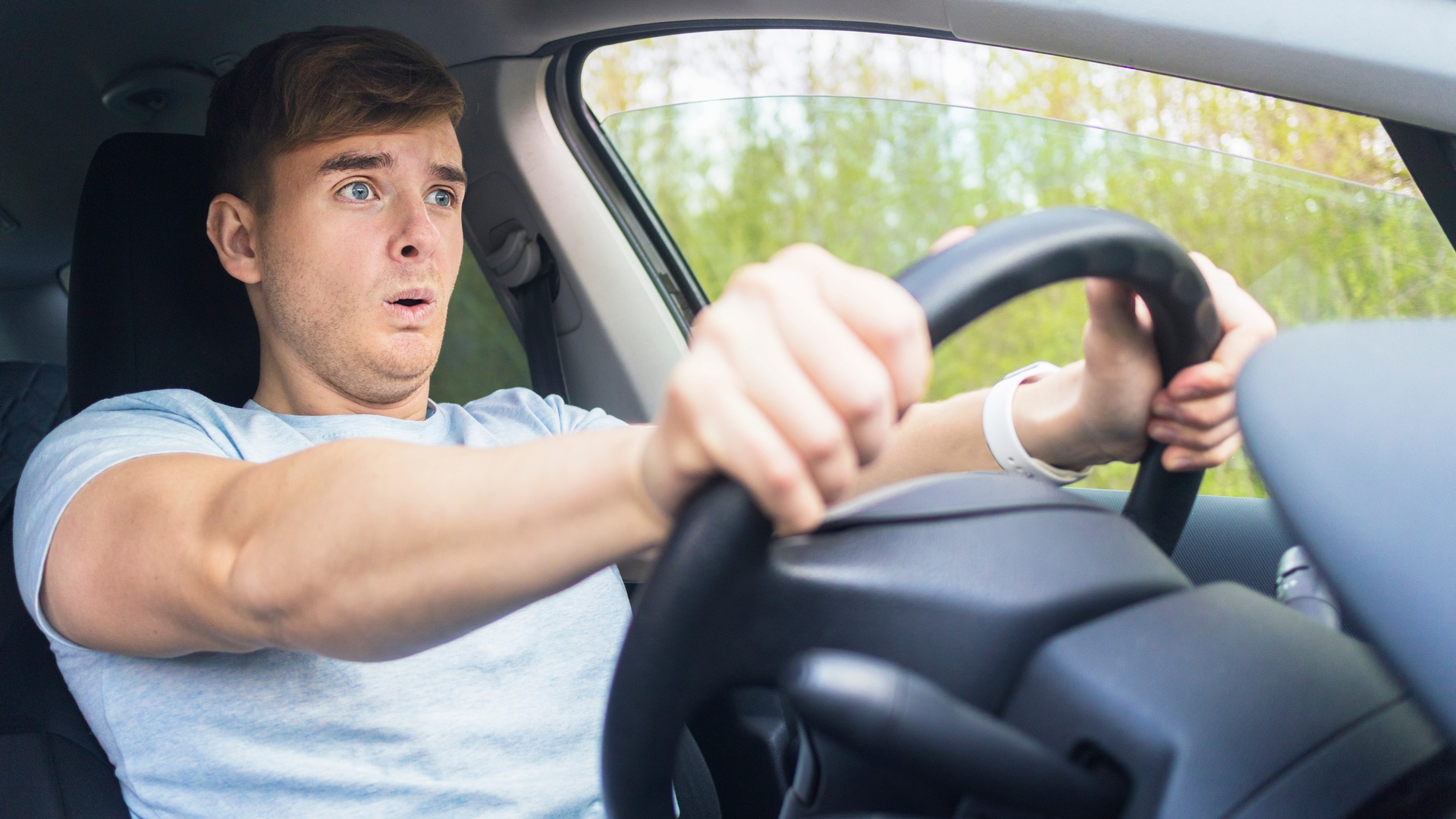
A flat tire, a dead battery, or an unexpected engine problem can happen to anyone at any time. While you can't predict a breakdown, you can prepare for one. Being prepared for a roadside emergency helps you stay safe, reduces stress, and can even save you money on costly tows or repairs.
Build Your Roadside Emergency Kit
Think of a roadside emergency kit as your car's first-aid kit. It contains everything you need to handle common problems and stay safe while you wait for help. You can buy a pre-made kit or build your own.
Depending on where you live, you can include a variety of items in your kit, but a few staples are vital in an emergency. Jumper cables are useful for a dead battery, especially in bad weather that prevents a tow truck from reaching you.
You should also pack essential items for your tires to handle emergencies. This includes tire sealant, an inflator, and a tire pressure gauge. All of these items can help you with a flat or a gash in your tire.
Keep Up With Regular Maintenance
The best way to handle an emergency is to prevent it from happening in the first place. Regular vehicle maintenance is key to keeping your car reliable and reducing the risk of unexpected breakdowns.
Checking your tires and monitoring fluids are easy checks that can prevent issues on the road. Regularly inspect your tires for wear and tear. Afterwards, you can check your oil, coolant, and windshield washer fluid levels. Low fluid levels can lead to serious engine problems.
Following your vehicle's recommended service schedule is the easiest way to stay on top of maintenance. It ensures that potential issues are caught early, saving you from a bigger headache down the road.
Know What To Do When an Emergency Happens
Even with the best preparation, emergencies can still occur. Knowing the right steps to take can keep you and your passengers safe. Your first step is to pull over once you notice a problem. Turn your hazard lights on and assess the situation. Is it a flat tire? Do you smell smoke? If you're not sure what's wrong or feel unsafe, stay in your car.
Use your phone to call a roadside assistance service, a tow truck, or emergency services if needed. Be ready to provide your location, vehicle description, and the nature of the problem. In most cases, it is safest to remain in your car with the doors locked and your seatbelt on while you wait for help to arrive.
Your Path to Safer Driving
No driver wants to deal with a roadside emergency, but being prepared makes all the difference. By assembling an emergency kit, staying on top of your vehicle's maintenance, and knowing what to do in a crisis, you can protect yourself and your passengers. A little preparation today can provide significant peace of mind for all your journeys tomorrow.