


How to Design the Perfect Driveway for Your Home
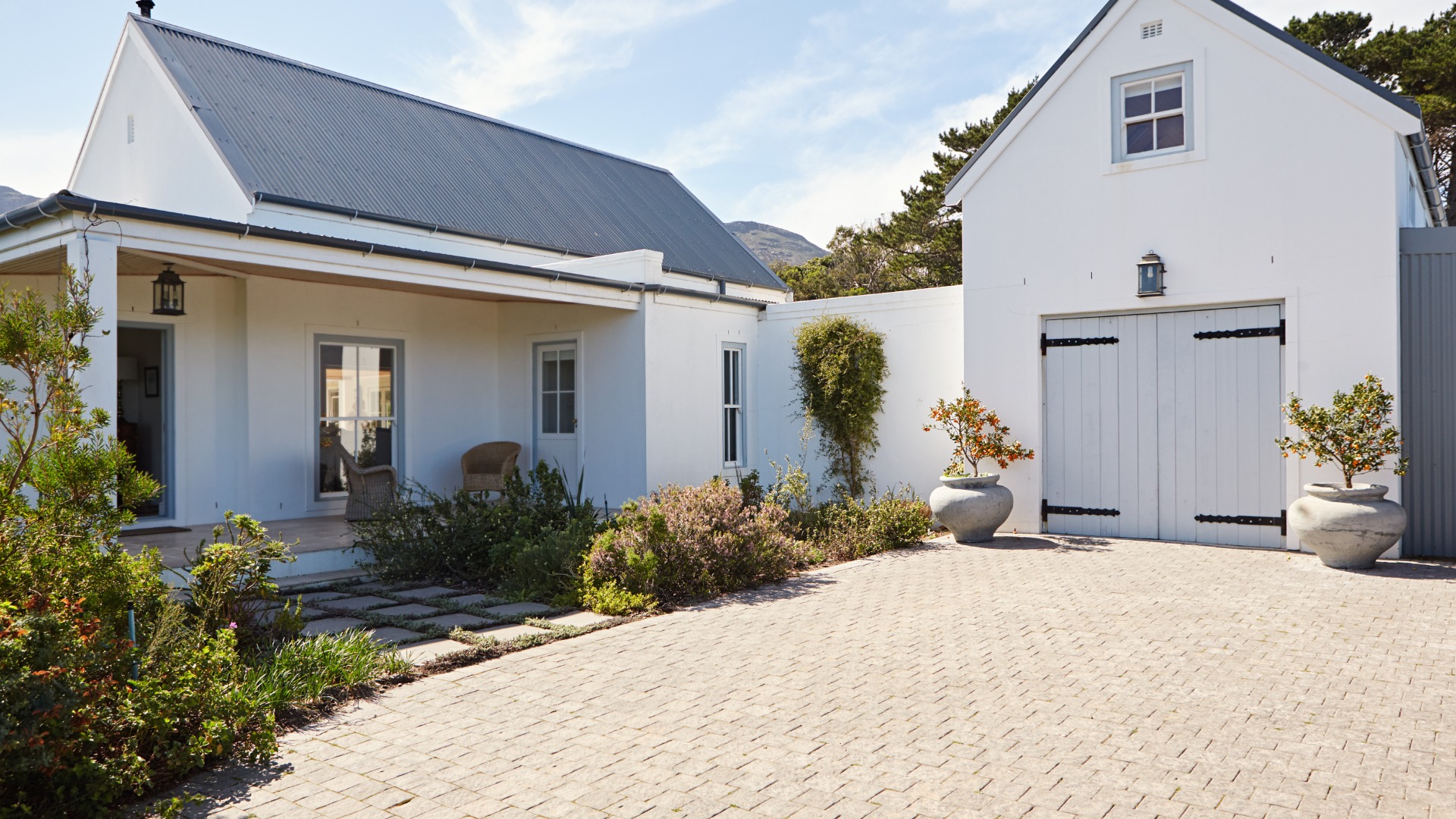
A driveway does more than hold your car. It frames your home, shapes first impressions, and sets the tone for everything beyond it. When you approach your property each day, that stretch of hardscape greets you before your front door does.
If you’re ready to upgrade or start from scratch, take time to plan with purpose. Use this guide to map out how to design the perfect driveway for your home, then connect with a local hardscape supplier to explore materials and next steps.
Start with How You Use the Space
Before you think about color or pattern, look at how your driveway functions day to day. Some homes need space for two vehicles side by side. Others need room for guests, teen drivers, or recreational vehicles. A narrow strip of concrete rarely suits a busy household.
Picture a typical week at your house. You likely see trash bins roll to the curb, delivery trucks pull in, and friends stop by for dinner. A thoughtful layout accounts for real life instead of just curb appeal.
If space allows, consider a wider apron near the garage or a gentle curve that creates extra parking without crowding your yard. Those small adjustments can improve flow and reduce wear over time.
Choose Materials That Match Your Home’s Style
Driveway materials set the visual foundation for your exterior. Concrete pavers offer clean lines and a structured look. There are many ways a paver driveway can instantly transform your home’s first impression, but it comes down to successfully matching the style of your home. Cobble-style pavers create a classic, old-world feel. Larger format pieces lean more contemporary.
Think about your home’s architecture. A coastal cottage pairs well with soft tones and textured finishes. A brick colonial can handle rich, traditional colors. A modern farmhouse may look best with smooth, neutral pavers laid in a simple pattern.
Pavers also offer flexibility. If one section ever needs repair, individual units can be swiftly replaced without tearing up the whole surface. That practical advantage adds long-term value along with aesthetic appeal.
Consider Color With the Whole Property in Mind
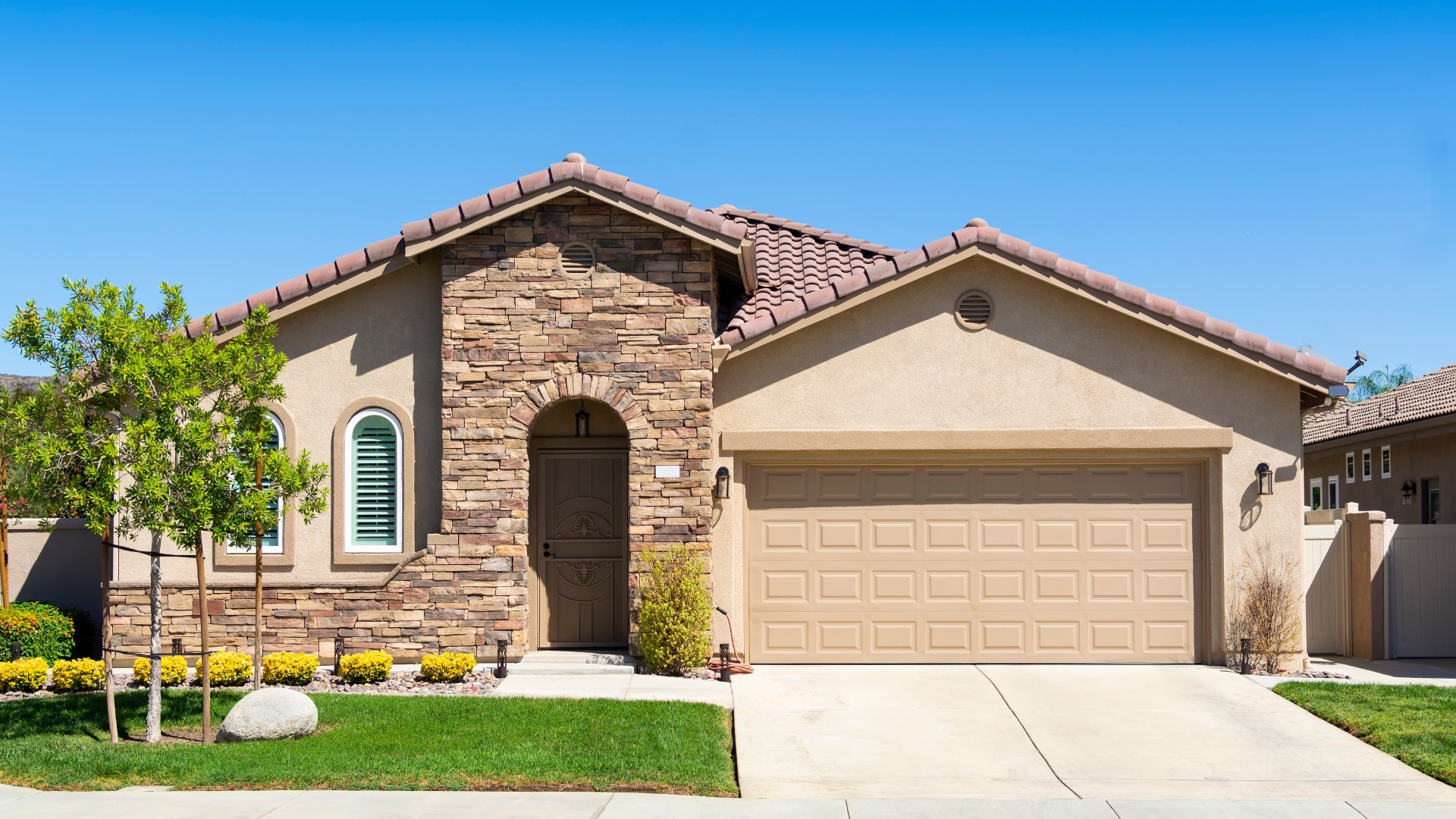
Driveways cover a large footprint, so color choice carries weight. You want harmony between your driveway, roof, siding, trim, and landscaping. Pull inspiration from tones already present in your exterior palette.
Warm earth tones blend well with natural surroundings. Cool grays and charcoals give a crisp, updated look. Blended colors can hide minor stains and dust better than flat, single shades.
Lay sample pavers near your garage and front walkway before committing. View them in morning light, afternoon sun, and evening shade. Light shifts throughout the day, and those changes can alter how color appears.
Plan the Layout and Pattern Carefully
Pattern influences both strength and style. A herringbone layout, for example, locks pavers together tightly and works well for driveways with regular vehicle traffic. Running bond patterns feel more linear and understated.
Large open areas may benefit from a border that frames the field. A contrasting edge can define the driveway and tie into walkways or patios. Subtle design details elevate the entire look without overwhelming the space.
Straight driveways suit traditional homes and tighter lots. Curved designs soften the landscape and create visual interest. Each option has its place, and your property’s shape will guide the final decision.
Think About Drainage From the Start
Water management deserves attention early in the design process. Rain should move away from your garage and foundation. A properly graded surface protects both your home and your driveway investment.
Permeable pavers offer another solution. They allow water to pass through joints and filter into the ground below. That feature reduces runoff and supports stormwater control in many regions.
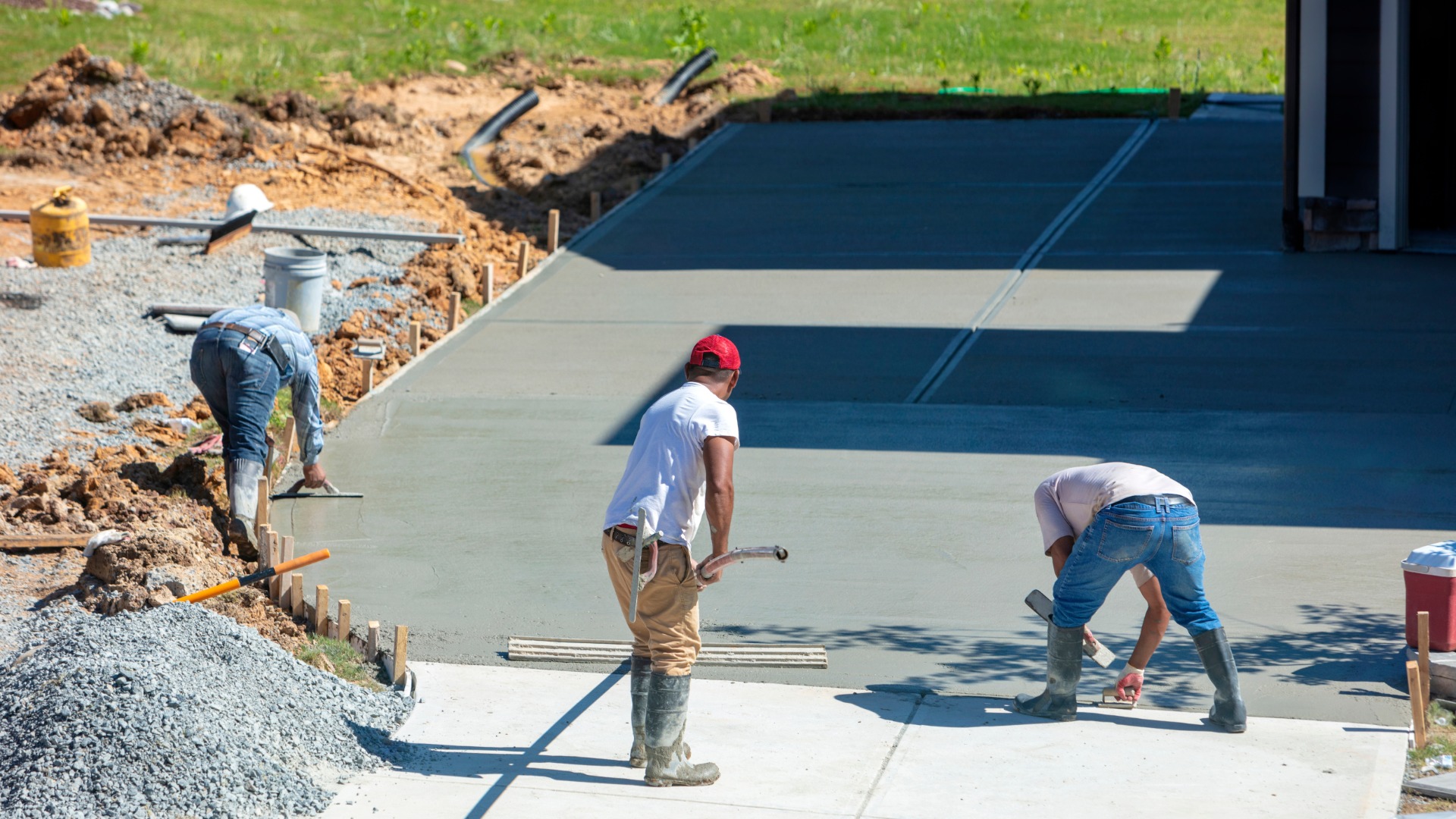
Even with traditional pavers, proper base preparation and slope matter. Work with experienced suppliers and contractors who understand local soil conditions and climate. A solid foundation supports long-term performance.
Account for Climate and Traffic
Climate affects how materials perform over time. In coastal regions, salt air and moisture exposure play a role. In hotter climates, darker colors absorb more heat. In areas with freeze-thaw cycles, base construction becomes even more critical.
Also consider traffic load. A driveway that supports heavy trucks or large SUVs needs a thicker base and durable paver selection. Residential streets with lighter traffic still require thoughtful planning, just at a different scale. When you align materials and construction details with your environment, your driveway holds up beautifully year after year.
Add Details That Elevate the Design
Small design touches can transform a standard driveway into something memorable. Decorative borders add structure. A soldier course along the edge creates a crisp frame, and accent bands can connect the driveway visually to a front walkway.
Lighting also deserves attention. Low-profile fixtures along the edges boost safety and highlight texture at night. That glow enhances curb appeal and makes late arrivals more welcoming.
Landscaping softens hard lines. Consider planting beds along one side or adding ornamental grasses near curves. Greenery breaks up wide expanses of hardscape and brings balance to the design.
Keep Maintenance in Mind
Every driveway material requires some level of care. Pavers benefit from periodic cleaning and joint sand refreshment. Sealing may enhance color and help resist stains, depending on your preference.
Choose a color and texture that fit your lifestyle. Lighter tones may show tire marks more easily. Highly textured surfaces can trap debris if not maintained.
When you select materials that align with your expectations for upkeep, you avoid frustration later. A little foresight goes a long way toward long-term satisfaction.
Budget With a Long-Term Perspective
Driveway costs vary based on size, material, site preparation, and design complexity. While initial price matters, long-term value deserves equal attention. Durable pavers can last decades with proper installation and care.
Think about repair flexibility as well. As mentioned above, individual pavers are easy to replace without removing the entire surface. That adaptability supports cost control over time.
A well-designed driveway also adds resale appeal. Prospective buyers notice quality hardscaping. Clean lines and cohesive design can elevate perceived value across the whole property.
At its best, a driveway blends function, durability, and style into one cohesive feature. It supports daily life and enhances your home’s character at the same time. Thoughtful planning leads to fewer regrets and stronger results.
As you move forward, revisit this guide on how to design the perfect driveway for your home and refine your ideas. Sketch your layout, gather samples, and speak with a trusted local hardscape supplier about product options. With a clear vision and the right materials, your driveway can elevate your entire property.