


How To Choose the Right Excavator Attachment
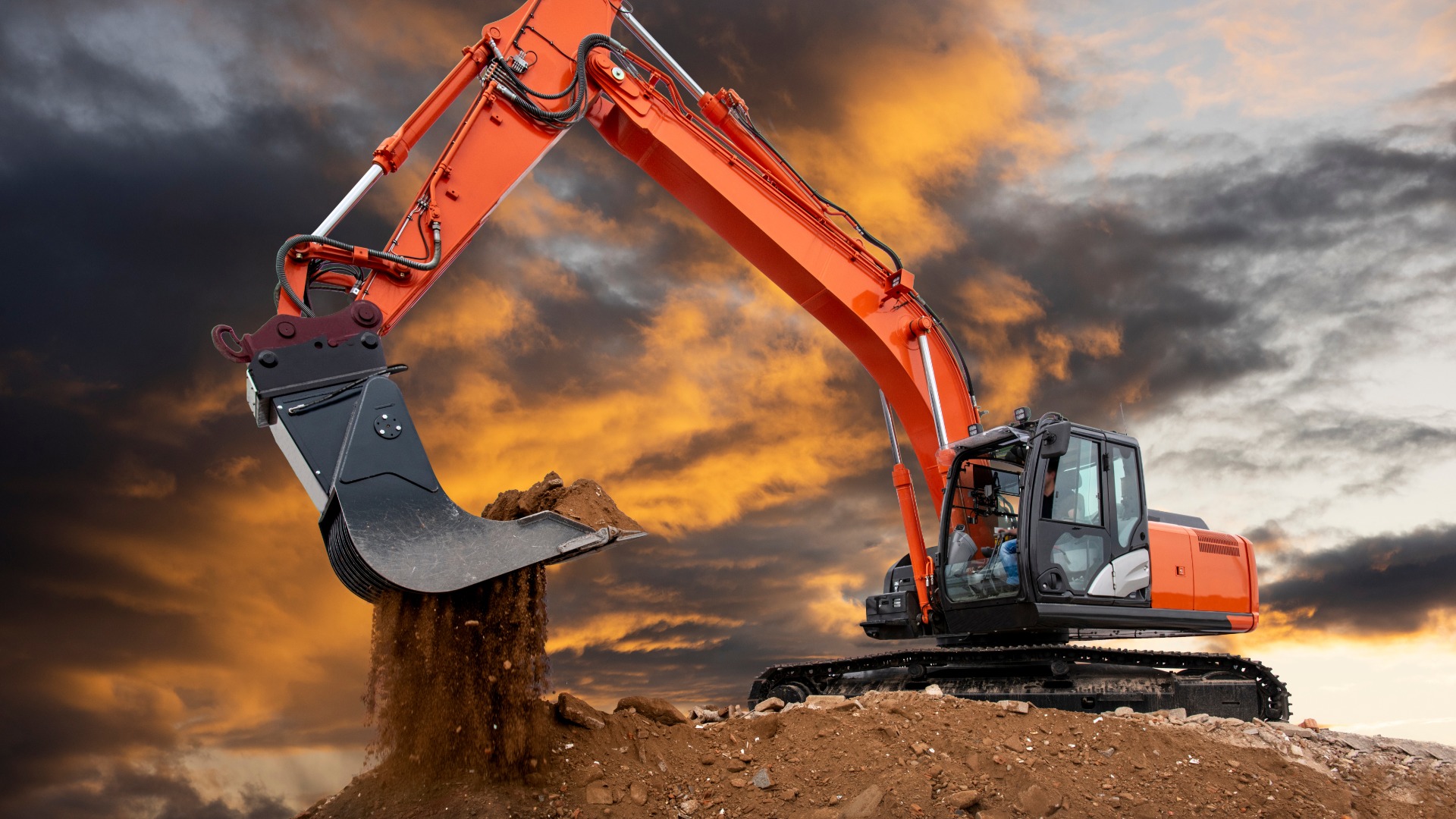
An excavator can handle far more than excavation work, but its performance depends heavily on the attachment at the end of the boom. The right equipment can help crews move concrete barriers, place drainage pipes, and handle bulky materials without the expense of another dedicated machine. Of course, not every attachment suits every excavator or jobsite. Let’s discuss how to choose the right excavator attachment.
Check Machine Capacity and Lift Limits
Start with your excavator's manufacturer specifications and applicable lift chart. The machine must have sufficient capacity for the attachment's weight, the material load, and the intended lift position. Reach, boom configuration, ground conditions, and attachment geometry can all affect the available capacity.
For example, an excavator may handle a concrete component comfortably near its tracks but have less capacity at an extended reach. That distinction matters when crews must place materials across trenches or beyond roadside obstacles. Never assume that an attachment's rated capacity represents the excavator's safe lift capacity.
Both the machine and attachment must meet the demands of the planned operation. Operators should also account for the weight of any additional connection hardware. These details help establish realistic limits before work begins.
Examine Mounts and Connection Requirements
Next, review the attachment's mount configuration and connection hardware. Pin dimensions, coupler compatibility, and approved installation arrangements deserve attention before anyone places an order. A mismatch can leave crews with an attachment they can't safely install.
Some attachments require hydraulic connections, but others use mechanical systems without additional hydraulic hookups. A mechanical attachment may suit crews that prefer fewer connection requirements and straightforward equipment changes. Confirm the complete installation procedure with the manufacturer rather than assume a universal fit.
Choose an Attachment Based on Material Characteristics
Material weight tells only part of the story. Shape, surface texture, dimensions, and structural condition can influence the attachment your crew needs. A suitable attachment must accommodate the material's physical characteristics and the planned lift method.
Concrete Barriers and Large Blocks
Concrete barriers demand equipment that can grip their geometry securely. A purpose-built barrier lift may provide a practical solution for crews responsible for highway construction, traffic control, or infrastructure repairs. Pay attention to the attachment's rated capacity, approved grip range, and contact surfaces.
Barrier dimensions can vary across projects, so verify compatibility with the actual components your crew handles. Concrete blocks deserve similar consideration because their profiles and surface characteristics can differ substantially. A clamp designed for one block profile shouldn't automatically be considered suitable for another.
Pipes and Cylindrical Materials
Pipe installation presents a different challenge because cylindrical loads can roll or shift without appropriate support. Pipe hooks and dedicated pipe lifts offer options for specific pipe materials and installation methods. Diameter, length, weight, and approved contact points all deserve attention.
A concrete drainage pipe, for example, may require a different attachment arrangement from a steel pipe section. Check the manufacturer's instructions for acceptable pipe types and lift configurations. Material condition and the location of the load's center of gravity also influence safe handling.
Multiple Material Types
Some contractors need one excavator to complete several distinct tasks throughout the week. In those circumstances, an interchangeable attachment system may be worth consideration. A compatible multi-purpose system can allow crews to switch between approved tools for different materials.
This approach may reduce the need for separate dedicated equipment. Each attachment still requires its own compatibility and capacity checks before use. Crews should also verify that the interchangeable components suit their particular machine configuration.
Evaluate Durability Against Jobsite Conditions
Construction attachments face rough treatment from abrasive materials, uneven terrain, moisture, and repeated load cycles. Durability deserves more attention than appearance or an attractive purchase price. Examine the manufacturer's information about structural materials, fabrication quality, and rated service conditions.
Welded connections, pivot points, contact pads, and other wear-prone components should receive particular scrutiny. For example, a contractor responsible for daily barrier placement may place far greater demands on an attachment than a crew that completes occasional lifts. Consider the expected workload and the manufacturer's inspection and maintenance requirements.
Also, look at replacement-part availability. Accessible wear components and dependable technical support can help crews address maintenance needs without lengthy equipment interruptions. A durable attachment with practical service requirements can provide better long-term value than a cheaper alternative.
Review Safety Features and Load Documentation
An attachment's appearance doesn't reveal its actual capabilities. Buyers should request technical documentation before they commit to a purchase. Review the rated load capacity, manufacturer instructions, identification markings, and applicable test or certification records.
Verify that the documentation covers the specific attachment model and its intended application. Pay attention to the manufacturer's requirements for inspections, load engagement, and removal from service. Damaged contact surfaces, deformation, cracks, or worn hardware can affect attachment performance.
Your crew's experience matters, too. Operators and riggers should understand the attachment's approved use, limitations, and lift procedures before work begins. Clear manufacturer instructions can help crews establish consistent procedures across different jobsites. Get familiar with excavator lifting attachment load testing protocols to ensure responsible operation.
Compare Total Ownership Costs, Not Just Purchase Prices
The lowest initial price doesn't always represent the most economical attachment. Maintenance expenses, replacement parts, service life, and equipment downtime can influence long-term value. Consider how frequently your crew will use the attachment and the labor required for each operation.
A specialized tool may justify its cost through repeated use on similar projects. A versatile system may offer better value when assignments change regularly. Both options deserve consideration based on actual workload rather than purchase price alone.
Availability deserves consideration as well. An attachment that arrives after a project deadline may create additional rental expenses or disrupt the construction schedule. Compare warranty terms, manufacturer support, and realistic delivery estimates alongside the purchase price.
Make the Final Choice With Your Crew in Mind
The best attachment on paper isn't necessarily the best fit for your operation. Operators, supervisors, and maintenance personnel can offer useful perspectives on access restrictions, material dimensions, service requirements, and everyday jobsite challenges. Their firsthand experience can reveal practical concerns that equipment specifications don't fully address.
Before purchase, confirm the machine configuration, load specifications, attachment compatibility, and documentation. Discuss unusual applications directly with the manufacturer rather than rely on assumptions. Now that you know how to choose the right excavator attachment, start shopping for the best option today.