


How To Care for a Radiator in an Older Home
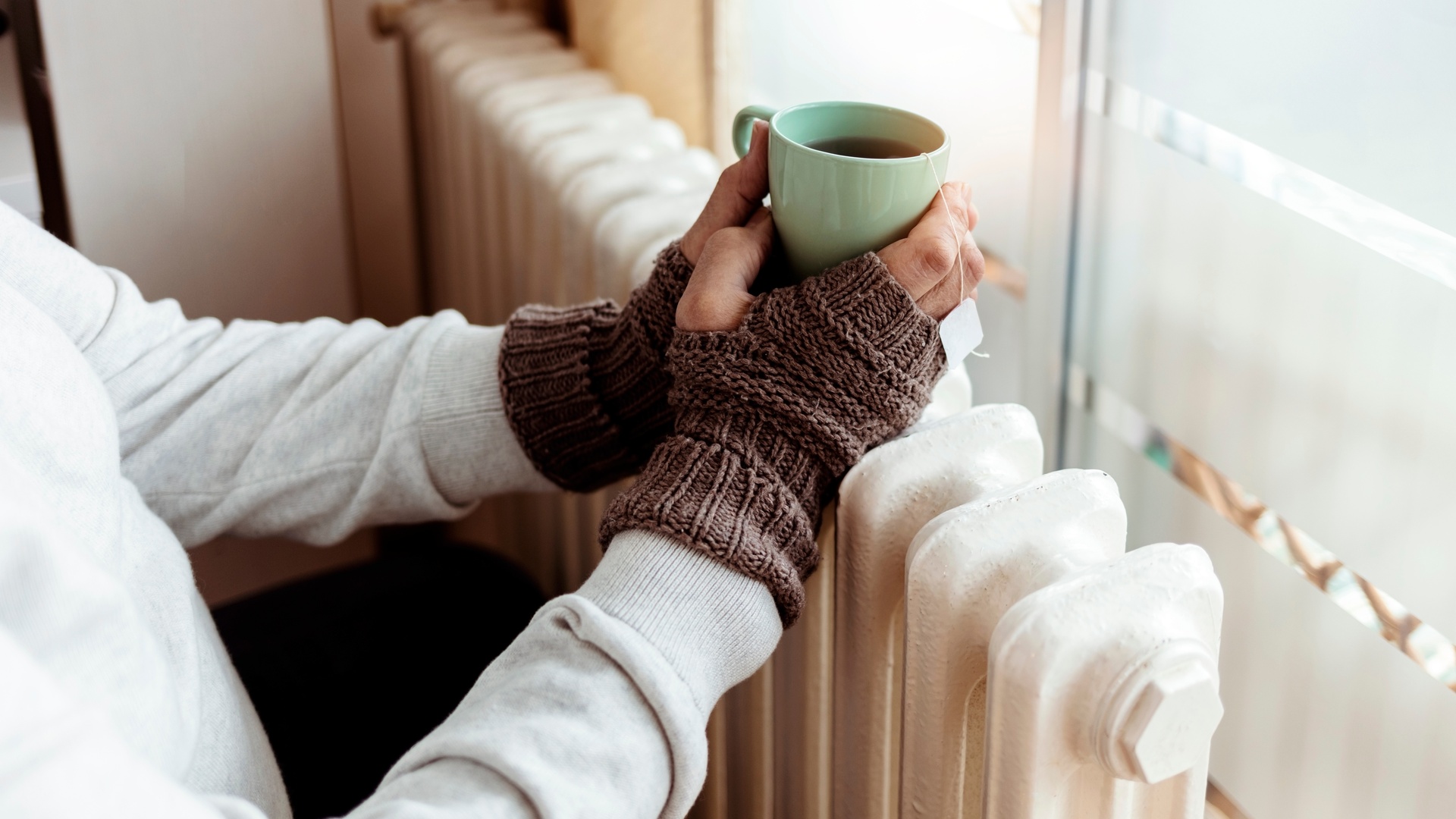
Radiators in older homes are hallmarks of classic design, but they require specific care to function efficiently and safely. Overlooking their maintenance can lead to higher energy bills, uneven heating, and potential system failures. Properly caring for these fixtures ensures your home stays warm and your heating system remains reliable for years to come.
Proper maintenance extends the radiator’s life and enhances its performance. From routine cleaning to periodic system checks, these simple steps can make a significant difference in how your home is heated. Read on to learn how to care for a radiator in an older home.
Keep It Clean
Dust and debris can accumulate between the radiator fins, obstructing heat flow and reducing efficiency. This buildup forces your heating system to work harder to warm the room, increasing energy consumption.
First, turn off the heat and allow it to cool completely. Use a long, flexible brush or a vacuum cleaner with a narrow attachment to remove dust from between the sections. Afterward, wipe down the exterior with a damp cloth and mild detergent. Performing this task at the beginning and end of the heating season will keep your radiator operating effectively.
Bleed the Radiator
Air can become trapped inside your radiator, creating cold spots and preventing hot water from circulating properly. This trapped air often causes gurgling or banging noises and results in a radiator that is cold at the top and hot at the bottom.
To fix this, you need to bleed the radiator:
- Turn off your heating system.
- Place a rag or small bucket under the bleed valve to catch any water.
- Use a radiator key to slowly turn the valve counter-clockwise. You will hear a hissing sound as the trapped air escapes.
- Once water begins to drip out, close the valve by turning it clockwise.
Check for Leaks
Regularly inspect your radiator for any signs of leaks, which often appear as rust spots or small puddles on the floor. Pay close attention to the valves and pipe joints. If you find a leak, turn off the water supply to the radiator and contact a professional plumber for repairs. Addressing leaks promptly prevents water damage and more significant system issues.
To further improve efficiency, you can install a thermostatic radiator valve. This device allows you to control the temperature of individual rooms, saving energy by not overheating unused spaces.
Maintain the System
Finally, schedule an annual inspection with a qualified HVAC technician. A professional can check your entire heating system, including the boiler and pumps, to make sure everything is in good working order. Regular professional maintenance catches potential problems early and keeps your heating system running smoothly and safely.
By following these care steps, you ensure the radiators in your older home operate efficiently and reliably. Consistent care prevents costly repairs and keeps your living space comfortable throughout the cold months.