


How to Build a Reliable Employee DOT Testing Program
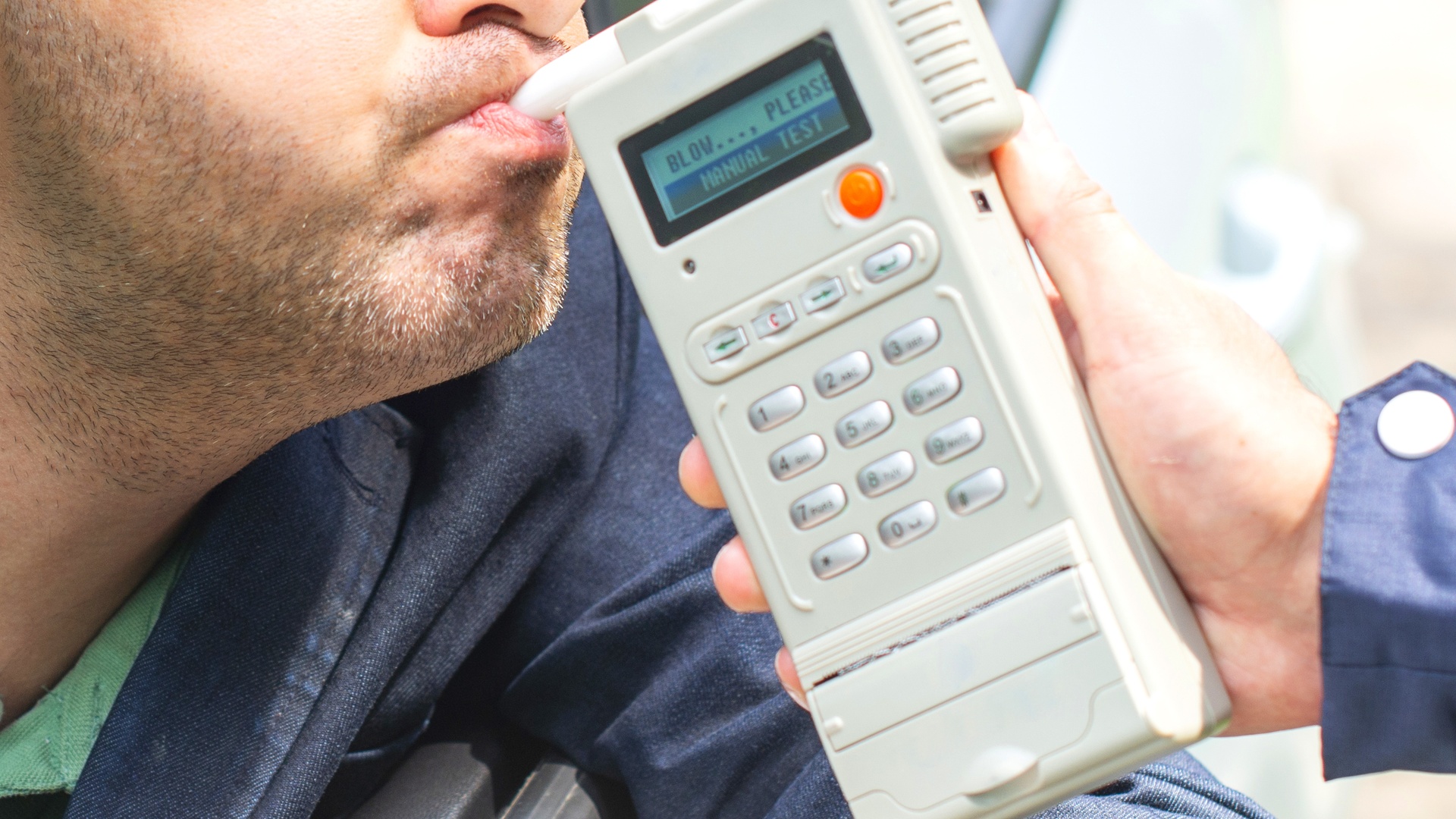
Federal mandates demand rigorous oversight of safety-sensitive transportation roles to maintain security on public transit routes. Organizations responsible for commercial fleets must uphold these strict standards to protect drivers and the public from harm. A well-structured system for detecting substance use protects your company from legal liabilities and severe federal fines.
Leaders must understand the specific regulations that apply to their sector, whether aviation, trucking, or rail transport. Compliance requires constant vigilance, precise documentation, and a commitment to fair enforcement across the entire workforce. Many companies struggle with the complexities of these federal rules, which often leads to costly audit failures.
To build a reliable employee DOT testing program, you need a robust strategy that integrates random checks, clear policies, and qualified medical professionals to succeed. Learning the necessary steps will help you construct a defensible and effective protocol for your organization.
Understand Federal Mandates Clearly
Federal law sets strict rules for all commercial drivers on the varied, busy public roads. You must learn which specific agency regulates your fleet to avoid swift and harsh fines. These laws exist to keep all roads safe from the risks of impaired driver errors.
Each agency keeps a distinct list of banned substances that you must test for often. Managers need to read the official text to ensure full compliance with the latest rules. Failure to follow these strict federal laws will harm your firm and its good name.
Draft Written Company Policies
You must create a clear rule book for all staff to read at work start. This text must state what conduct is banned and what happens if a test fails. Staff members need to sign a form that proves they read and understood the rules.
Clear words help prevent legal fights when a worker breaks the rules of the program. Your policy should define who must undergo checks and when those checks will take place. Legal counsel should review the document to ensure it meets all current labor law standards.
Select Qualified Collection Sites
You need to pick a lab that meets all strict federal standards for proper analysis. The site must use trained staff who follow the correct steps to collect the samples. A good partner will help you manage the data and keep strict records of results.
Errors in the collection process can make a test result void in a court case. You must verify that the site has accreditation from the proper health and safety boards. Correct procedures protect the rights of the donor and the legal status of your firm.
Train Designated Employer Representatives
Your firm must appoint a specific person to manage the drug and alcohol check program. This leader needs detailed training to handle the sensitive data and tough choices required daily. They serve as the main link between the medical review officer and your company management.
A trained rep helps your team avoid mistakes that could lead to large federal fines. They must know how to spot signs of abuse and when to order a check. Strict protocols allow the rep to act with speed and confidence during a crisis event.
Schedule Random Check Events
Random checks serve as a strong deterrent against drug use among your safety-sensitive workforce. You must use a fair method to select names so no bias affects the process. Federal rules set the exact rate of checks you must perform throughout the calendar year.
The element of surprise is vital to catch those who might otherwise hide their habits. Employees must report to the collection site with no delay once you notify them strictly. Consistent random checks prove your commitment to safety and compliance with all federal transportation laws.
Manage The Chain of Custody
Paperwork must track the sample from the moment of collection until the final lab result. Any gap in this paper trail can cause the test result to fail in court. Staff at the collection site must seal and sign the vial to prove its security.
You must review these forms to ensure no errors exist that could ruin the process. The medical review officer will check the documents before they release the result status. Strict attention to these small details keeps your program strong against all potential legal threats.
Handle Positive Test Results
You must have a plan for when an employee fails a drug or alcohol screen. The medical review officer will call the donor to ask about legal medical drug use. If no valid reason exists, you must remove the driver from all safety-sensitive tasks.
Your policy must state whether you will offer a chance for help or terminate employment. Exploring the top errors in DOT alcohol testing and how to avoid them will ensure you act responsibly. Prompt action protects your firm and keeps the roads safe for the public.
Monitor Substance Abuse Professionals
Drivers who fail a test must see a qualified expert before they can return efficiently. This expert outlines a plan for education or treatment that the driver must complete fully. You cannot allow the driver to work until the expert signs a return-to-duty report.
This process ensures that the worker addresses their issue and is safe to drive. You must track their progress and ensure they follow all the steps in the plan. The safety of the public depends on your strict enforcement of this return-to-work protocol.
Maintain Strict Record Retention
Federal rules state how long you must keep each type of record in your files. You must store positive results for five years and negative ones for at least one. These files must remain secure and separate from the standard personnel files of your staff.
Auditors will ask to see these logs to prove your program meets all federal laws. A disorganized file system can lead to fines even if you did the tests correctly. Good records show you care about the rules and the safety of your fleet operations.
Audit Program Compliance Regularly
To build a reliable employee DOT testing program, you should check your own system once a year to find and fix any gaps. Look at your random selection rates to ensure you meet the minimum federal percentage targets. Check that all supervisors have the training they need to spot signs of drug use.
Internal audits prepare your team for the real federal review that will happen in time. Correct small issues now before they grow into large problems that cost you much money. A proactive view helps you run a clean, safe, and legal operation for many years.
A reliable testing system forms the backbone of a safe and compliant commercial fleet operation. While the regulations seem complex, a systematic approach reduces the risk of errors and penalties. Leaders who invest time in training, policy creation, and rigorous documentation will see fewer safety incidents.
Your commitment to these standards protects your employees, your company assets, and the public roads. Vigilance and adherence to federal rules create a culture of responsibility that benefits every stakeholder.