


How to Avoid Costly RV Repairs on the Road
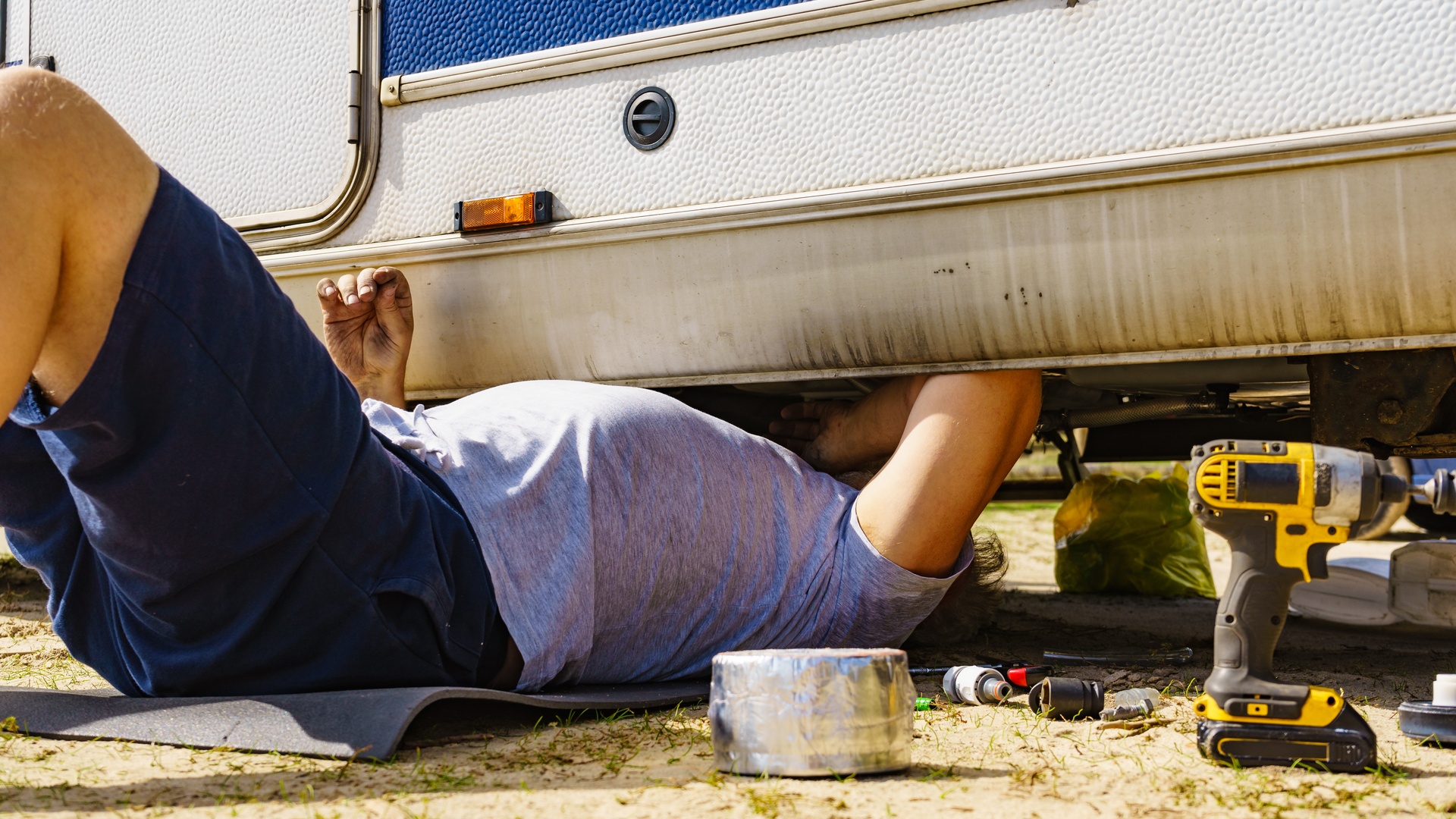
The freedom of the open road is one of the greatest joys of owning an RV. Exploring new places, from the Blue Ridge Mountains to the Carolina coast, creates unforgettable memories. However, nothing brings that adventure to a grinding halt faster than an unexpected breakdown. A sudden repair can disrupt your travel plans and lead to significant, unplanned expenses.
Fortunately, with a proactive approach, it’s possible to prevent many of these costly issues before they even happen. By taking a few preventative steps, you can save money, reduce stress, and ensure your journey remains smooth and enjoyable. This guide will walk you through practical tips to keep your RV in top shape, helping you avoid costly repairs while on the road.
Conduct Thorough Pre-Trip Inspections
Before you hit the road, a comprehensive inspection is one of the most effective ways to prevent breakdowns. Start with the basics: check your tires for proper pressure and look for any signs of wear on the tread. Test your brakes to ensure they are responsive, and walk around the RV to confirm all exterior lights—headlights, taillights, and turn signals—are working correctly.
Next, inspect your fluid levels. This includes engine oil, coolant, transmission fluid, and brake fluid. Low levels can indicate a leak or signal that it’s time for a change. It’s also crucial to inspect the roof and seals for cracks, gaps, or other damage. A small leak discovered in your driveway is much easier and cheaper to fix than one found during a downpour hundreds of miles from home. Taking the time for these checks can prevent minor issues from turning into major, trip-ending problems.
Stick to a Maintenance Schedule
Regular maintenance is the foundation of a reliable RV. Just like any vehicle, your RV requires routine care to function optimally. Adhering to the manufacturer’s recommended service schedule for oil changes, filter replacements, and tire rotations is essential for extending the life of your engine and other critical components.
Seasonal preparation is also a key part of this schedule. This involves things like winterizing your RV’s plumbing system to prevent frozen or burst pipes in case it gets cold out, and preparing the cooling systems and tires for the intense heat of summer. Keeping detailed records of all maintenance can help you stay on top of these tasks. A simple logbook or a digital app can track what you’ve done and when, ensuring you never miss a critical service.
Carry Essential Tools and Spare Parts
Even with diligent maintenance, minor issues can still arise on the road. Being prepared with the right tools and spare parts can be the difference between a quick fix and a long, expensive wait for a mechanic. Your onboard toolkit should include a set of wrenches, various screwdrivers, a reliable tire repair kit, and, of course, a roll of duct tape for temporary patches.
It’s also wise to carry a selection of common spare parts that are specific to your RV model. This might include extra fuses, essential hoses, spare belts, and a few light bulbs. Having these items on hand allows you to handle minor repairs yourself, saving you both time and money, especially when you’re in a remote area far from the nearest repair shop.
Learn Basic DIY Repairs
Of course, simply having the right tools isn’t enough. You also need to empower yourself with the knowledge to perform basic repairs can be incredibly valuable. You don’t need to be a master mechanic, but learning how to handle a few simple fixes can save you from costly roadside assistance calls. Mastering tasks like replacing a blown fuse, patching a minor tire puncture, or fixing a leaky faucet can get you back on your journey quickly.
Luckily, there is a wealth of resources available to help you learn. For one, YouTube is filled with detailed tutorials on almost every imaginable RV repair. Investing in a good RV repair manual specific to your model is also a smart move. Online forums and communities of fellow RVers are another fantastic place to find step-by-step guidance and practical advice. The more you know, the less you’ll have to rely on others in an emergency.
Monitor Your RV Systems Regularly
Modern technology has made it easier than ever to keep an eye on your RV’s vital systems while you travel, helping you more easily avoid unnecessary and expensive RV repairs. Consider using a Tire Pressure Monitoring System (TPMS) to get real-time alerts about your tires. Other apps and devices can track battery health, generator performance, and the levels in your fresh, gray, and black water tanks.
Beyond technology, pay attention to your RV itself. Be alert for any unusual noises, strange vibrations, or new leaks. These are often the first warning signs of an impending problem. Addressing these symptoms immediately can help you catch issues early, before they escalate into expensive and dangerous breakdowns on the highway.
Drive Smart to Reduce Wear and Tear
How you drive has a direct impact on the longevity of your RV. Practicing safe and smart driving habits can significantly reduce wear and tear on your vehicle’s engine, transmission, brakes, and tires. Avoid aggressive driving, such as sudden braking and rapid acceleration. Be mindful of your RV’s weight limits and avoid overloading it, as excess weight puts a strain on every component.
Planning your route can also make a difference. Whenever possible, stick to well-maintained, RV-friendly roads to avoid unnecessary strain from potholes, steep grades, or tight turns. Driving at a consistent, moderate speed not only improves fuel efficiency, saving you money at the pump, but also reduces stress on your engine and powertrain.
Build Relationships with Trusted Mechanics
Despite your best efforts, there will be times when you need a professional. Building a network of trusted mechanics can provide peace of mind during your travels. Before you leave, research reputable RV repair shops along your intended route. Reading online reviews and checking for certifications can help you identify reliable experts.
Don’t hesitate to ask for recommendations from other RVers you meet. The RV community is often a great source of information, and fellow travelers are usually happy to share their positive (and negative) experiences with repair shops. Knowing you have a go-to expert to call in an emergency can make all the difference when you’re far from home.