


The History of Granite in American Homes: A Design Story
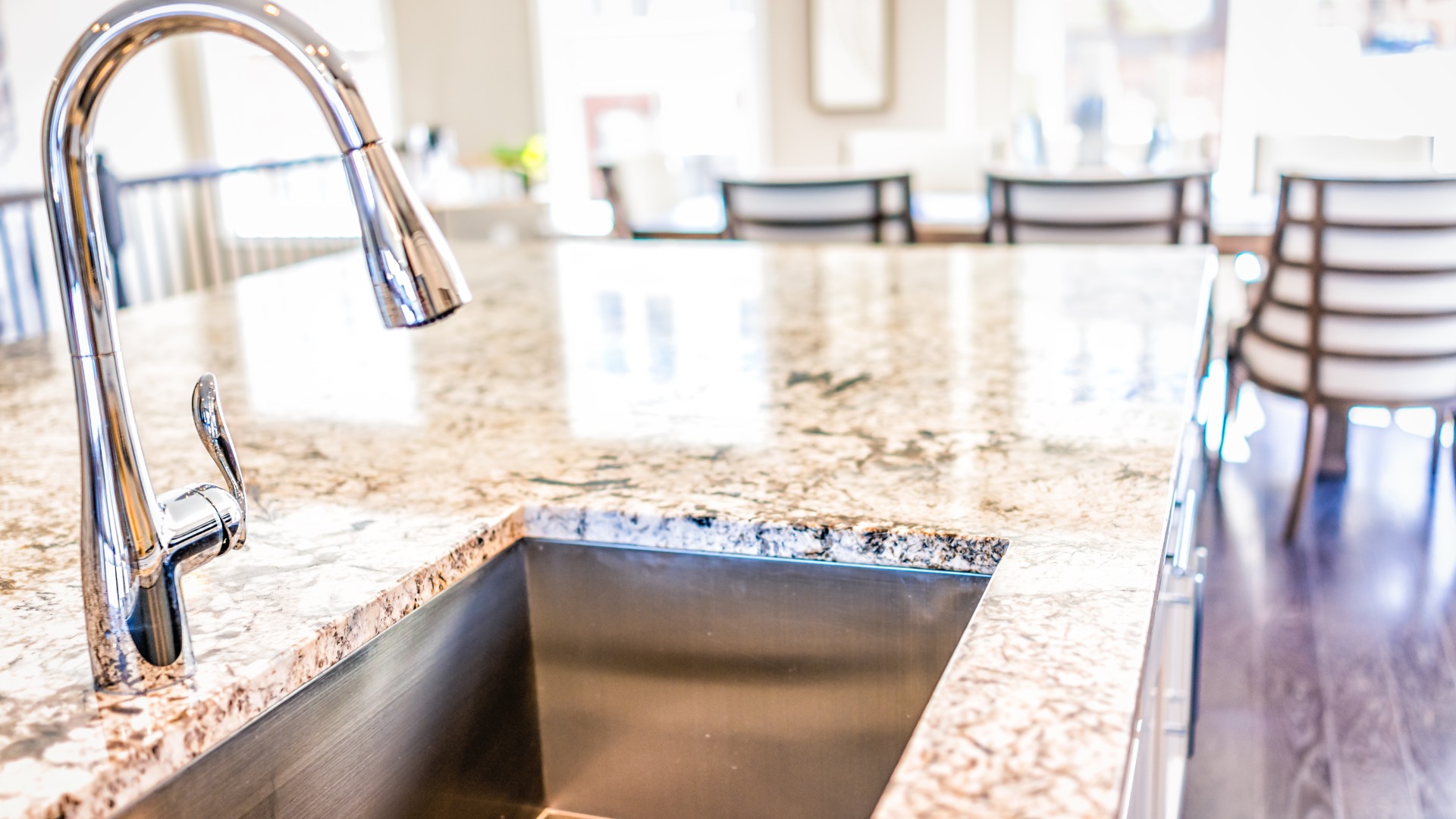
Granite has shaped the look and feel of American homes for generations. Homeowners value its strength, natural beauty, and timeless appearance. Designers often choose granite to add durability and character to kitchens, bathrooms, and living spaces. The design story and history of granite in American homes reflects changing design trends, evolving technology, and a long appreciation for natural stone. Read on to learn more.
Early American Homes and Natural Stone
Granite entered American homes long before modern kitchens and countertops became popular. Early builders used local stone to construct fireplaces, foundations, and entryways. Granite offered durability that helped homes withstand harsh weather and heavy daily use. Many early homes across the Northeast and Midwest still feature granite elements that remain strong after more than a century.
Quarries across New England supplied much of the granite used during the nineteenth century. Builders selected the stone for its resilience and natural appearance. Communities relied on skilled quarry workers who cut and transported heavy blocks of granite to construction sites. Granite became a practical and attractive building material that supported function and design.
Granite Finds Its Way Into Interior Design
Granite gradually moved from structural uses to decorative interior design. During the early twentieth century, architects began to incorporate stone surfaces into kitchens, bathrooms, and entry halls. Granite offered a refined appearance that complemented traditional cabinetry and wood finishes. Wealthy homeowners often installed granite surfaces to create elegant and durable interiors.
Advances in quarrying and transportation expanded granite’s availability. Railroads and industrial cutting equipment allowed suppliers to ship stone across the country. Granite surfaces started appearing in hotels, government buildings, and upscale residences. These installations inspired homeowners to explore granite as a design feature within their own homes.
The Kitchen Countertop Revolution
Granite gained widespread popularity in American kitchens during the late twentieth century. Homeowners began seeking durable surfaces that could handle daily cooking, cleaning, and entertaining. Granite provided a strong alternative to laminate and tile countertops. Its natural patterns and polished finish created a striking focal point in many kitchens.
Home improvement shows and design magazines also fueled granite’s rise. Designers showcased stone countertops as symbols of quality and lasting style. Builders began offering granite upgrades in new homes to attract buyers. As time went on, granite countertops became a familiar feature in kitchens across the country.
Technology Makes Granite More Accessible
Modern technology dramatically changed the granite industry. Advanced cutting machines allowed fabricators to shape stone slabs with remarkable precision. Computer-guided equipment made it easier to customize countertops, sinks, and backsplashes. These innovations reduced waste and increased efficiency in stone fabrication.
Improved shipping networks also helped granite reach more communities. Suppliers imported granite from quarries around the world, expanding color and pattern options for homeowners. Local showrooms began offering a wide variety of granite slabs for kitchens and bathrooms. These changes made granite more accessible and affordable for everyday homeowners.
Why Homeowners Continue To Choose Granite
Granite remains popular because it combines beauty with long-term durability. Natural stone offers unique patterns that create visual interest in kitchens and bathrooms. Each slab features its own color variations and mineral formations. Homeowners often enjoy selecting a granite surface that reflects their personal style.
Granite also performs well in high-traffic areas. The stone resists heat, scratches, and everyday wear. Busy households appreciate surfaces that maintain their appearance over many years. These qualities help granite remain a reliable design choice in American homes.
The Role of Craftsmanship in Granite Design
Skilled craftsmanship plays an important role in granite installation. Fabricators carefully measure and cut each slab to fit specific spaces. Installers align seams, polish edges, and secure countertops to ensure stability and durability. These steps require experience and attention to detail.
Stone professionals often work closely with designers and homeowners. Together they choose edge profiles, finishes, and layout patterns. These decisions influence the overall look of a room. The craftsmanship behind granite installations transforms raw stone into functional design elements.
Everyday Benefits for Modern Families
Granite surfaces support many everyday activities in modern homes. Families prepare meals, host gatherings, and complete daily routines around kitchen countertops. The strength of granite allows it to handle heavy cookware and constant use. Many homeowners appreciate how the stone adds style and practicality to busy spaces.
Homeowners also learn about maintaining their investment over time. Many experts discuss properly caring for granite countertops as part of responsible homeownership. Regular cleaning and sealing preserve the stone’s appearance and durability. Granite surfaces can remain beautiful for decades with thoughtful maintenance.
Popular Granite Styles Through the Years
Granite design trends have evolved alongside changing home styles. Different colors and finishes have gained popularity at various times. These trends reflect shifts in interior design preferences and lifestyle needs. Homeowners often select granite that complements their cabinetry, flooring, and lighting.
Some popular granite styles include:
- Classic black granite with polished finishes.
- Speckled gray stone that complements stainless steel appliances.
- Warm beige or gold granite for traditional kitchens.
- White granite with subtle veining for modern designs.
- Honed granite surfaces with a soft matte appearance.
These styles highlight granite’s versatility in home design. Whether a home features rustic charm or contemporary simplicity, granite often fits comfortably within the overall design plan.
Granite’s Role in Today’s Home Design
Granite continues to influence modern residential design. Many homeowners still view granite as a symbol of durability and quality. Kitchens and bathrooms often feature granite countertops that anchor the overall design. The stone also appears in fireplaces, outdoor kitchens, and entryway surfaces.
Designers now combine granite with other natural materials. Wood cabinetry, metal fixtures, and glass accents create balanced and welcoming spaces. Granite provides a strong visual foundation that ties these elements together. This versatility helps granite remain relevant in today’s homes.
The history of granite in American homes tells a story of craftsmanship, innovation, and timeless design. From early structural uses to modern kitchen countertops, granite has adapted to changing architectural styles and homeowner needs. Its durability, natural beauty, and versatility continue to attract homeowners across the country. As families build and update their homes, granite remains a lasting symbol of strength and style in American design.