


Historically warm weather hitting wildlife hard, says local animal rehabber
GILLETTE — Pieces of the lives of Suzanne Hansen’s patients are strewn around her front yard.
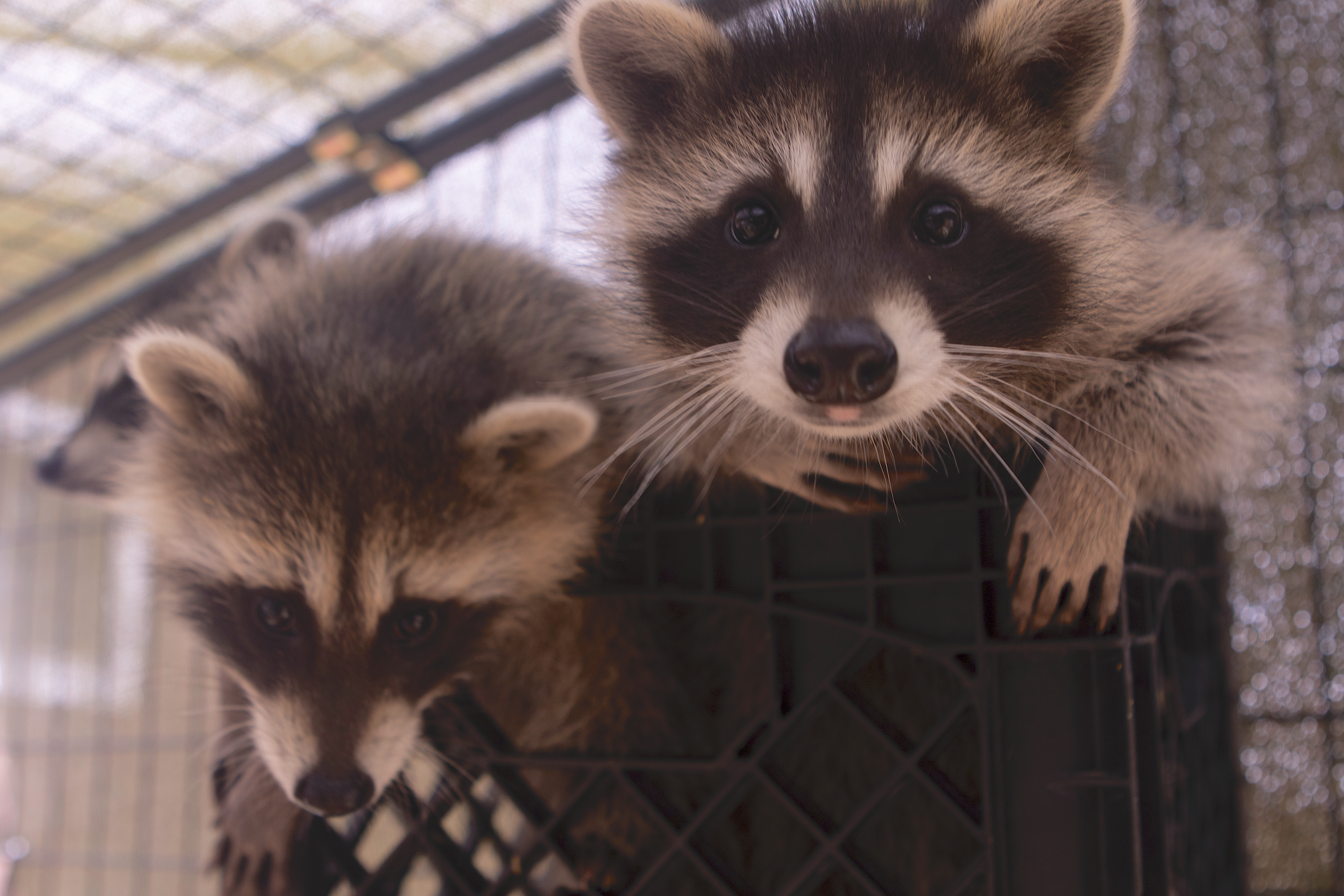
Blankets to be washed, kiddie pools and swing sets sit out front with her shoes locked in a cage to prevent any mischief from her patients: raccoons.
Hansen is one of two certified animal rehab clinicians in Wyoming. She works to rehabilitate and vaccinate raccoons, squirrels and other animals that were left in the wild to die.
Her rehab, Little Z’s Wildlife Rehab, gives animals a chance to go back to the wild.
Animal rehabilitation requires a license by the Wyoming Game and Fish Department, and it lets off some of the pressure for Game and Fish to euthanize every injured or abandoned animal in the state.
This summer, Hansen has taken in 13 raccoons from all over the state, but that’s down from previous years. She and others aren’t sure what is different this year compared to previous, but she speculates it’s because of the historically mild winter.
Hansen estimated she had nearly 300 come into her rehab last year for care and vaccines; so far this year, she’s only taken in 70.
“Parasites are incredibly high because we didn’t have a winter,” Hansen said. “Fleas, the worms, the flies are awful because nothing died this winter because of the lack of water.”
Other animals, such as rabbits, have yet to be released. Hansen said she would have normally released 75. This year, she’s only released 10.
“The handful of rescues in the state are slammed,” she said. “No one’s really sure why. It’s a very strange year.”
Hansen said that she’s seen more animals sitting on the side of the road looking for any sort of food they can find.
She’s also seen an increase in Rabbit Hemorrhagic disease, a virus that only transfers between rabbits that causes rapid liver failure and internal bleeding.
“We need a winter,” Hansen said.
This past winter was one of the warmest in recorded Wyoming history since the Dust Bowl during the 1933-34 winter.
The National Weather Service’s Riverton office posted record-breaking average temperatures in multiple towns using the NWS’s climate stations, including in Buffalo, the closest station to Gillette.
Typical seasons are hard enough for an animal rehabber, she said.
Days run long for Hansen as she scrambles to care for her temporary residents.
She wakes up at 4 a.m. some days and has had to forego eating as she confronts the costs of all goods for the babies.
Rehabbing the animals has gotten easier as time has gone on. She became notorious at her job at Rocky Mountain Discount Sports when the young ones had to be fed every two hours. She paraded around the store with a couple of baby raccoons attached to her as she fed them one at a time with a bottle.
Almost all of her paycheck goes back into supporting the animal rehab for raccoons, squirrels and other creatures. A big chunk of her pay goes to the formula to feed babies and the puppy food the growing raccoons eat up.
The community also helps with gift cards to Tractor Supply Co. for vaccines and other supplies for animal laundry, food and fans as the summer heats to record highs across Wyoming.
Her life and work has become scrambled, and it’s all for one reason.
“The babies deserve a chance,” Hansen said.
Hansen spends about a year with all the raccoons that people either hand over or she picks up.
Some of her current residents include some that were abandoned by their parents, while others were raised by another human before that person realized they bit off more than they can chew.
The animals she takes in get vaccinated to prevent the spread of disease in their natural habitat, and they’re also taught to fish, hunt and gather food in the wild.
Much of their time is spent in a big cage in the front yard.
A lot of them bunch up together in some of the milk crates attached to the wall of the crate. The shyer ones hide in what looks like a big chicken coop as they learn to adapt to human contact for the time being.
Eventually though, they’re released to somewhere with plenty of trees and food for them, such as the Black Hills. To protect them from nosy humans, Hansen doesn’t tell anyone where the animals go.
In the middle of the day, Hansen said, she could use a nap. It’s hard work, but she feels it makes a difference even for little guys like raccoons or squirrels.
Mixing in healthy animals to the gene pool makes a big difference.
“I’ve just always been an animal person, and once I really saw how much death there was, that didn’t seem necessary to me,” Hansen said. “I’ve heard from a lot of people, ‘Raising one doesn’t matter, you’re just wasting time and energy.’ No, we’re really not. We’re putting back healthy, strong genes…and even if the squirrels and the rabbits that I released become someone’s dinner...That’s the way it goes.”
This story was published on August 4, 2026.
Ensure These Stories Are Told
Despite the challenges facing independent local journalism, what sustains us — and fills us with deep gratitude — is the loyal support of readers who believe our communities deserve accurate, trusted, and locally rooted news.
It is no exaggeration to say that we are here because of you. Every story we report, every local issue we follow, every public meeting we cover, and every community voice we lift up is made possible by readers who understand the value of an independent newspaper.
Your support does more than fund articles. It helps protect the independence that allows us to report honestly, ask important questions, and keep our community informed without fear or favor.
If you are able, please consider supporting the News Letter Journal by donating to our Unabridged Fund today. Whether your gift helps cover reporting time, printing costs, video, photography, editing, or distribution, every contribution helps keep local journalism strong in Wyoming.
All gifts are deeply appreciated. Your support helps ensure that local stories continue to be told, local decisions continue to be watched, and local voices continue to be heard.
Thank you for standing with independent community journalism.