


From Empty Yard to Finished Landscape: Where Do You Start?
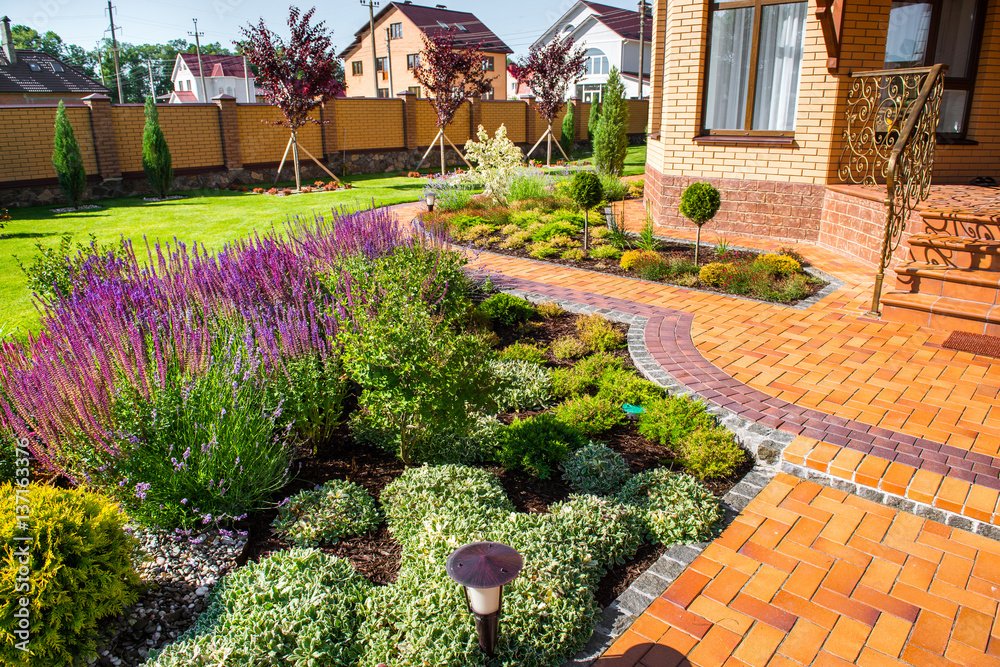
An empty yard can feel full of possibilities. You might picture a shady place for summer afternoons, colorful beds near the house, or a patio where family and friends can gather. But that blank space raises one big question: What should happen first?
For homeowners across northeast Wyoming and southwest South Dakota, the answer often starts with the land itself. Strong winds, dry stretches, cold winters, and varied soil conditions can influence everything from plant choices to irrigation. When turning an empty yard into a finished landscape, getting familiar with the property before buying plants can save you plenty of frustration later.
Get Acquainted With Your Property First
Before sketching flower beds or picking out shrubs, spend some time watching what happens outside. Notice which areas receive direct afternoon sun and where the house creates shade. After rain, look for low areas that stay wet and slopes where water disappears quickly.
Soil should be considered early because its type influences drainage and plant growth, making it worthwhile to research before finalizing a design.
As you look around, a few questions can bring the site into focus:
- Where does water travel after rain or snowmelt?
- Which areas receive the strongest sun or wind?
- Where could drifting snow affect future plants?
- Which views do you want to preserve?
These observations create a useful foundation for the choices that follow. They can also keep an appealing landscaping idea from landing in the wrong part of the property.
Give Every Part of the Landscape a Job
Once you understand the site, consider how you want to spend time there. An outdoor space should support daily life rather than make you work around its design.
For instance, an outdoor dining area needs convenient access to the house. Families may want an open patch of lawn for play, while gardeners might value sunny growing space over a larger patio. On a spacious rural or edge-of-town lot, preserving an open view may matter as much as adding another planting bed.
Sketch these larger zones before worrying about decorative details. Paths can follow the routes people naturally take between them, while trees and beds can frame spaces without interrupting movement.
Consider future projects at this stage, too. If a patio, shed, fence, or drainage improvement may come later, leave enough room for that work now. Mature plantings become much harder to rearrange once roots spread and plants settle in.
Choose Plants That Can Handle High Plains Weather
A beautiful plant at the garden center still needs to survive after being transplanted. In Wyoming and western South Dakota, this might mean facing exposed sites, dry periods, and winter weather.
Homeowners should also think about local growing conditions when selecting plants. Native species are worth considering because they have adapted to regional conditions over time. Depending on the species and planting site, they may require less watering once established and can support local wildlife.
The finished space doesn’t need to resemble untouched prairie. Lawn can still have a place, and ornamental beds can bring color closer to the house. Matching plants with sunlight, soil, available moisture, and mature size gives each one a better chance of thriving without demanding constant attention.
Figure Out Watering Before the Plants Arrive
Plant selection and watering go hand in hand. Once you know what will grow where, consider how water will reach those areas without creating an exhausting summer routine.
Wind deserves particular attention on exposed properties. Strong breezes can carry sprinkler water away from its intended area while increasing evaporation. Watering during calmer parts of the day can reduce waste, while drip irrigation may help direct moisture closer to plant roots in garden beds.
Grouping plants according to similar moisture needs can also simplify upkeep. Drought-tolerant shrubs beside plants that demand frequent watering create an awkward irrigation setup and may leave you spending more time adjusting sprinklers than enjoying the space.
You don’t need an elaborate system for every planting area. You do need a realistic way to care for what you add, especially while young trees and new plantings establish their roots.
Know When the Project Needs Professional Input
Many homeowners can comfortably tackle planting beds or smaller outdoor updates themselves. Projects involving major grading, drainage changes, retaining structures, or detailed construction plans may benefit from professional guidance.
Landscape architects consider site conditions, land use, and outdoor design, and some projects may require stamped professional drawings. In those situations, a landscape architect’s stamp signifies professional responsibility for the plans or documents it covers.
Requirements can vary according to location and project scope. A conversation with the appropriate local building or planning office can clarify which plans, permits, or professional services may apply before major work gets underway.
Put the Messy Work Ahead of the Pretty Work
Once the layout feels settled, build before you finish. Heavy equipment and excavation can damage new plants, while later drainage work may disturb areas you already spent time improving.
Address major grading and drainage needs early. Patios, retaining walls, primary walkways, and other hardscape features should also take shape before nearby beds fill with plants. Following that sequence keeps heavy construction away from areas that have already started growing.
Larger trees and shrubs can come next because their mature size will influence surrounding spaces for years. Focusing on mature height and spread rather than nursery size helps prevent crowded beds or trees planted too close to buildings.
There’s no pressure to finish everything in one season. Spreading the work across several growing seasons can make a large project easier to manage while giving you time to see how completed areas respond to weather and everyday use.
Give the Landscape Time to Settle In
New plantings rarely reach their best appearance on installation day. Trees need time to branch out, perennial beds gradually fill open patches, and the property will reveal little quirks once you spend more time outside.
You may notice that afternoon shade falls farther than expected or that everyone naturally walks across a different part of the lawn. Those observations can guide small changes without sending the whole design back to the drawing board.
When moving from an empty yard toward a finished landscape, patience belongs in the process. A design that responds to the land, regional weather, and the way your household uses the space has room to mature naturally. Over the coming growing seasons, those individual choices can settle into an outdoor setting that feels like it belongs with the home and the surrounding High Plains.