


A Cost-Savings Analysis of Automatic Crimping Machines
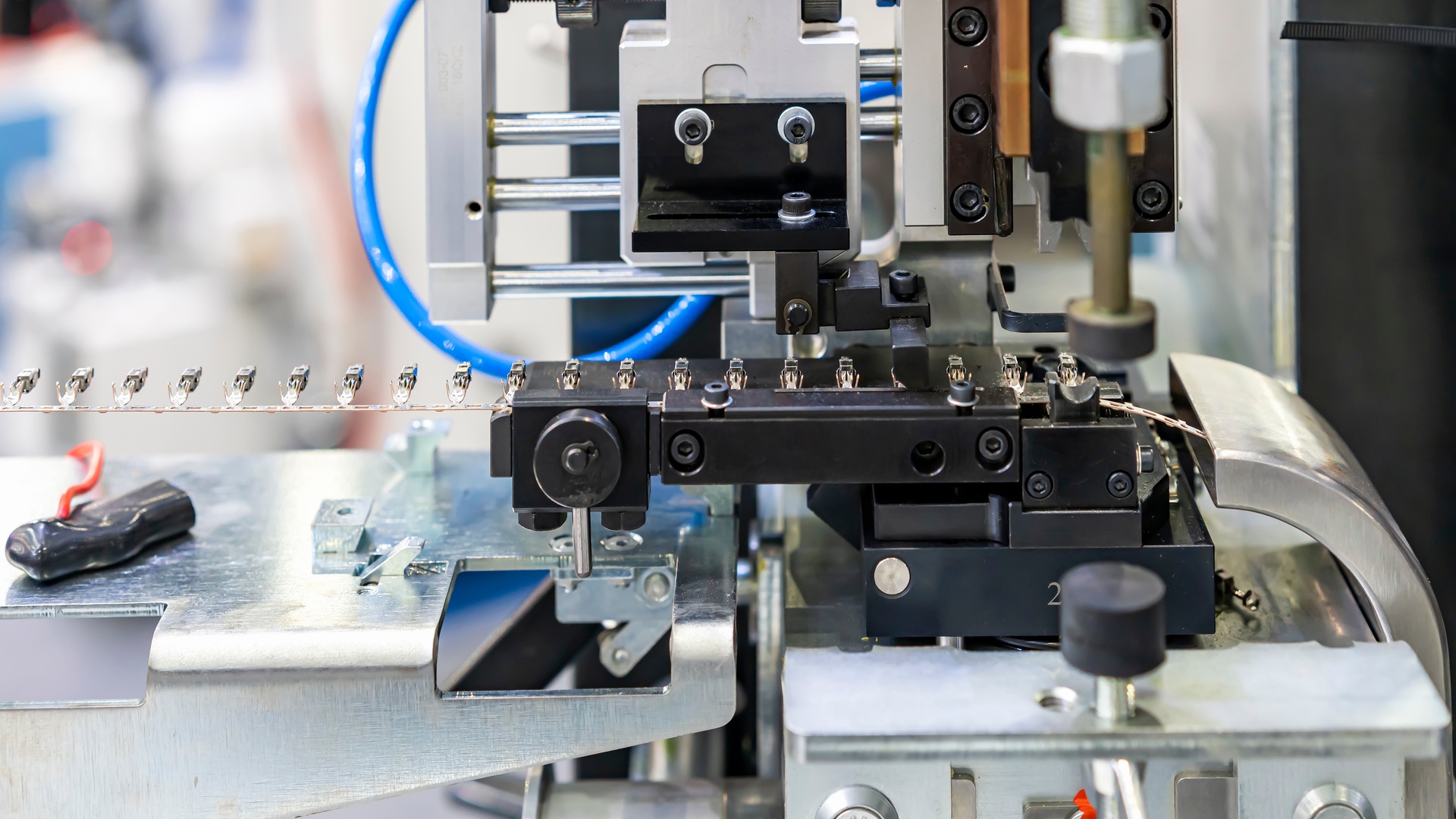
Manufacturing facilities aim to cut costs while maintaining quality, and automatic crimping machines offer an effective solution. These devices create secure electrical connections with precision and consistency, streamlining operations. In this article, we’ll present a cost-savings analysis of automatic crimping machines, showing how they save companies on labor costs, production speed, and material waste.
Initial Investment Considerations
Purchasing an automatic crimping machine requires significant upfront capital. High-volume production facilities may invest even more in advanced multi-station systems. However, this initial expense serves as the foundation for substantial ongoing savings across multiple operational areas.
The investment includes the machine and the training costs, installation expenses, and any necessary facility modifications. Smart buyers factor these additional costs into their total investment calculations to ensure accurate ROI projections.
Labor Cost Savings Transform Operations
Manual crimping operations demand skilled technicians who can maintain consistent quality while working at reasonable speeds. Automatic machines eliminate the need for dedicated crimping personnel, allowing companies to reassign workers to higher-value tasks or reduce overall staffing requirements.
A single automatic crimping machine can replace two to four manual operators, depending on production volume and complexity. With average manufacturing wages continuing to rise, these labor savings compound over time.
Material Waste Reduction Improves Bottom Line
Precise crimping requires exact force application and positioning accuracy. Human operators inevitably produce some defective connections that require rework or disposal. Automatic crimping machines deliver consistent results with minimal variation, dramatically reducing material waste.
Quality automatic crimpers maintain crimping force within tight tolerances to confirm proper connections every time. This precision eliminates the costly cycle of identifying defective crimps, removing components, and reprocessing materials.
Increased Production Speed Drives Revenue
Human capabilities and fatigue factors inherently limit manual crimping operations. Experienced operators may complete 200-400 crimps per hour, while automatic machines easily achieve 2,000-6,000 crimps per hour. This dramatic speed increase allows manufacturers to fulfill larger orders, reduce lead times, and capture additional revenue opportunities.
Higher production rates also improve equipment utilization and reduce per-unit manufacturing costs. Facilities can process more orders with existing infrastructure, maximizing return on factory space and supporting equipment investments.
Reduced Error Rate Minimizes Rework
One of the ways to avoid the hidden costs of poor wire crimping is with an automatic crimping machine. Human error represents a significant cost factor in manual crimping operations. Fatigue, distraction, and skill variations contribute to inconsistent results that require expensive rework or component replacement.
Consistent crimping quality reduces warranty claims, customer complaints, and field failures. These quality improvements protect brand reputation while avoiding costly remedial actions.
Maximizing Long-Term Returns
We hope our cost-savings analysis of automatic crimping machines has opened your eyes to the quality and benefits of automated crimpers. Automatic crimping machines offer significant financial benefits through labor savings, waste reduction, increased productivity, and better crimping quality. Beyond cost savings, they enhance competitiveness, customer satisfaction, and production flexibility, making them a strategic investment for manufacturers handling high volumes of crimped connections and seeking sustainable profitability.