


Construction Material Disposal: Clean Job Site Tips
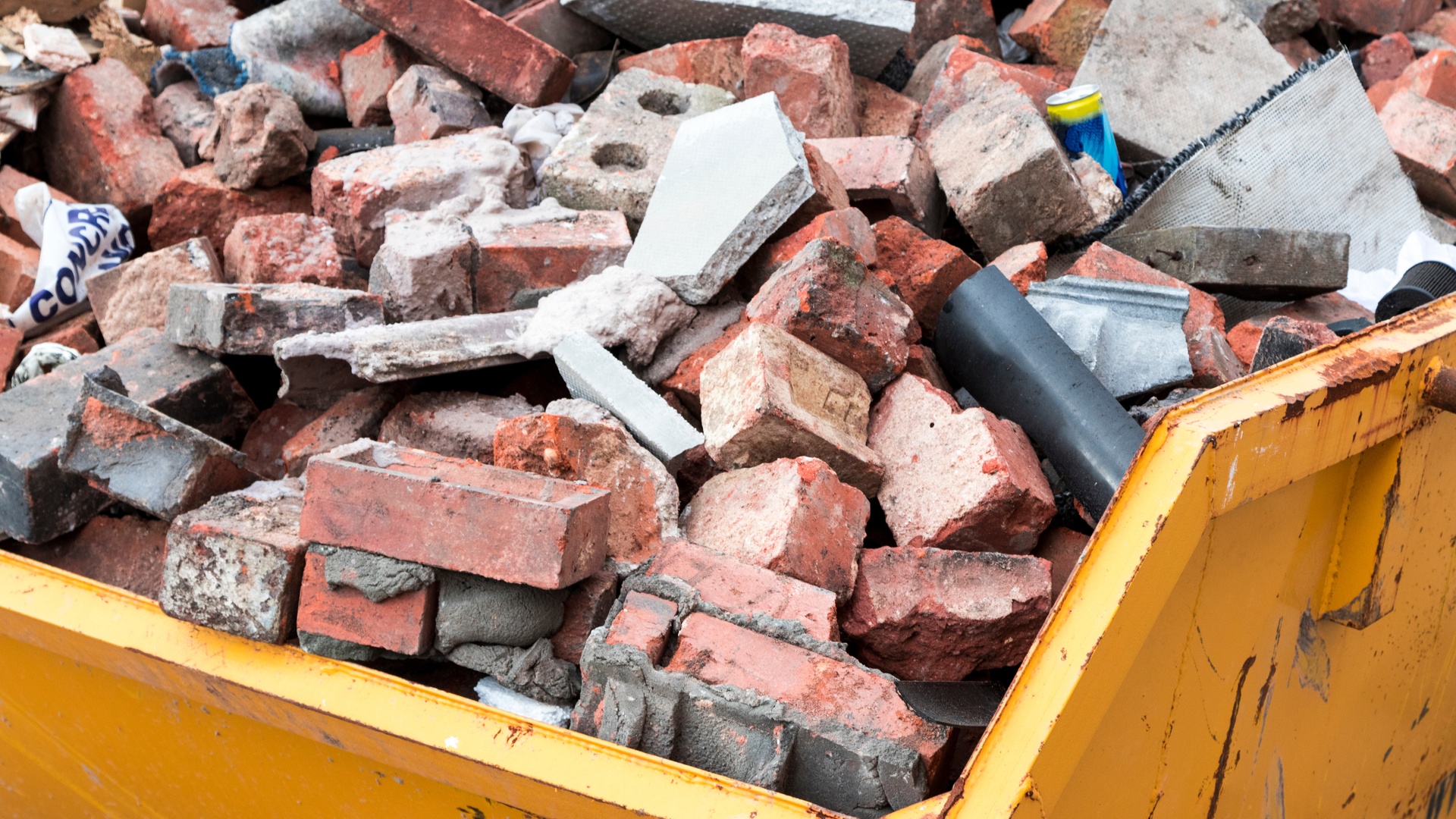
Effective material disposal keeps construction projects running smoothly and safely. Poor waste management creates hazards, delays schedules, and increases costs across commercial and residential job sites. Smart disposal strategies protect workers, maintain project timelines, and ensure regulatory compliance.
Construction sites generate various waste materials daily, from concrete debris and metal scraps to packaging materials and demolished structures. Managing these materials efficiently requires planning, proper equipment, and systematic approaches that prioritize safety and productivity.
Plan Your Disposal Strategy Before Breaking Ground
Successful material disposal begins during project planning phases. Identify the types and volumes of waste your project will generate, then secure appropriate disposal containers and scheduling arrangements. Contact local waste management companies to arrange dumpster deliveries and pickup schedules that align with your construction timeline.
Designate specific areas on your job site for different material types. Separate recyclable metals, concrete, and wood from general construction debris to maximize recycling opportunities and reduce disposal costs. This organization prevents contamination and makes sorting more efficient throughout the project duration.
Research local recycling facilities and disposal regulations before starting work. Many municipalities require specific disposal methods for certain materials, and understanding these requirements prevents costly violations and delays.
Use the Right Equipment for Efficient Material Handling
Proper equipment streamlines material disposal and reduces labor requirements. Commercial crews use hoppers to save time when moving large volumes of debris from work areas to disposal containers. These attachments transform standard skid steers into material handling powerhouses, allowing single operators to transport significant amounts of waste quickly and safely.
Select disposal containers appropriate for your material types and project scale. Roll-off dumpsters work well for general construction debris, while specialized containers may be necessary for hazardous materials or recyclables. Size containers appropriately to avoid frequent pickups that disrupt workflows.
Consider equipment rental options for short-term projects or specialized disposal needs. Renting allows access to appropriate tools without long-term investment commitments, particularly beneficial for contractors handling varied project types.
Maintain Safety Standards Throughout Disposal Operations
Safety remains paramount during all disposal activities. Train workers on proper lifting techniques, equipment operation, and hazardous material identification. Provide appropriate personal protective equipment including hard hats, safety glasses, and cut-resistant gloves when handling sharp debris.
Establish clear pathways between work areas and disposal containers to prevent accidents and maintain efficient material flow. Mark these routes clearly and keep them free from obstacles that could cause trips or equipment collisions.
Implement regular site cleanup schedules rather than allowing debris to accumulate. Daily cleanup routines prevent hazard buildup and maintain professional site appearances. Schedule these activities during natural breaks in work to minimize disruption to primary construction tasks.
Monitor disposal containers regularly to prevent overfilling, which creates safety hazards and pickup complications. Schedule timely replacements to maintain continuous disposal capacity throughout your project timeline.
Streamline Your Next Project's Waste Management
Effective construction material disposal requires advance planning, appropriate equipment, and consistent safety practices. These strategies reduce project costs, improve site safety, and maintain regulatory compliance across all construction phases.