


Caring for Loved Ones During Temperature Changes
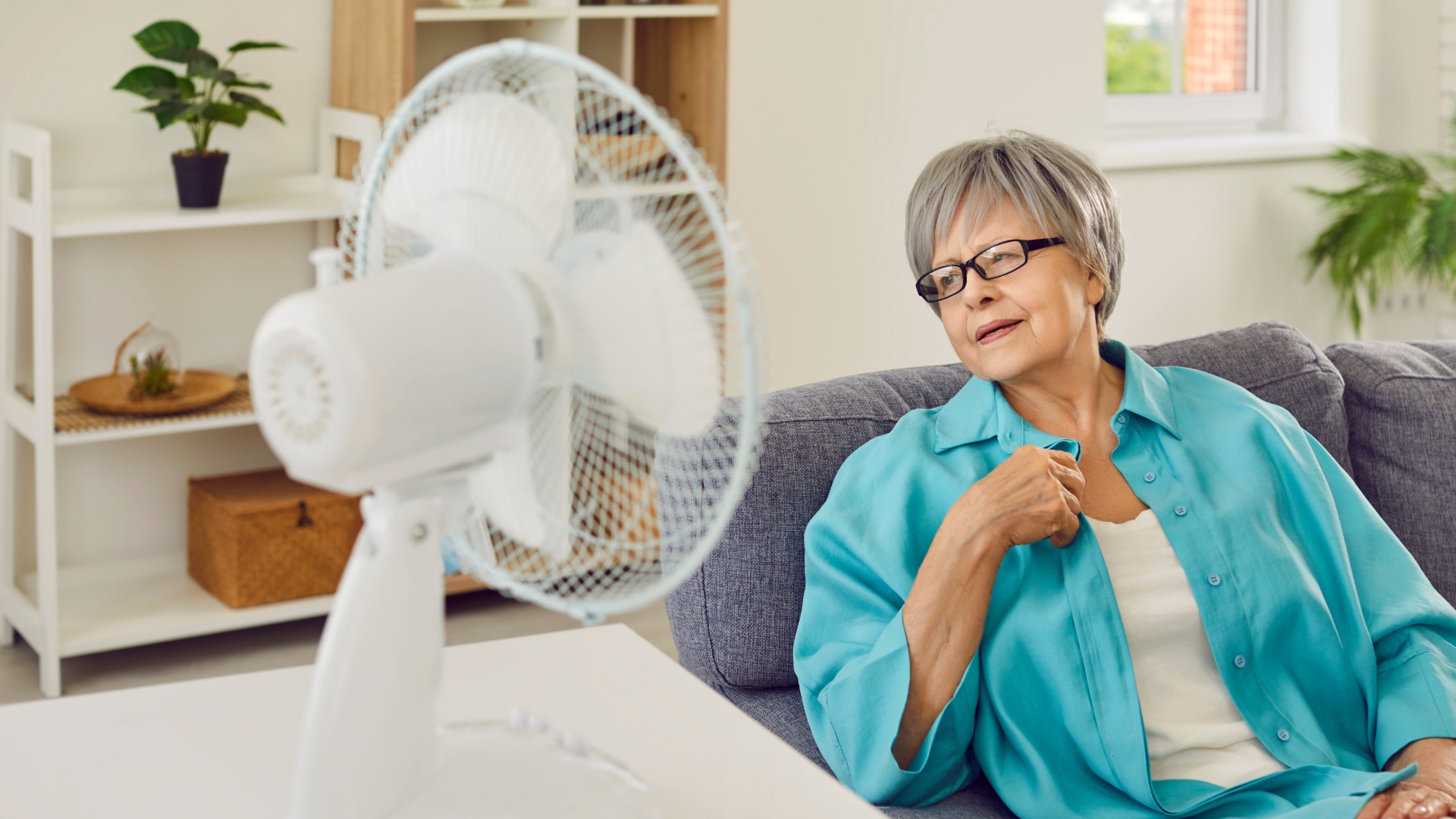
How do you care for loved ones during temperature changes? When the weather gets too hot or too cold, your older family member may have a harder time keeping their body temperature in a safe range. Discomfort can build quickly, and in extreme conditions, the risk of heatstroke or hypothermia may rise. Here are four tips for keeping them cool or warm, depending on the season.
Watch for Early Warning Signs
Your loved one may not always say they're uncomfortable. Heat exhaustion shows up as dizziness, heavy sweating, and nausea before it becomes something worse. Cold stress looks like shivering, pale skin, or confusion that comes on gradually. If you notice any of those, act on it right away rather than waiting to see if it passes. Temperature-related illness moves faster in older adults because their bodies take longer to adjust.
Keep the Indoor Temperature Consistent
Swinging between a cold bedroom and a warm living room adds stress to a body that already struggles to self-regulate. Set the thermostat to a steady range and resist the habit of turning it way down at night to save on the bill. For most older adults, somewhere between 68 and 74 degrees Fahrenheit keeps them in a comfortable zone without pushing their body to compensate.
Layer Clothing Instead of Relying on One Heavy Piece
Layered clothing keeps your loved one from getting stuck with one temperature choice all day. A thick sweater may work in the morning, then become too warm by afternoon. With thinner layers, you can remove or add one piece as the room or weather changes.
Loose cotton works better in heat because it allows air to move around the skin. In cold weather, a light extra layer adds warmth without making the room too hot. Avoid tight cuffs around the wrists or ankles because they can restrict circulation and make temperature changes harder on the body.
Use the Right Blanket When the Cold Sets In
When the weather gets cooler, your loved one may mention feeling cold even indoors. Older adults tend to lose heat quickly through areas like their feet, hands, and shoulders. The fastest way to warm them up is by covering them with a blanket. While any blanket will help, your best options are thermal and fleece blankets, which trap warmth and retain heat without adding too much bulk or weight.
Small Seasonal Shifts Add Up
Caring for loved ones during temperature changes doesn't take a full routine overhaul. Watch for early signs of discomfort, keep the indoor environment consistent, and adjust clothing or bedding as the seasons shift. Your loved one's body is working harder than it looks to stay regulated, and small adjustments from you can reduce the stress these changes place on them.