


Building a High-Horsepower Car: Mistakes To Avoid
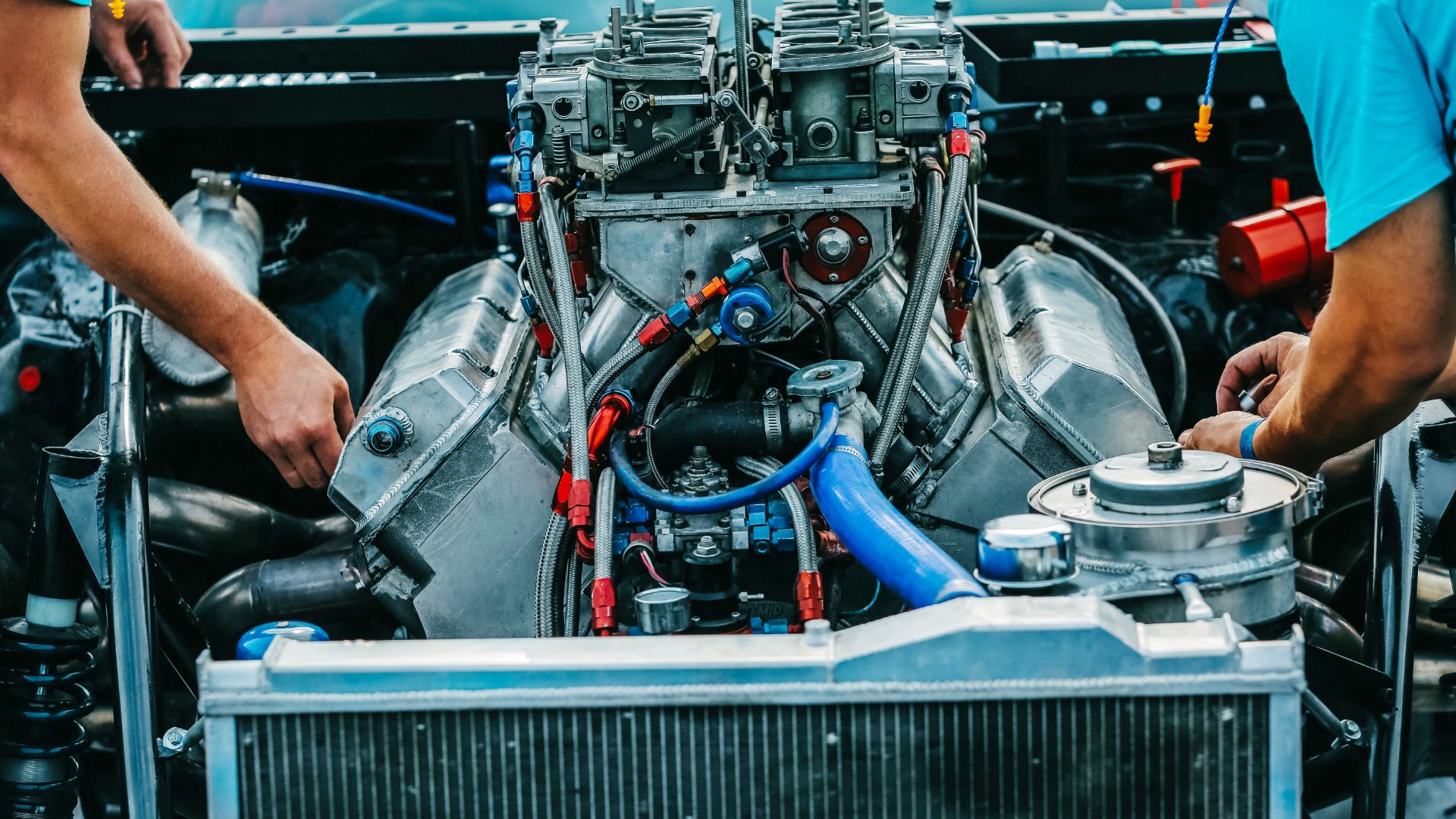
Building a powerful car sounds simple from a distance. Add boost, improve airflow, tune the engine, and enjoy a dramatic jump in horsepower. Yet successful builds require much more than a collection of impressive parts. Every increase in engine output places new demands on the fuel system, cooling system, transmission, clutch, tires, brakes, suspension, and driver.
That matters across northeast Wyoming and southwest South Dakota, where a performance car may encounter hot summer pavement, cold starts, long highway stretches, changing elevations, and limited access to specialty repair shops. A dependable high-performance build must work as a complete machine, not merely produce an exciting number on a dynamometer. Below, we identify some of the most prominent mistakes to avoid when building a high-horsepower car.
Mistake 1: Chasing Horsepower Before Defining the Car’s Purpose
A builder should decide how they will use the car before selecting major parts. A weekend cruiser, drag-strip car, autocross project, highway machine, and daily driver each require a different balance of power, response, comfort, durability, and traction.
A street car needs predictable behavior in traffic and enough cooling capacity to handle low-speed driving. A drag car may prioritize launch performance and straight-line strength. A road-course car must manage sustained heat through repeated laps. Parts that work well in one setting can make another type of driving frustrating or unreliable.
Peak Power Does Not Tell the Whole Story
Dyno numbers attract attention, but they do not describe how a car behaves on the road. Two engines can produce the same peak horsepower while delivering power in completely different ways. One may build torque smoothly, while another may create a sudden surge that overwhelms the tires and drivetrain.
A broad, manageable powerband can make a car faster and more enjoyable than a setup that delivers one dramatic burst near redline. Builders should consider throttle response, torque delivery, gearing, vehicle weight, and traction instead of treating peak horsepower as the only measure of success.
Mistake 2: Treating the Engine as a Standalone Project
Another mistake to avoid when building a high-horsepower car is focusing solely on the engine. More power requires more air and fuel, but it also produces more heat and cylinder pressure. Installing a larger turbocharger, supercharger, camshaft, or aggressive tune without supporting upgrades can expose weaknesses throughout the engine system.
Fuel pumps, injectors, lines, sensors, cooling components, ignition parts, and engine internals must support the output. A lean fuel mixture, inadequate spark, or excessive intake temperature can quickly damage an expensive engine. Careful tuning and accurate monitoring matter as much as the hardware itself.
Cooling Deserves Its Own Plan
Heat can limit a performance build long before the engine reaches its theoretical power limit. A larger radiator, efficient fans, improved airflow, an oil cooler, and a properly sized intercooler may prove more valuable than another round of power modifications.
Builders should also examine how air moves through and around the vehicle. An oversized intercooler can block airflow to the radiator, while tightly packed components can trap heat under the hood. Cooling upgrades must work together rather than compete for limited airflow.
Mistake 3: Ignoring the Drivetrain Until Something Breaks
The engine may create the power, but the drivetrain must transfer it to the pavement. A stock clutch, transmission, driveshaft, differential, or axle can become the weak link after a significant increase in torque.
Clutch selection deserves particular attention in a manual-transmission car. An excessively aggressive clutch may hold power but create harsh engagement, heavy pedal effort, chatter, or difficult street manners. An undersized clutch may slip, overheat, and wear rapidly under load.
Match the Clutch to Torque and Use
As power rises, adding stronger friction material and greater clamping force to a single-disc clutch can create drivability compromises. This is why many high-horsepower builds need multi-disc setups. A multi-disc design increases friction surface area and spreads the load across multiple discs, which can provide greater torque capacity without relying entirely on extreme pedal pressure.
The correct choice depends on torque output, vehicle weight, tire grip, gearing, and driving conditions. A heavy car with sticky tires can place far more stress on a clutch than a lighter car making similar horsepower. Builders should select drivetrain components around real operating loads, not engine numbers alone.
Mistake 4: Adding Power Without Improving Control
A car cannot use power effectively if the tires cannot maintain traction or the brakes cannot control speed. Extra horsepower can expose worn suspension bushings, weak dampers, poor alignment, inadequate tires, and limited braking capacity.
Tires create the car’s connection to the road. Their compound, width, temperature range, and condition influence acceleration, braking, and cornering. A performance tire designed for warm pavement may become less effective during a cold Black Hills morning, while a tire for daily use may struggle during frequent hard launches.
Brakes and Suspension Build Confidence
Brake upgrades should involve more than installing large calipers for appearance. Quality pads, suitable rotors, fresh fluid, strong hoses, and proper cooling can improve consistency and pedal feel. The system should match the vehicle’s speed, weight, tire grip, and use.
Suspension changes also require balance. Extremely stiff springs or a very low ride height can reduce control on uneven roads. A well-matched combination of springs, dampers, bushings, sway bars, and alignment settings can help the car remain stable without making every rough patch feel punishing.
Mistake 5: Building the Entire Car in One Leap
A large collection of upgrades can create a difficult troubleshooting problem. When the engine, fuel system, electronics, clutch, suspension, and cooling system all change at once, the builder may struggle to identify the cause of a new noise, warning light, drivability issue, or fluid leak.
A staged approach provides clearer feedback. The builder can install a group of related parts, verify proper operation, collect data, and correct problems before moving to the next phase. This method may feel slower, but it can prevent frequent labor and protect costly components.
Leave Room in the Budget for the Unseen
Parts represent only one portion of the expense. Tuning, fabrication, fluids, fittings, sensors, fasteners, machine work, alignment, and unexpected repairs can add significantly to the final cost. A used performance part may also require cleaning, testing, rebuilding, or modification before installation.
The budget should include maintenance items as well. Fresh belts, hoses, seals, engine mounts, wheel bearings, and ignition components may lack visual excitement, but they can determine whether the car spends its summer on the road or on jack stands.
Build a System, Not a Dyno Number
The best performance cars feel cohesive. The engine responds cleanly, the cooling system controls temperature, the drivetrain handles torque, the tires find grip, and the brakes provide predictable stopping power. No single component must carry more stress than it can manage.
A thoughtful build also leaves room for refinement. Data from test drives, track sessions, inspections, and tuning logs can reveal where the car needs improvement. By avoiding shortcuts and choosing components as part of a complete system, builders can create a car that delivers speed, control, and confidence mile after mile.