


BLM plans horse gather for Fifteenmile herd
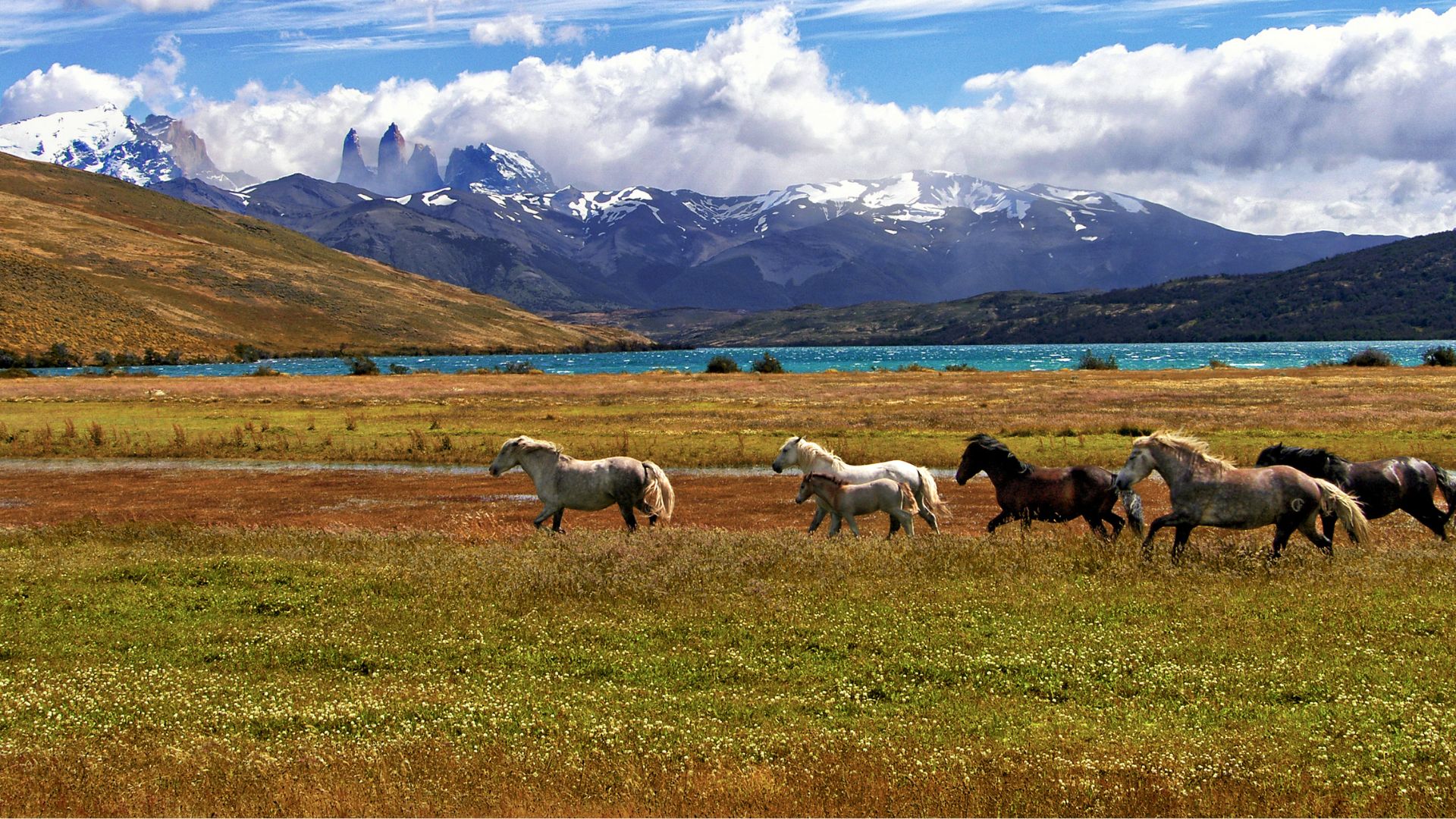
WORLAND — On Sept. 15, the Bureau of Land Management will conduct a wild horse gather at the Fifteenmile Horse Management Area located approximately 30 miles northwest of Worland. This HMA consists of around 81,000 acres of predominantly public land.
It’s hard to picture these untamed iconic symbols of the American West tied to any kind of bureaucracy, but in Wyoming, herd management lands squarely on the shoulders of the BLM.
If left unchecked, a spokesperson for BLM says, wild horse populations grow at a rate of around 15-25% per year, doubling in size every four to five years.
Most herds have no natural predators. This means without human intervention, as populations grow, the horses are in danger of starving or dying of thirst when resources within the HMA become scarce.
Additionally, when herd growth exceeds the land's ability to regenerate, bands of horses break off and leave the HMA in search of food and water. This increases the risk of their being hit by a car, becoming a nuisance on private land or getting caught up in fencing and other hazards.
This could be what led some horses to exit the Fifteenmile HMA. Escapees from the designated area made their way toward Worland, and earlier this summer a small group of six or seven horses were spotted checking things out near the gravel road leading to the Worland Shooting Complex.
According to the BLM spokesperson, the first ever recorded wild horse gather on federal rangeland occurred in October 1938 within the Fifteenmile HMA. The last one to take place there was in October 2019 when the population was estimated to be 700 horses. Of those, 607 were removed, 95 were returned to the range, and 107 were left in the Herd Management Area.
Ideally, the number of horses in that area should be between 100 and 230 horses at a 60:40 male-to-female ratio, adjusted accordingly to slow population growth. Fertility control, another population management measure, has not been used on the Fifteenmile mares.
An infrared aerial survey of the Fifteenmile HMA in January 2025 documented 258 horses, and the current herd population estimate is around 386 horses.
The main criteria the BLM uses to discern which horses to leave and which to adopt out is based on conformation. Horses with desirable conformation — meaning their body, bones and muscles are structurally sound and proportioned — are returned to the HMA. Color patterns are considered secondarily in hopes of increasing the adoptability.
The horses that are removed from the range are transported to the Rock Springs Wild Horse Corrals where they get checked out by a veterinarian before being prepared for adoption.
A recent New York Times article reported that many horses removed from the range end up being slaughtered via “a legal loop- hole,” a claim which the BLM staunchly denies.
According to a BLM spokesperson, “The law is clear. The BLM does not send wild horses to slaughter. These animals have been protected under federal law since 1971, and current appropriations law prohibits selling or transferring them for processing into commercial products. Most adopters provide good homes, and violations can be referred to law enforcement.”
To bolster protection, the BLM has amended its bill of sale which, according to the BLM website states, “The Bill of Sale now includes strengthened language requiring purchasers to certify they will not knowingly, recklessly, or negligently sell or transfer a horse or burro purchased from the BLM to any individual or organization that intends to process the animal, or its remains, into commercial products, or to facilitate such processing.”
Additionally, the base adoption fee has been changed from $25 to $125, and adopted animals must remain in the United States until titled, which they are eligible for after one year. Finally, the BLM no longer offers the $1,000 adoption incentive for adopting a wild horse or burro.
According to the BLM, some misconceptions people have about wild horse management is that controlling the herd population conflicts with protecting them. However, the BLM asserts herd management ensures the long-term health and safety of the animals.
Wild mustangs can live 15 to 20 years on the range, sometimes longer. Their lifespan is affected by resource availability — which population management helps ensure — as well as weather, injury, disease and competition.
For those interested in viewing a gather, the BLM allows a limited number of people to watch. Those interested in witnessing the Fifteenmile HMA gather must submit their requests to BLM_WY_ Comms@blm.gov no later than 4 p.m. Sept. 14.
In total, Wyoming has 14 HMA’s located throughout the state. The BLM says its overall goal is to ensure healthy wild horses thrive on healthy public lands.
The BLM representative said, “Guided by the Wild Free-Roaming Horses and Burros Act of 1971, the BLM uses humane, science-based practices and works with dedicated partners and adopters. This program is about responsible stewardship — protecting wild horses and burros while ensuring the lands they depend on remain healthy for generations to come.”
Anyone concerned about the mistreatment of wild horses or burros is encouraged to contact the BLM at 1-866-468-7826 or wildhorse@blm.gov.
This story was published on Sept. 11, 2026.
Ensure These Stories Are Told
Despite the challenges facing independent local journalism, what sustains us — and fills us with deep gratitude — is the loyal support of readers who believe our communities deserve accurate, trusted, and locally rooted news.
It is no exaggeration to say that we are here because of you. Every story we report, every local issue we follow, every public meeting we cover, and every community voice we lift up is made possible by readers who understand the value of an independent newspaper.
Your support does more than fund articles. It helps protect the independence that allows us to report honestly, ask important questions, and keep our community informed without fear or favor.
If you are able, please consider supporting the News Letter Journal by donating to our Unabridged Fund today. Whether your gift helps cover reporting time, printing costs, video, photography, editing, or distribution, every contribution helps keep local journalism strong in Wyoming.
All gifts are deeply appreciated. Your support helps ensure that local stories continue to be told, local decisions continue to be watched, and local voices continue to be heard.
Thank you for standing with independent community journalism.