


The Biggest Challenges DIY Builders Face
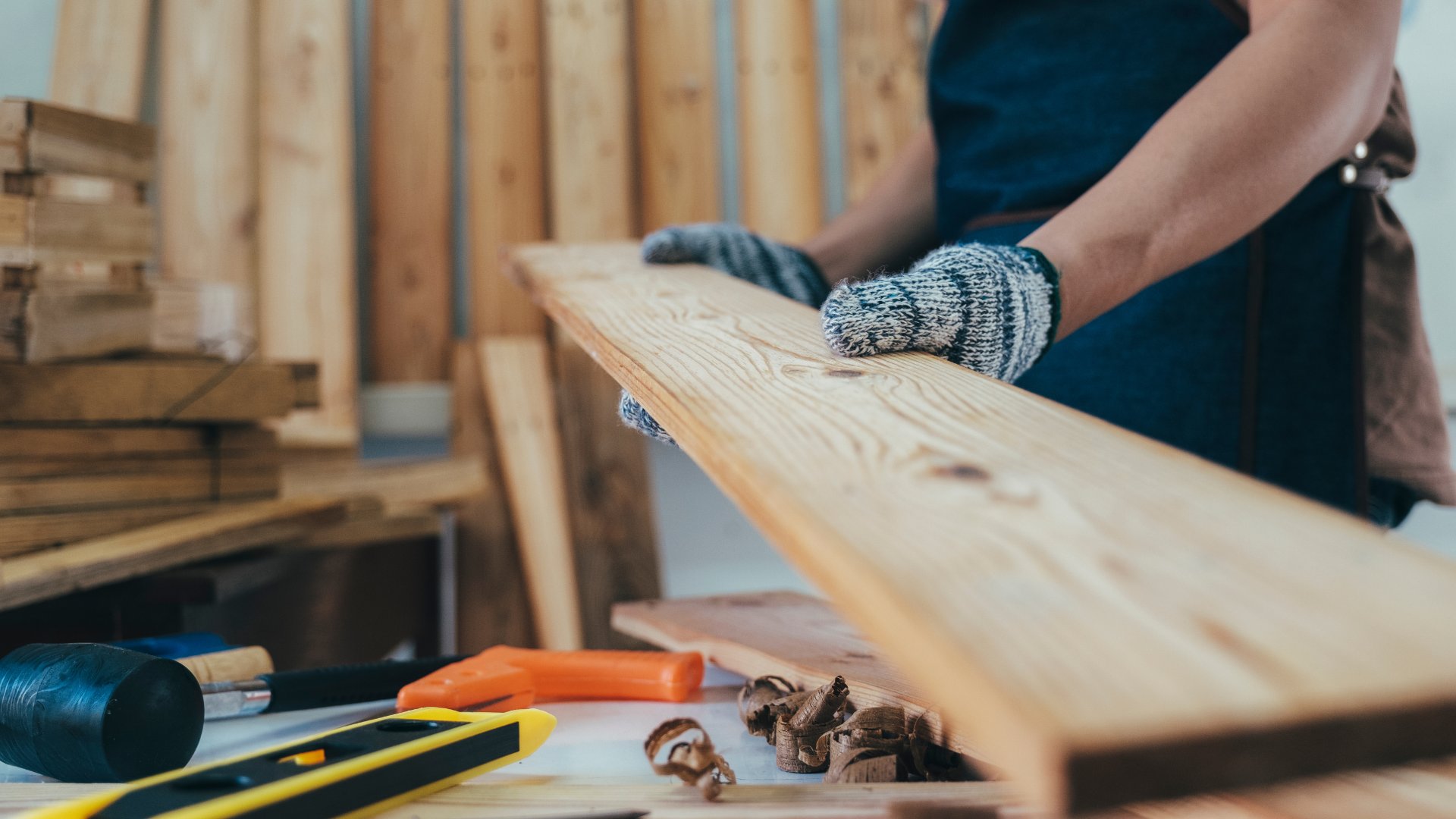
Taking on a DIY building project can save money, teach valuable skills, and give you complete control over the finished result. Many people enjoy the satisfaction that comes from creating something with their own hands. However, even motivated builders run into obstacles that slow progress or increase costs. Knowing the most common challenges of DIY building ahead of time helps you prepare and complete your project with better results.
Underestimating the Scope of the Project
Many DIY builders start with confidence but fail to realize how much work a project actually requires. Building projects involve planning, measuring, purchasing materials, preparing the site, assembling components, and handling unexpected issues.
Instead of focusing only on the finished structure, break the project into smaller phases. Estimate the time, materials, and labor for each step. This approach helps you stay organized and prevents the project from becoming overwhelming halfway through.
Poor Planning Before Construction Begins
A successful build starts long before the first board gets cut. Rushing into construction without detailed plans often creates expensive setbacks later.
Spend time reviewing blueprints, checking local building requirements, and confirming material quantities. Double-check measurements before placing orders. Careful preparation reduces waste and minimizes delays caused by missing supplies or incorrect dimensions.
Choosing the Wrong Materials
Not every material works well for every application. Some DIY builders select products based only on price without considering durability, weather resistance, or maintenance needs.
Research the materials that best fit your climate and intended use. Investing in higher-quality products often saves money over time because they last longer and require fewer repairs.
Buying Too Few or Too Many Supplies
Estimating material quantities can challenge even experienced builders. Ordering too little forces additional trips to suppliers and delays construction. Ordering too much leaves you with expensive leftovers.
Before you make any purchases, be sure to:
- Measure every section carefully.
- Add a small allowance for waste.
- Compare your calculations with manufacturer recommendations.
- Keep a written inventory of purchased materials.
- Organize deliveries so supplies arrive when you need them.
A little extra planning helps you avoid unnecessary expenses throughout the project.
Ignoring Site Preparation
Many builders become excited about construction and overlook the importance of preparing the building site. Uneven ground, poor drainage, or hidden obstacles can create long-term structural problems.
Remove debris, level the area, and verify drainage before construction begins. If utilities run beneath the property, locate them before digging. Spending additional time on preparation creates a stronger foundation for everything that follows.
Relying Too Much on Online Tutorials
Online videos provide excellent introductions to many building techniques, but they cannot replace experience or account for every situation. Two projects that appear similar online may require completely different approaches depending on local conditions.
Watch several tutorials instead of relying on one source. Compare recommendations and verify instructions with manufacturer documentation whenever possible. Learning from multiple resources gives you a better understanding of the work ahead.
Making Measurement Errors
One small measurement mistake often creates several additional problems. Incorrect cuts waste materials, delay progress, and increase costs.
Measure carefully before every cut and confirm important dimensions twice. Mark materials clearly and keep measuring tools in good condition. Simple habits like these improve accuracy throughout the project.
Many experienced builders follow the old advice to measure twice and cut once because it consistently prevents costly mistakes.
Overlooking Manufacturer Instructions
Some DIY builders assume every product installs the same way. Unfortunately, manufacturers often design materials with unique installation requirements that affect performance and warranty coverage.
Read every instruction manual before beginning installation. Even if you've completed similar projects before, product specifications may differ.
For example, a common mistake with metal building kits involves skipping important assembly steps or tightening hardware before the frame reaches proper alignment. Following the recommended sequence helps maintain structural accuracy and reduces unnecessary adjustments later.
Working Without the Right Tools
Quality tools improve efficiency and produce cleaner results. Trying to substitute the wrong equipment often leads to damaged materials or unsafe working conditions.
Before starting your project, identify every tool you'll need. Rent specialty equipment instead of purchasing tools you'll only use once. Well-maintained tools also reduce fatigue and help you complete tasks more accurately.
Falling Behind on Organization
Construction sites become cluttered quickly. Loose hardware, scattered tools, and leftover materials slow progress because you spend valuable time searching instead of building.
Create designated storage areas for different supplies. Return tools after each use and remove trash regularly. A clean workspace improves productivity while reducing trip hazards and accidental damage.
Struggling With Budget Management
Unexpected costs appear on nearly every building project. Material price increases, replacement parts, and additional equipment rentals can stretch your budget beyond your original expectations.
Set aside a contingency fund before construction begins. Tracking every purchase also helps you monitor spending and identify areas where you can reduce unnecessary expenses without sacrificing quality.
A realistic budget keeps your project moving even when surprises arise.
Knowing When To Ask for Help
DIY builders often take pride in solving problems independently, but some situations require outside expertise. Electrical work, structural modifications, plumbing, and foundation concerns may exceed your current experience.
Recognizing your limits protects both your investment and your safety. Hiring a professional for specialized tasks can actually reduce costs by preventing expensive mistakes or code violations.
You can still complete most of the project yourself while bringing in qualified professionals only when necessary.
Staying Motivated Through Delays
Nearly every building project encounters setbacks. Bad weather, shipping delays, scheduling conflicts, or unexpected repairs can interrupt your timeline.
Instead of becoming discouraged, adjust your schedule and continue making progress where possible. Focus on smaller tasks while waiting for materials or improved conditions. Steady progress, even at a slower pace, keeps the project moving toward completion.
Patience often becomes one of the most valuable tools any DIY builder can develop.
Making Yourself More Prepared
DIY building projects offer rewarding experiences, but they also demand careful preparation, realistic expectations, and consistent attention to detail. Builders who plan thoroughly, stay organized, use the proper tools, and recognize when they need assistance usually enjoy smoother projects with better outcomes. Every completed project builds confidence and expands your skills, making future construction efforts easier and more successful. Learning from common challenges allows you to avoid unnecessary setbacks while creating a finished structure you can enjoy for years to come.