


The Best Ways To Improve Construction Site Safety
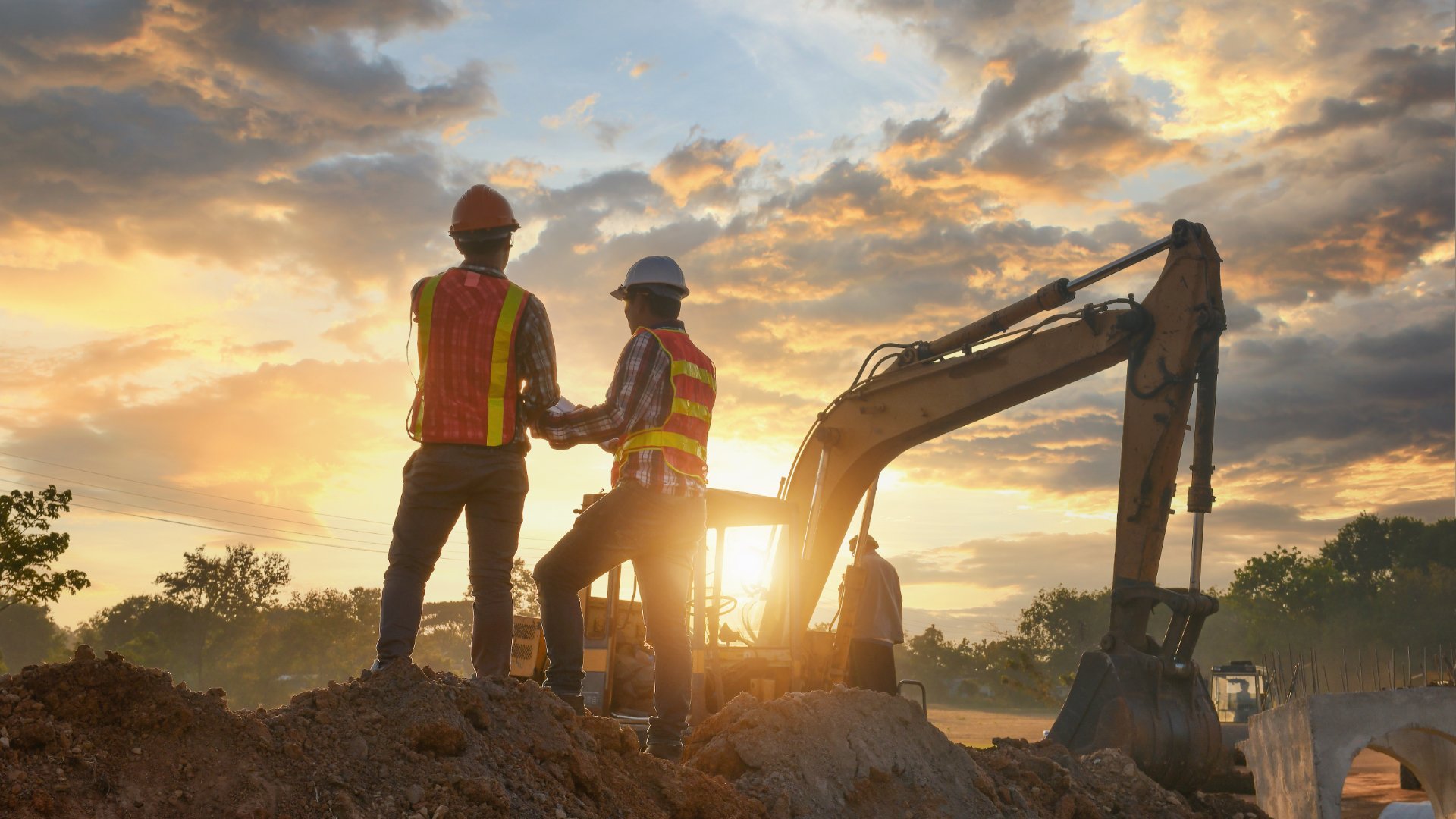
Construction sites move fast, and every project brings new challenges. Heavy equipment, elevated work areas, changing weather, and tight schedules all demand careful planning from everyone on-site. A strong safety culture is critical on-site. Avoid dangerous mistakes by learning the best ways to improve construction site safety.
Begin Every Project With Thorough Planning
A safe job site begins long before equipment arrives. Every crew benefits from a detailed plan that covers site conditions, access routes, lift zones, storage areas, and emergency procedures. Clear expectations eliminate confusion once work begins, and every subcontractor understands how daily operations will unfold.
For example, a crane lift near active traffic requires far more preparation than a lift inside an open lot. Traffic control, barricades, overhead hazards, and pedestrian access deserve attention before work starts. You should even know why modular counterweights matter on large crane lifts before using them. That level of preparation reduces surprises once equipment reaches the site. Good planning gives every crew member confidence from the first day forward.
Keep Communication Clear From Start to Finish
Construction projects rely on teamwork. Operators, supervisors, laborers, truck drivers, and subcontractors all share responsibility for job site safety. Every person should know who directs operations and how information travels throughout the day.
Daily safety meetings help everyone stay informed about changing conditions. Weather forecasts, equipment movement, new hazards, and schedule adjustments all deserve discussion before work begins. Radio communication and standardized hand signals also prevent confusion during crane lifts or heavy equipment movement. Clear communication creates consistency across every phase of the project.
Choose Equipment That Fits the Job
Every machine has strengths and limitations. Selecting equipment based on actual project requirements reduces unnecessary risk and improves productivity. A larger crane isn't always the better option, and smaller equipment may struggle beyond its intended capacity.
Site access, lift radius, ground conditions, and material weight all influence equipment selection. Experienced rental providers help contractors choose machinery that matches project demands instead of forcing equipment beyond reasonable limits. That approach supports smoother operations from beginning to end.
Never Ignore Ground Conditions
Solid ground provides the foundation for safe construction work. Soft soil, hidden voids, underground utilities, or unstable fill material can create dangerous situations for cranes and other heavy equipment. A visual inspection alone doesn't reveal every concern.
Professional site evaluations help crews identify weak areas before equipment arrives. Crane mats, steel plates, or engineered ground improvements may become part of the project plan. Stable support beneath every machine allows operators to perform lifts with greater confidence and control.
Train Every Worker Consistently
Training is one of the easiest and most important ways to improve construction site safety. Experience adds value on any job site, but even veteran crews benefit from regular training. Construction standards change over time, and refresher courses reinforce safe habits that become second nature.
Topics may include:
- Equipment awareness
- Fall protection
- Lockout and tagout procedures
- Hazard recognition
- Emergency response
- Personal protective equipment
Training also gives new employees a chance to develop safe work habits from day one.
Control Access to High-Risk Areas
Not every part of a construction site should remain open to every worker. Crane swing zones, excavation areas, active lift locations, and demolition work all call for controlled access. Clear barriers and highly visible signage help crews recognize restricted areas before they enter.
Supervisors should update these boundaries as work progresses across the site. A lift zone from Monday may become a material staging area by Thursday. Frequent reviews keep everyone aware of changing conditions and reduce unnecessary exposure to hazards. Simple visual reminders support safer movement throughout the project.
Reduce Fatigue Through Smart Scheduling
Long shifts and demanding physical work can wear down even experienced crews. Fatigue slows reaction times, affects judgment, and increases the chance of mistakes around heavy equipment. Thoughtful scheduling gives workers opportunities to recover before performance begins to decline.
Breaks should become part of every workday instead of an afterthought. During hot weather, additional rest periods and hydration help crews stay alert throughout the shift. Supervisors who recognize signs of exhaustion can address concerns before small lapses turn into serious incidents.
Inspect Equipment Before Every Shift
Routine inspections catch small issues before they become expensive repairs or dangerous failures. Operators should examine cranes, forklifts, telehandlers, aerial lifts, and support equipment at the beginning of every workday.
Hydraulic leaks, worn cables, damaged tires, missing guards, loose fasteners, and malfunctioning controls deserve immediate attention. Minor repairs completed early prevent larger problems later in the project. Reliable equipment creates safer job sites for everyone involved.
Maintain Clean and Organized Work Areas
Housekeeping doesn't receive much attention until clutter creates a hazard. Scrap material, extension cords, scattered tools, and construction debris quickly turn walkways into dangerous obstacles. Organized work areas improve mobility for workers and equipment alike. Material storage locations should remain clearly marked, and waste removal should become part of every day's routine. Clean job sites also improve visibility for equipment operators, particularly around cranes and heavy machinery.
Build a Culture Where Everyone Speaks Up
Workers should feel comfortable reporting hazards without fear of criticism. A strong safety culture depends on open communication and mutual respect among every crew member. If someone notices unstable ground, damaged equipment, missing guardrails, or unsafe behavior, that concern deserves immediate attention. Supervisors who encourage feedback create safer environments because problems receive attention before accidents occur. Every voice adds value on a construction site committed to safety.
Use Personal Protective Equipment Correctly
Hard hats and safety vests represent only part of the picture. Eye protection, hearing protection, gloves, fall arrest systems, respiratory protection, and steel-toe boots all serve specific purposes based on site conditions. Equipment works only when workers use it correctly. Supervisors should verify proper fit, replace damaged gear promptly, and reinforce company expectations throughout the project. Comfortable equipment also improves compliance because workers remain more willing to wear it throughout the day.
Pay Attention to Weather Conditions
Construction doesn't stop every time the forecast changes, but weather deserves careful evaluation before work begins. High winds affect crane lifts, heavy rain creates unstable ground, and extreme heat places extra stress on workers.
Project leaders should monitor forecasts throughout the day instead of relying only on morning conditions. Lift schedules may require adjustments, additional hydration breaks may become necessary, or work may pause until conditions improve. Flexibility supports better decisions whenever weather changes unexpectedly.
Construction site safety doesn't depend on one decision. Success comes from careful planning, reliable equipment, trained workers, open communication, and constant attention throughout every phase of the project. Small improvements across multiple areas create safer job sites, so start using better habits on-site today to see immediate results.