


Best Practices for Preventing Water Treatment Tank Leaks
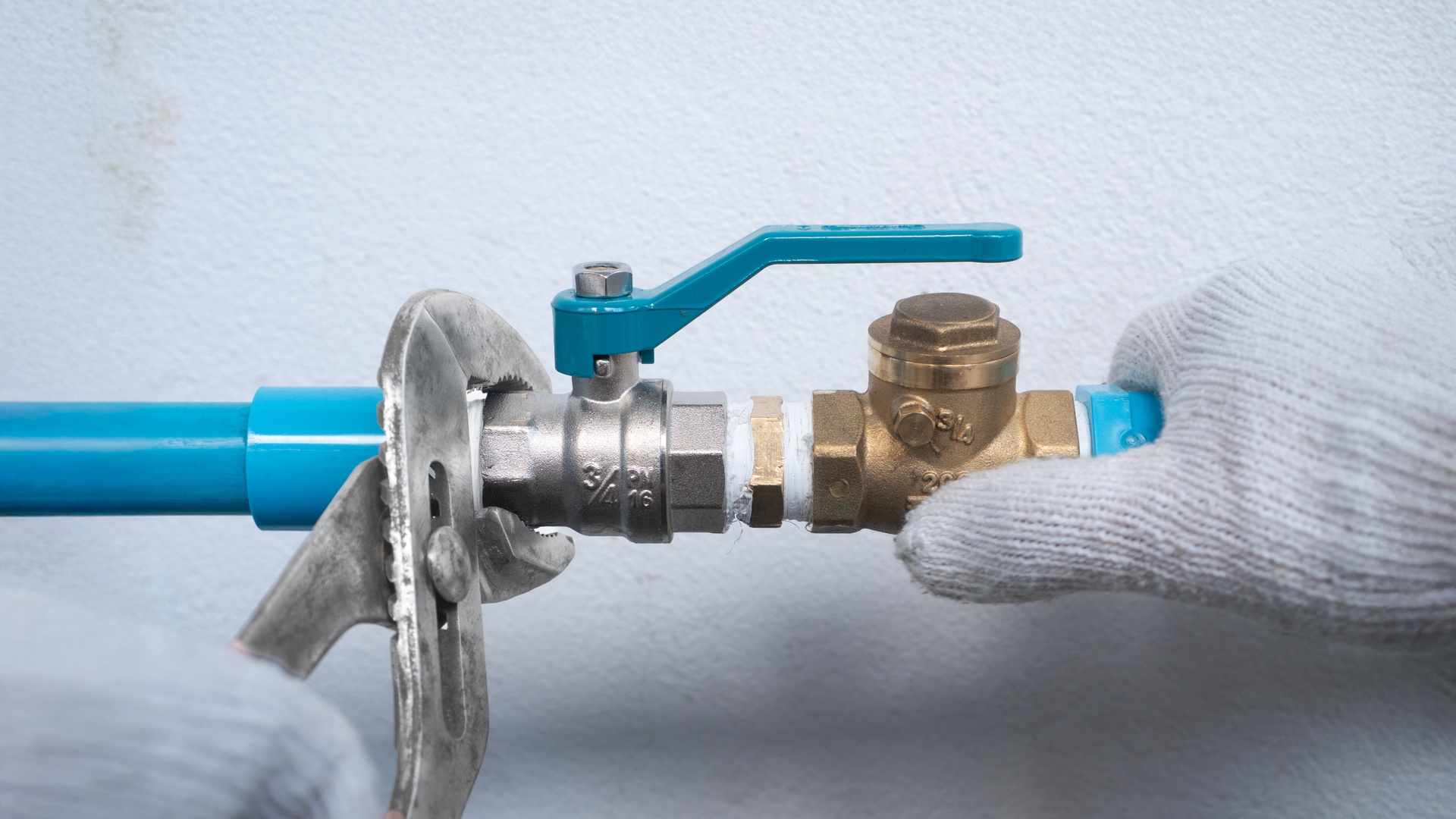
Water treatment tanks are essential for ensuring a clean and safe water supply. A leak in one of these tanks can cause significant problems, from water damage to service disruptions, so prevention is key. Understanding the common causes of leaks and how to prevent them will protect your water treatment infrastructure and ensure operational continuity.
Common Causes of Leaks
Leaks in water treatment tanks often arise from a few common issues. By recognizing these risk factors, you can take proactive steps to maintain your system’s integrity.
Corrosion and Erosion
Over time, the materials of a tank can break down due to chemical reactions or physical wear. Corrosion weakens the tank’s structure from the inside out, while erosion wears away surfaces, making leaks more likely.
Improper Installation
Improper installation of a water tank leads to higher failure risk. Poor installation can create stress points, misalign connections, and compromise the tank’s structural stability from the start.
Physical Damage
External forces can cause direct damage to a water treatment tank. Impacts from equipment, extreme weather events, or ground shifting can create cracks or punctures that lead to leaks.
Seal and Fitting Failures
The seals and fittings that connect pipes and access points are frequent sources of leaks. These components can degrade, loosen, or crack over time, compromising the tank’s watertight integrity.
Prevention Tips
Implementing a proactive maintenance strategy is the most effective way to prevent tank leaks. These straightforward practices can help you identify and address potential issues before they become major problems.
Regular Inspections and Maintenance
Conduct routine visual inspections to check for signs of wear, corrosion, or damage. A regular maintenance schedule allows early detection and repair of minor issues before they escalate.
Proper Material Selection
Choosing the right materials for your tank and its components is crucial for long-term durability. Select materials that are resistant to the specific chemicals and environmental conditions they will encounter.
Professional Installation
Ensure qualified professionals handle the installation of your water treatment tank. Correct installation follows manufacturer guidelines and industry standards, reducing the risk of future failures.
Implementing Protective Measures
Protect your tank from physical damage by installing professional tank linings or coatings. These measures can shield the tank from impacts and environmental stressors, extending its operational life.
Secure Your System for the Future
Preventing leaks in water treatment tanks is a critical part of managing your water system effectively. By understanding common causes like corrosion and improper installation and following prevention tips, you can safeguard your investment. This proactive approach ensures a reliable water supply and avoids the significant costs associated with repairs and downtime.