


Beautiful Ways To Use Uplighting at Home
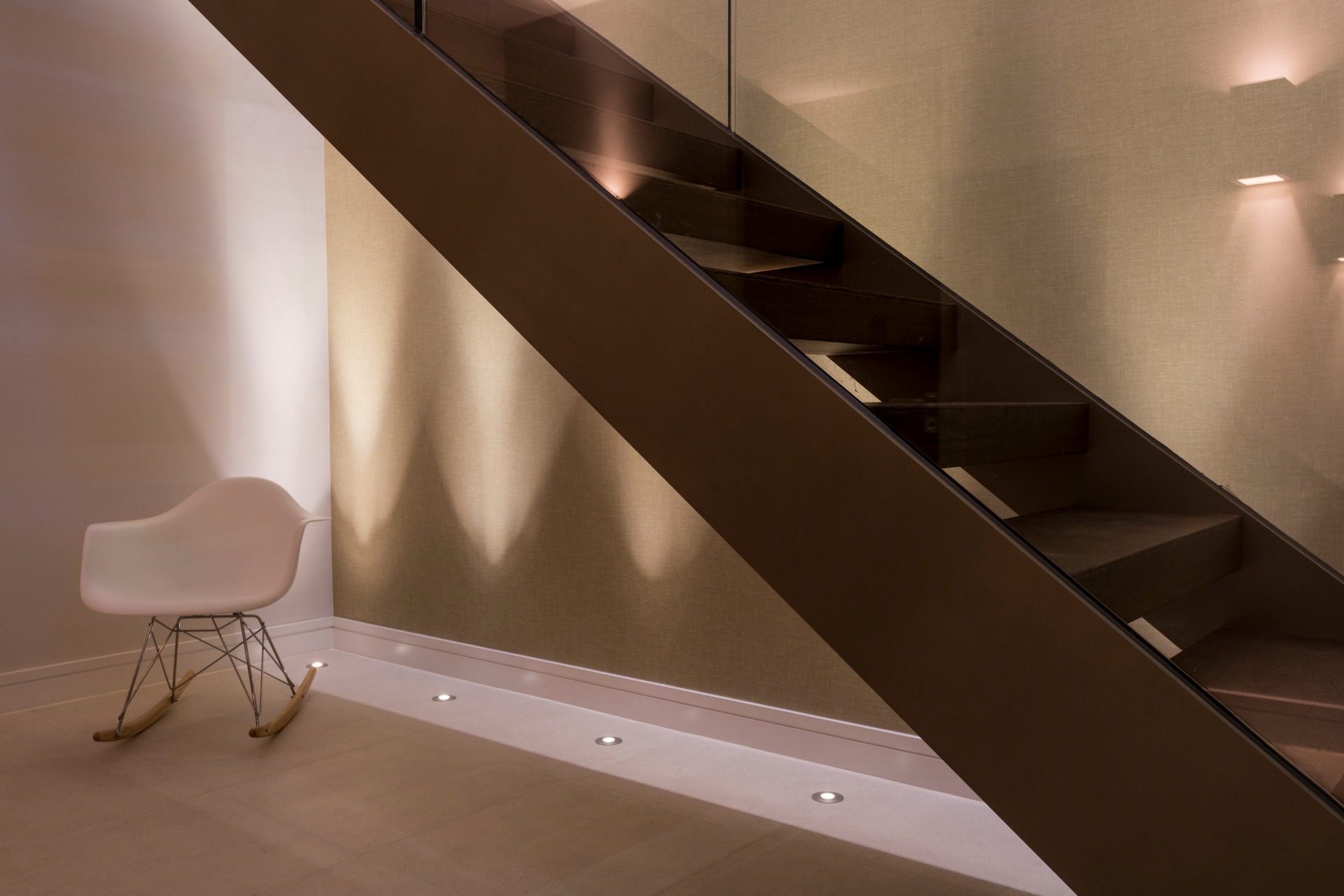
Most people are familiar with overhead fixtures and table lamps, but light that travels upward introduces a different visual effect. There are several beautiful ways to use uplighting at home, from accentuating decorative features to establishing a softer mood after sunset. With the right placement and intensity, even modest fixtures can transform the character of a room. Explore these ideas and consider where an upward beam could complement your home's existing décor.
Highlight Architectural Features With Uplights
Architectural details deserve attention, especially those that contribute to a home's individual character. Decorative columns, exposed beams, and textured walls can benefit from carefully positioned uplights. The upward illumination creates subtle shadows that reveal contours and draw attention to the craftsmanship.
For example, a narrow beam directed along a stone column can emphasize its height and surface texture. In a room with decorative wall panels, several discreet fixtures near the floor can create a beautiful rhythm of light and shadow. The effect feels intentional without requiring major changes to the interior. If you need to uplight artwork at home, be careful of glare. Learn what light glare is and how to remove it from artwork to find quick solutions.
Add Depth to Your Living Room
Living rooms benefit from multiple sources of illumination because they accommodate everything from quiet evenings to lively conversations. Uplights can complement ceiling fixtures, sconces, and table lamps by introducing light at a lower level. This creates visual depth and prevents the entire room from relying on one dominant source.
A floor uplight placed beside a bookshelf or behind an accent chair can cast a soft glow across the adjacent wall. The result feels particularly inviting during the evening, especially when overhead lights are dimmed. Warm illumination also complements wood furniture, neutral upholstery, and decorative accessories.
Try to avoid placing every fixture at the same height. A combination of floor-level uplights, table lamps, and overhead illumination distributes brightness throughout the room. This approach gives the space a more comfortable, balanced appearance.
Showcase Indoor Plants and Greenery
Indoor plants introduce natural textures and organic shapes into a home's décor. Uplights can emphasize these qualities by directing illumination through leaves and branches from below. The resulting shadows add another decorative element to nearby walls and ceilings.
A tall fiddle-leaf fig or indoor palm can become a beautiful accent when a compact fixture sits near its base. Position the light slightly to one side rather than directly beneath the trunk for a more dimensional effect. Large leaves will cast distinctive silhouettes that change as the plant grows.
Choose LED fixtures with modest heat output and maintain adequate clearance from foliage. Avoid prolonged exposure to intense light at close range, particularly with delicate plants. Decorative uplights should complement appropriate natural or horticultural light rather than serve as a substitute for it.
Create a Welcoming Entryway
An entryway establishes the first impression of a home, so its illumination deserves consideration. Uplights can introduce warmth without overwhelming a relatively small area. They also provide an opportunity to emphasize decorative features that guests might otherwise overlook.
For instance, a narrow console table with a sculptural vase can benefit from a discreet uplight positioned nearby. The light draws attention to the arrangement and creates gentle shadows against the wall. A decorative column or textured surface offers another attractive focal point. Keep the intensity moderate to maintain a comfortable transition from outdoors. Fixtures should remain clear of walkways, and any exposed cords need secure placement.
Illuminate Decorative Sculptures and Objects
Sculptures, ceramics, and other three-dimensional objects respond beautifully to directional light. Unlike flat surfaces, these pieces contain curves, recesses, and textures that become more apparent under carefully controlled illumination. Uplights can emphasize their physical form through a deliberate combination of brightness and shadow.
A contemporary sculpture on a pedestal, for example, may benefit from a narrow beam directed upward from one side. This creates contrast across the object's surface and reveals details that diffuse room light might conceal. For a collection of ceramics, individual accents can establish visual separation between the pieces.
Give Your Bedroom a Softer Atmosphere
Bedrooms call for comfortable illumination that supports relaxation at the end of the day. Uplights provide an attractive alternative to bright ceiling fixtures, particularly when directed toward a wall or ceiling. The reflected light can create a gentle atmosphere without exposing occupants to a harsh beam.
Place a compact floor uplight behind a bedside chair or near an empty corner. A warm color temperature around 2700K can complement soft textiles, upholstered furniture, and natural wood finishes. Dimmable controls allow the brightness to suit different evening activities.
Avoid directing the beam toward mirrors or other reflective surfaces near the bed. These reflections may become distracting from certain positions. A carefully concealed fixture generally produces a more restful effect than a visible, intensely bright source.
Emphasize High Ceilings and Vertical Space
Rooms with tall ceilings have impressive proportions, but their upper sections can appear dark after sunset. Uplights help distribute illumination vertically and draw attention to the room's full height. This technique works particularly well in foyers, formal living rooms, and spaces with vaulted ceilings.
Position fixtures near architectural elements that naturally guide the eye upward. A tall column, fireplace surround, or vertical wall treatment can provide an attractive surface for the beam. The resulting illumination emphasizes height without requiring another large decorative fixture.
Ceiling color influences the outcome as well. Light-colored surfaces reflect more illumination, whereas darker finishes absorb more of it. Test the placement after sunset to evaluate the effect under realistic evening conditions.
Enhance Hallways and Transitional Spaces
Hallways deserve more consideration than a single overhead fixture. These transitional areas connect different rooms, and thoughtful illumination can establish continuity throughout the home. Uplights offer an attractive way to add visual interest without occupying valuable floor space.
Compact recessed fixtures near a textured wall can create a series of upward accents. Alternatively, a concealed uplight beneath an architectural recess can emphasize the wall's vertical surface. Repeated at measured intervals, these accents introduce a refined visual pattern.
Brightness should remain consistent enough for comfortable movement. Avoid strong contrasts that obscure steps, thresholds, or changes in floor level. Decorative illumination works best alongside adequate general light rather than as the sole source in a passageway.
Bring Beautiful Uplighting Into Your Home
The most successful ways to use uplighting at home begin with an appreciation for the room's architecture, furnishings, and atmosphere. A carefully positioned beam can reveal texture or introduce warmth to an overlooked corner. These details contribute to an interior that feels complete. Explore the possibilities throughout your home, then experiment with fixture placement, brightness, and color temperature. A carefully considered approach to light can bring greater depth and character to the spaces you enjoy every day.