


Basement Maintenance 101: What Every Homeowner Should Know
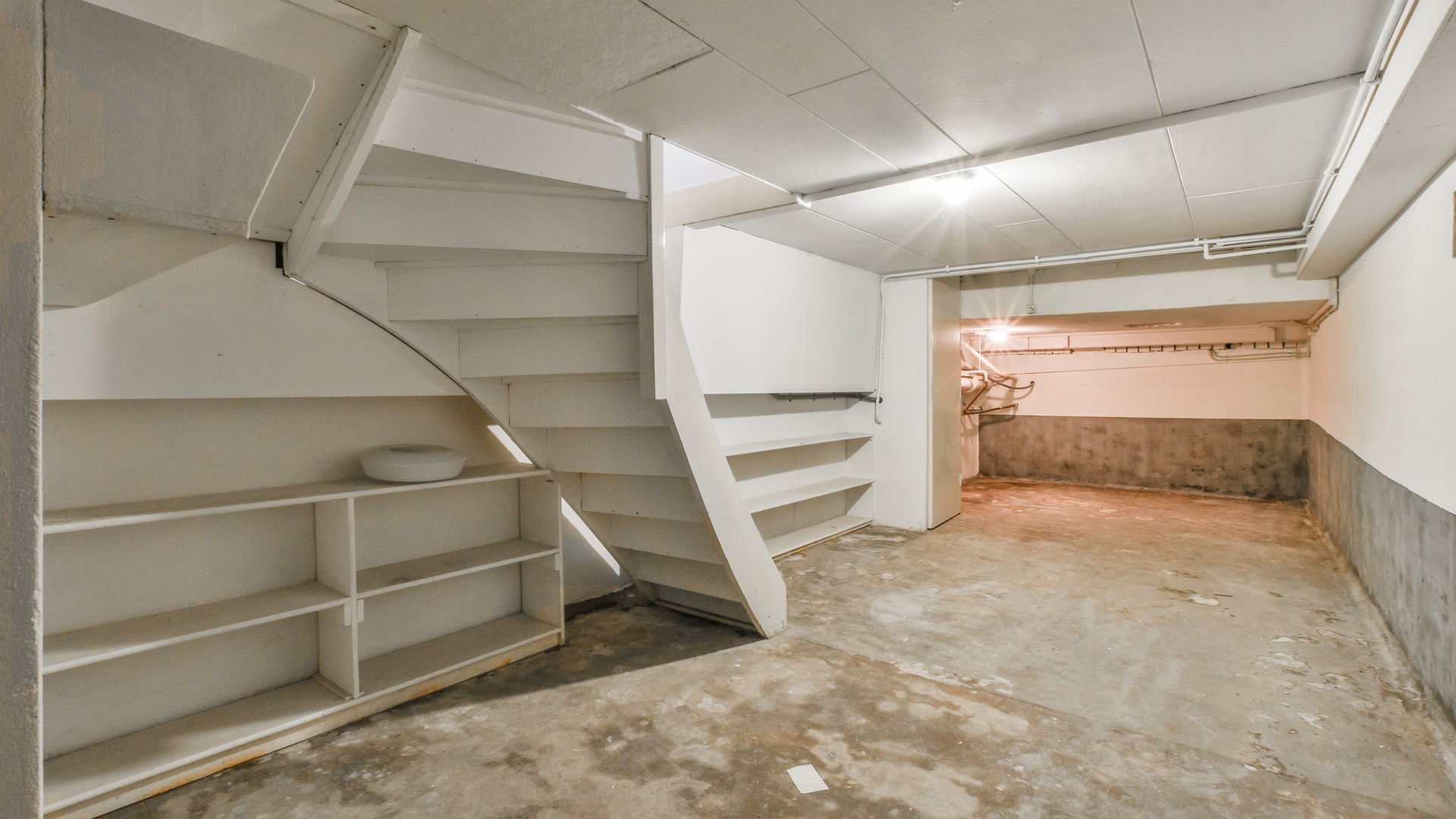
Your basement is more than just a spot for boxes or old furniture; it’s an important part of your house’s structure and comfort. In places like Wyoming and South Dakota, where the weather can swing from bone-dry to soaking wet, it pays to give your basement a little extra attention. We’ll help you with your basement maintenance routine and tell you what every homeowner should know to keep your home’s value up and your family’s space safe and dry.
How To Keep Moisture Under Control
Moisture can be a real troublemaker in basements. It leads to mildew smells, mold, and sometimes even cracks or damage to your foundation. Check for damp spots on walls or puddles on floors, especially after a big rainstorm. Running a dehumidifier helps keep the air dry and comfortable.
Don’t overlook what’s happening outside, either. Clean your gutters and make sure downspouts push water several feet away from your foundation. Also, check that the ground slopes away from your home. Standing water against walls can sneak in when you least expect it.
What About the Sump Pump?
If your basement floods, the sump pump is your best friend. Make it a habit to clear out any debris, test that it turns on, and confirm that the discharge line isn’t blocked. Creating a simple maintenance routine to keep your sump pump in peak condition year-round will help you avoid surprises and stay worry-free when the snow melts or the rain pours.
Why Check for Foundation Cracks?
Basements settle and shift as the years go by, which may lead to cracks in the walls or floor. It’s smart to check for new or growing cracks periodically. Tiny hairline cracks are usually harmless, but big horizontal or stair-step ones could spell trouble.
If you see a crack that worries you, seal it up to keep water out. For little gaps, kits with epoxy or foam get the job done. If a crack looks serious, calling a pro is your safest bet.
How To Boost Air Quality and Keep Everyone Safe
Another thing to remember is that basements trap gases like radon, which you can’t see or smell, but can be dangerous long-term. Fresh air makes a world of difference; no one wants a musty, stuffy basement. Here’s what to focus on.
- Test your home for radon.
- Install a carbon monoxide detector.
- Clear out clutter so air can move freely.
Following a basement maintenance routine doesn’t take much time and can protect your biggest investment. Tackling these steps keeps your home dry, healthy, and comfortable for years to come.