


Basement Builds: Site Prep Tips That Save Time
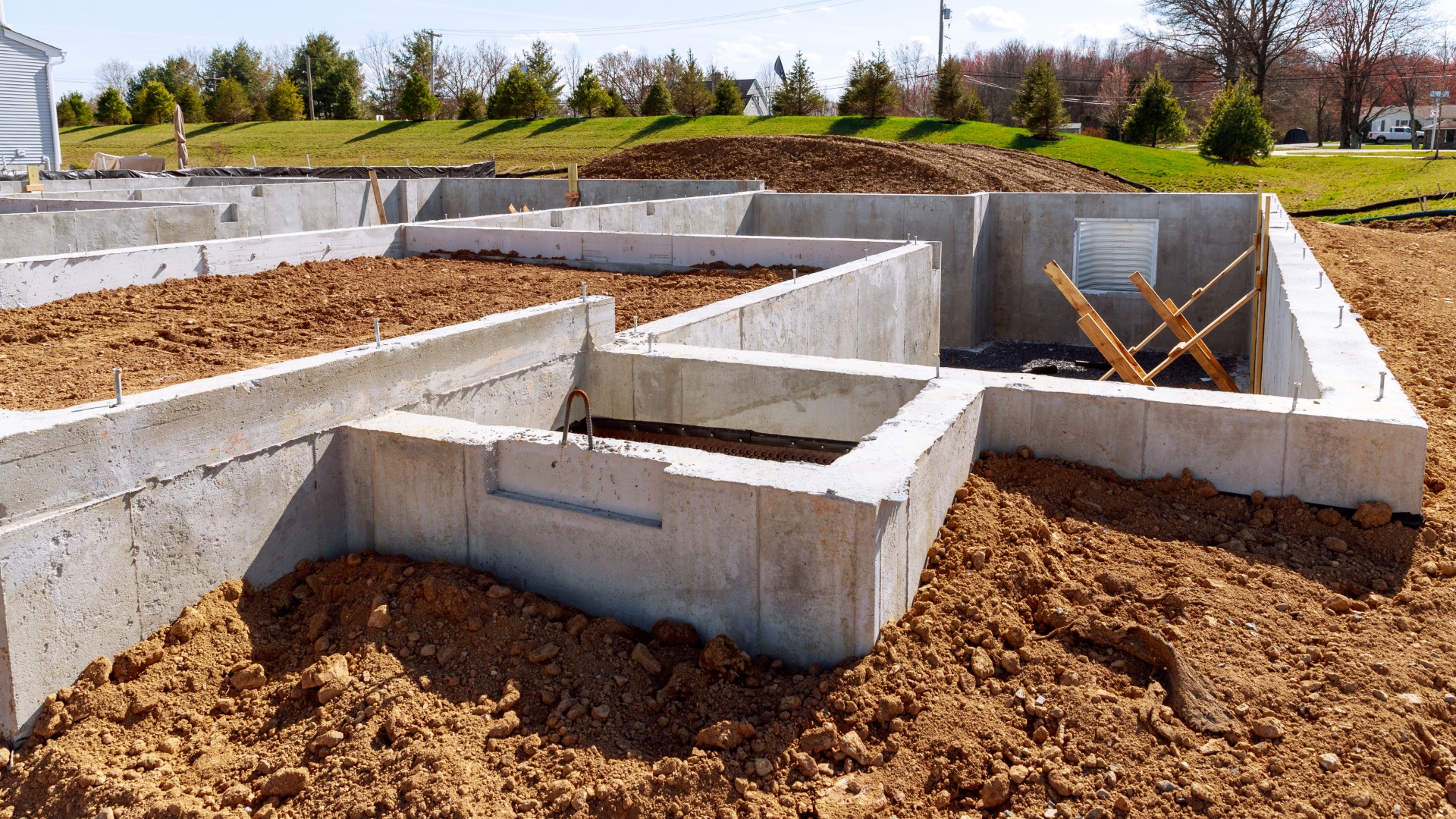
A basement build can move fast or drag out for weeks, and a lot of that comes down to what happens before the real construction starts. Good site prep keeps the job safer, reduces delays, and helps the next step go a little smoother.
When it comes to basement builds, the biggest takeaway is simple: the more organized the site is from the start, the less time everyone spends fixing avoidable problems later. Read on for site prep tips that save time and ensure workplace safety.
Start With Access and Layout
Before equipment rolls in or materials get stacked all over the place, it helps to think through how the site will actually work day to day. Where will people enter and exit? Where will debris go? Where can materials sit without slowing everything down? These details sound basic, but they shape how smoothly the whole job runs. If the site feels cramped, confusing, or badly arranged, that slowdown shows up almost immediately.
A clean layout gives the crew room to move and keeps the workflow from turning into a constant shuffle. It also helps protect the rest of the property from unnecessary mess and damage.
Clear the Work Area Before the Rush Starts
It is always tempting to jump straight into the exciting part, but site prep works best when the area is fully cleared first. That means removing clutter, checking for obstacles, and addressing anything that could slow the crew down early. Low branches, stored items, uneven surfaces, and poor access points can all turn into annoying little delays once the work begins.
The same goes for utilities and nearby structures! It is worth knowing what is underground, what needs protection, and what should stay well out of the way before heavy work begins.
Check Soil Conditions Early
Soil can make or break the pace of a basement project. If the ground is unstable, overly wet, or not what the crew expected, the job can shift quickly from smooth to complicated. That is why early evaluation matters. Knowing what kind of soil is on site helps shape the excavation plan, equipment needs, drainage approach, and foundation strategy before the real work gets underway.
On some sites, discussions around various mini piling methods may help the team prepare for limited access, tricky ground conditions, or the need for added support in tight spaces.
Have a Spoil and Cleanup Plan
Excavation creates a mess fast. Dirt piles grow, debris stacks up, and suddenly the site that looked manageable yesterday starts feeling like a mud-covered obstacle course. That is why a spoil management plan matters so much. Know where excavated material will go, how often it will be removed, and what the cleanup routine will look like once work starts moving. Otherwise, the site can bog down before the structure even takes shape.
Cleanup also affects safety and efficiency more than people expect. A tidy site is easier to navigate, work in, and stay on schedule.
Plan for Drainage
Water has a way of showing up exactly where it is least welcome. A basement project that ignores drainage during site prep is basically inviting extra delays, extra work, and extra stress. Even a little water in the wrong place can slow excavation, affect soil stability, and complicate foundation work. That is why drainage needs attention early, not after the site starts looking like a small accidental pond.
This could mean grading the area, planning runoff paths, or setting up temporary drainage solutions before excavation deepens. The point is to control water before it controls the schedule.
Coordinate Materials and Timing
One of the easiest ways to lose time on a basement build is poor timing with deliveries, equipment, and labor. If materials arrive too early, they sit in the way. If they show up too late, the crew stands around waiting. Good site prep includes thinking ahead about what needs to arrive, when it should arrive, and where it should go once it arrives. That level of coordination keeps the project from tripping over itself.
It also helps the build keep its rhythm. A well-timed delivery schedule supports the work instead of interrupting it.
Protect What Should Stay in Place
Basement work can get rough on the surrounding property if the site is not protected early. Existing landscaping, walkways, fences, and nearby structures can all take a hit when excavation equipment and heavy materials start moving through the space. That is why barriers, covers, and designated travel paths are worth setting up before the work gets intense. Protecting the site is faster than repairing preventable damage later.
This part of prep also makes the project feel more professional from the beginning. A job site that looks organized and protected sends a clear message that the team is paying attention. It keeps the work area tighter, reduces distractions, and helps avoid side issues that pull time away from the main build.
Keep Communication Simple and Consistent
Even the best site plan can lose momentum if communication is sloppy. Everyone involved should know the access points, cleanup expectations, material zones, and the project's general flow before the busiest phase begins. When those details are unclear, people waste time asking the same questions, making avoidable mistakes, or working around each other, slowing everything down. A quick, clear plan saves more time than people realize.
That does not mean every conversation needs to sound like a formal briefing. It just means the basics should be easy to understand and easy to follow. A basement build already comes with enough moving parts. Clear communication helps keep those parts from colliding. When the crew understands the plan and the site supports the work, the whole project gets off to a stronger start.
Prep Well and Build Faster
At the end of the day, these site prep tips that save time are really about making the work easier before it gets harder. A clear layout, better soil planning, smart drainage, steady cleanup, and strong coordination can keep the project moving without so many avoidable setbacks. Basement builds will always have their surprises, but good prep cuts down on the ones that never needed to happen, and that is the kind of time-saving everyone on site can appreciate.