


Balancing Style and Performance in Motorcycle Customization
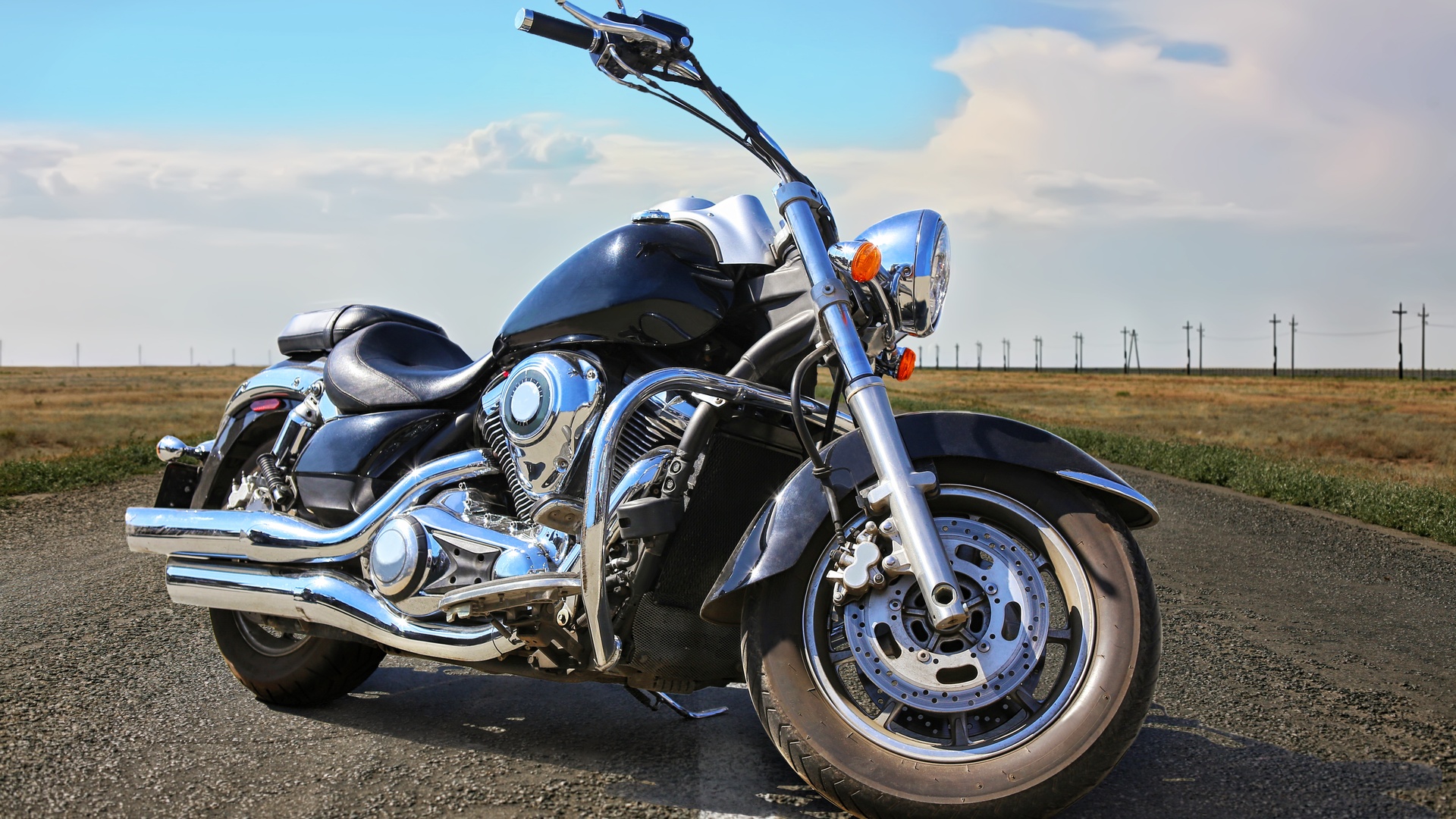
Motorcycles have always occupied a unique space between engineering and art. For some riders, the appeal lies in raw performance—the hum of a well-tuned engine, the precision of a tight corner. For others, it’s about visual identity, with polished metal, custom paint, distinctive wheels, and carefully chosen details that turn a machine into a statement.
The most rewarding builds, however, don’t force a choice between the two. They demonstrate that performance and aesthetics are not competing priorities but complementary goals.
Balancing style and performance in motorcycle customization means recognizing that every visual change affects mechanical behavior, and every performance upgrade influences the overall look and feel of the bike. When done well, each modification enhances both.
Wheels: The Centerpiece of Style and Stability
Few components transform a motorcycle’s appearance as dramatically as its wheels. A switch from cast wheels to spokes, or from a standard finish to a polished design, can redefine the entire personality of a bike. Yet wheels are far more than visual focal points; they are critical structural elements that influence handling, braking, and safety.
Spoke motorcycle wheels remain popular for their timeless aesthetic and structural resilience. Their design allows for a degree of flex under load, which can help absorb impacts and maintain durability under varied riding conditions.
When evaluating wheel upgrades, such as choosing spoke motorcycle wheels, riders should look beyond surface appeal. Rim width, material composition, hub compatibility, and load rating all directly affect ride quality. A well-selected wheel upgrade enhances cornering confidence and braking response while elevating the overall bike aesthetic.
Suspension: Performance You Can Feel
If wheels anchor the look, suspension defines the experience. Suspension systems absorb road imperfections, maintain tire contact, and stabilize the motorcycle during acceleration and braking.
Customization trends sometimes favor lowered stances or visually aggressive setups. While these adjustments can produce striking profiles, excessive reductions in suspension travel may limit lean angles and reduce ride comfort. Adjustable shocks and fork upgrades provide a balanced alternative. They allow riders to tailor preload, rebound, and compression settings to their riding style without sacrificing visual harmony.
Performance-oriented suspension upgrades often create a cleaner, more deliberate motorcycle stance. In this case, style follows function naturally. The bike not only looks purposeful, but it also behaves that way on the road.
Exhaust Systems: Sound, Weight, and Power
The exhaust system is one of the most recognizable modifications in motorcycle culture. A refined exhaust note can dramatically change the emotional character of a bike. Still, sound alone should not drive the decision.
Aftermarket exhaust systems can reduce overall weight and improve airflow, potentially enhancing throttle response and horsepower. However, these gains depend on proper tuning. Without appropriate fuel mapping adjustments, bike performance might suffer rather than improve. Additionally, excessively loud systems may create unnecessary community friction and diminish long-term riding enjoyment.
The most successful exhaust upgrades strike a balance between improved efficiency, controlled sound levels, and seamless integration with the motorcycle’s design. In well-executed builds, the exhaust complements the bike’s lines while contributing to measurable performance improvements.
Lighting: A Modern Upgrade With Practical Impact
Lighting modifications illustrate how safety and aesthetics often align. LED technology has revolutionized motorcycle lighting in recent years, offering brighter output, longer lifespan, and more compact housing options. These advancements allow for sleek design updates without compromising visibility.
Enhanced lighting improves rider awareness at night and increases the likelihood that other drivers will notice the motorcycle in low-light conditions. Integrated turn signals, streamlined taillights, and modern headlamp designs can refresh a bike’s appearance while delivering meaningful functional benefits. Here, customization serves a dual purpose: sharper style and stronger safety margins.
Ergonomics: Comfort as a Performance Metric
Motorcycle performance is often measured in horsepower or torque figures, but comfort plays an equally important role in real-world riding. Ergonomics—the relationship between rider and machine—determines how confidently and safely a rider can operate a motorcycle over time.
Handlebar height and width influence steering leverage and wrist position. Seat shape affects weight distribution and rider endurance, while foot control placement impacts balance and responsiveness. Subtle changes in these areas can significantly reduce fatigue and improve overall control.
A cohesive approach to motorcycle customization includes evaluating rider fit alongside mechanical upgrades. A bike that aligns with the rider’s natural posture feels better and handles better.
Avoiding the Looks First Trap
Customization can be tempting territory for impulse decisions, but a striking part seen online or at a show may not integrate well with an existing build. Without considering system-wide impact, riders risk creating imbalances in their bikes.
Common pitfalls include altering weight distribution without upgrading suspension, installing oversized wheels that affect braking geometry, or mixing incompatible components from different manufacturers. Each motorcycle is a carefully engineered system, and modifications should respect that system rather than disrupt it. Approaching upgrades with a plan, rather than a collection of isolated changes, helps preserve both performance and aesthetic coherence.
A Comprehensive Checklist for Implementing Modifications
Before committing to a new bike part, consider the following questions:
- How will this change affect overall bike handling?
- Does the part influence braking performance or tire wear?
- Is it compatible with existing components and manufacturer specifications?
- Will it enhance long-distance comfort or reduce it?
- Does it contribute to a unified motorcycle design vision?
When a modification results in positive answers to these questions, it is far more likely to support long-term rider satisfaction.
When Style and Engineering Align
The perception that motorcycle riders must choose between form and function is outdated. Modern materials, improved manufacturing precision, and access to specialized components allow builders to achieve both. A polished wheel can support structural integrity, a refined suspension system can sharpen both stance and stability, and updated lighting can modernize appearance while enhancing visibility.
At its core, balancing style and performance in motorcycle customization is about intention. Each decision should serve a purpose beyond immediate visual impact. When customization choices align with engineering principles, the result is a motorcycle that performs well and looks cohesive from every angle.
That harmony is what elevates a build from modified to masterful. It’s not simply about standing out—it’s about riding with confidence through every mile ahead.