


5 Ways To Ensure Your Horses Thrive on the Farm
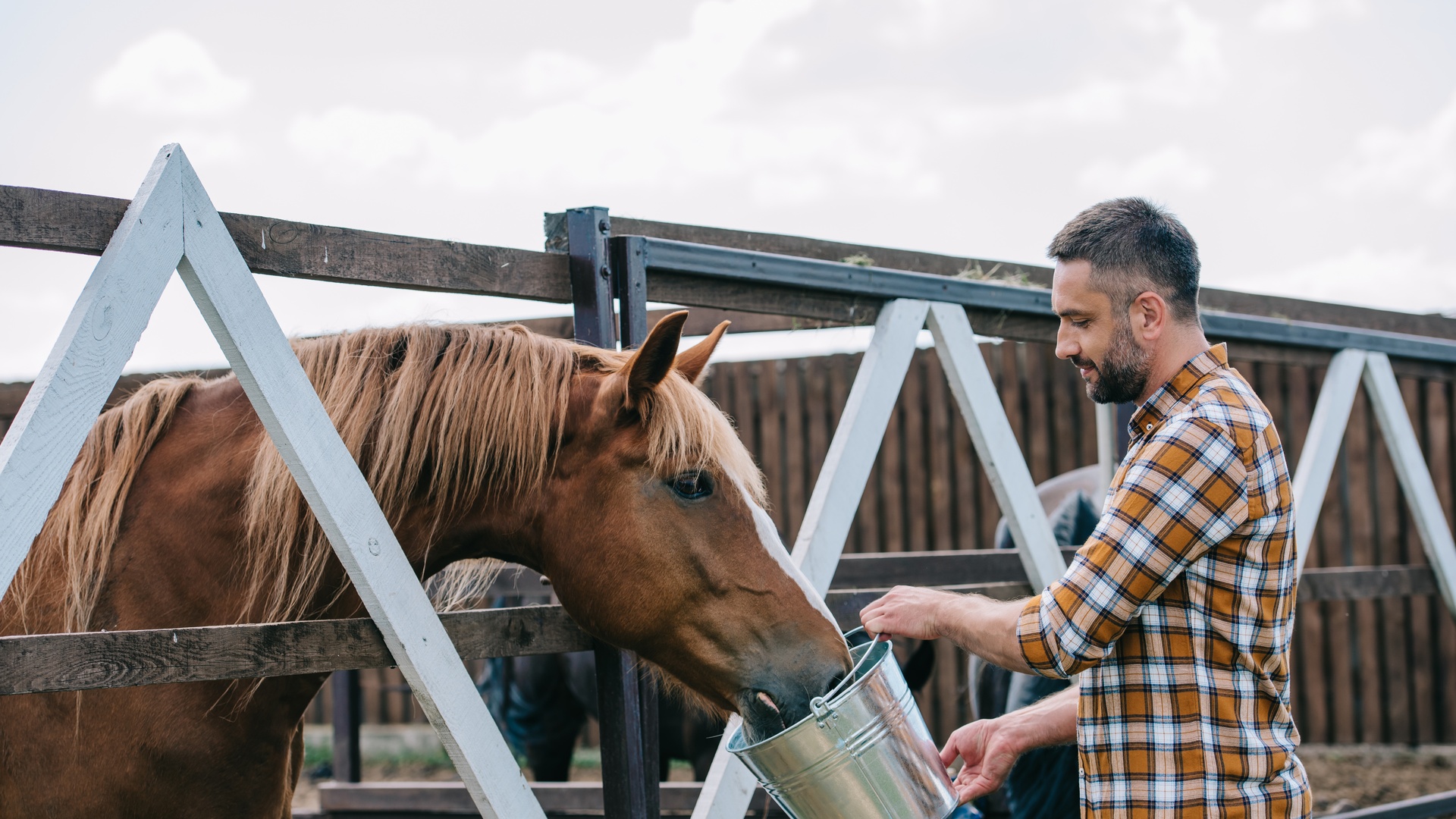
Owning horses is a rewarding experience that comes with great responsibility. These magnificent animals depend on their owners for their health, safety, and overall happiness.
Providing excellent care requires attention to several key areas of their daily lives. Review these five ways to ensure your horses thrive on the farm so you can meet their fundamental needs.
Focus on High-Quality Forage
A horse's diet is the foundation of its health, and high-quality forage should be the cornerstone. Horses are natural grazers, designed to consume fibrous grasses and hay throughout the day.
Instead of letting them eat potentially deficient hay, use proper hay sampling techniques to ensure they receive what they need for optimal energy. After you see the results, you will know whether you are properly supporting their well-being.
Provide Consistent Access to Fresh Water
Water is essential for every bodily function, from digestion to temperature regulation. A horse can drink between five and 15 gallons of water per day, and even more in hot weather or during heavy exercise.
You should ensure your horses have constant access to clean, fresh water. Check water troughs and buckets daily to scrub away algae and remove any debris that may have fallen in. In winter, use heated buckets or tank de-icers to prevent water from freezing.
Create a Safe and Comfortable Environment
Another surefire way to ensure your horses thrive on your farm is to provide them with safe and comfortable environments. Pastures should be free of hazards like sharp objects, poisonous plants, and holes.
Fencing needs to be sturdy, visible, and well-maintained to prevent escapes or injuries. A clean, dry shelter provides protection from harsh weather, whether it’s the summer sun or a winter storm. Regular mucking of stalls and shelters also prevents the buildup of ammonia, which can cause respiratory issues.
Schedule Regular Veterinary and Farrier Care
Preventive care is key to avoiding serious health problems down the road. Establish a relationship with a trusted veterinarian for routine vaccinations, deworming, and dental check-ups. An annual wellness exam can catch issues before they become major concerns.
Equally important is consistent hoof care from a qualified farrier. Regular trims every six to eight weeks maintain proper hoof balance, supporting your horse's soundness.
Encourage Socialization and Turnout
Horses are herd animals that benefit greatly from social interaction with other horses. Living in a group allows them to engage in natural behaviors such as mutual grooming and play, which reduce stress and promote mental well-being.
Ample turnout time allows them to move, graze, and socialize. This movement is not only good for their minds but also crucial for their digestive health and joint mobility, preventing stiffness and boredom-related vices.
Ultimately, providing exceptional care comes down to diligence and a deep understanding of your horse's needs. By prioritizing quality nutrition, constant hydration, and a safe environment, you will lay the groundwork for a healthy life. Combined with routine professional care and social enrichment, you can ensure your equine companions are truly happy and thriving.