


5 Simple Life-Saving Skills You Should Learn in 2026
When the new year arrives, we often focus our resolutions on glowing skin, career milestones, or savvy budget hacks. While those goals matter, we sometimes overlook the ultimate form of self-care: personal safety. Feeling prepared for an emergency gives you a confidence boost that no serum or outfit can match.
You do not need a medical degree or a large bank account to make a difference in a crisis. Adding a few practical tools to your mental toolkit empowers you to protect yourself and your loved ones. These are the life-saving skills you should learn to feel secure and capable this year.
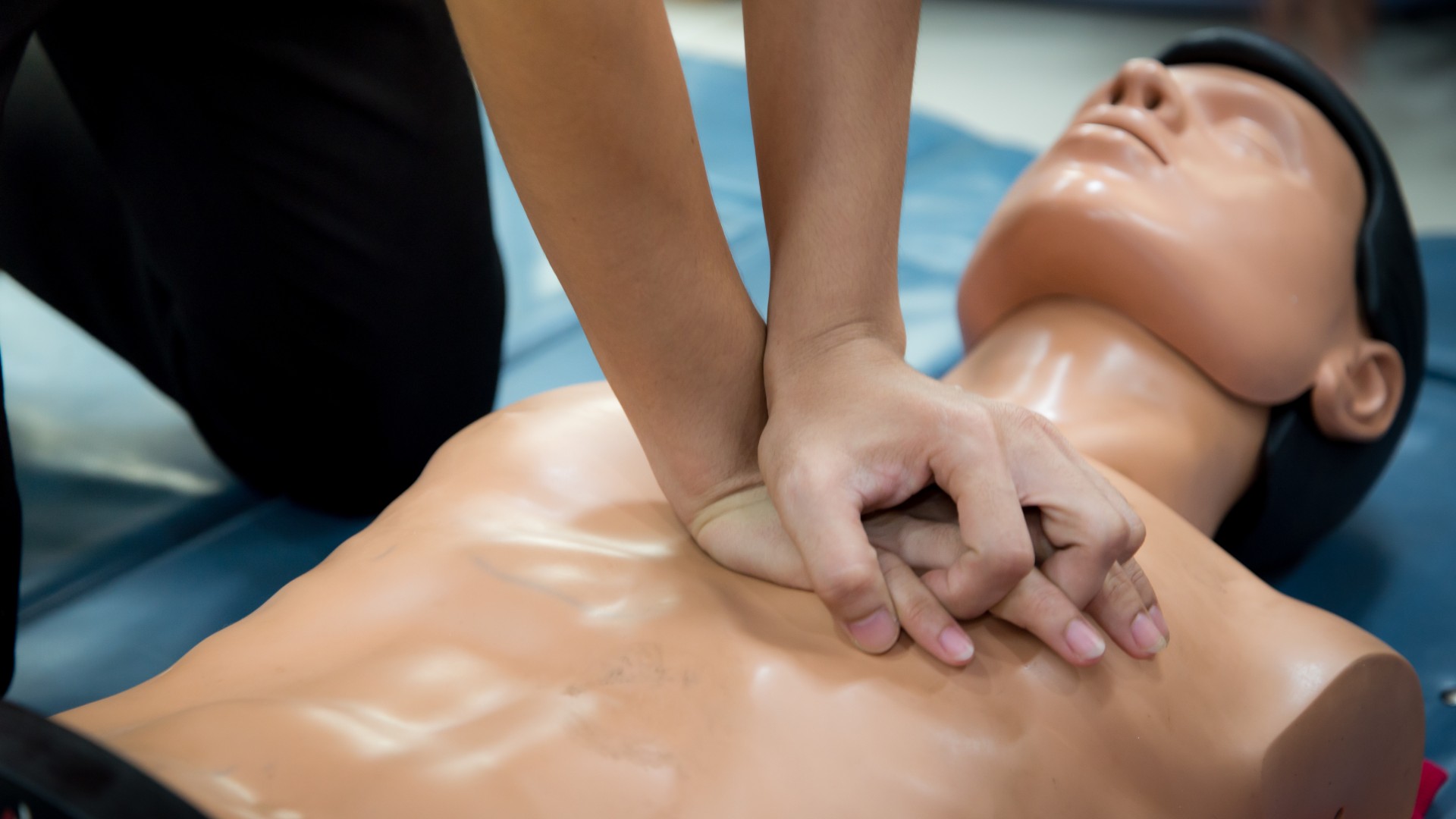
Master CPR and AED Basics
Cardiopulmonary Resuscitation (CPR) remains one of the most critical techniques anyone can know. It keeps blood flowing to the brain and other vital organs when the heart stops beating. Many community centers and fire stations offer affordable or even free certification classes. You might simply need hands-on practice to feel comfortable stepping in during an emergency.
While knowledge is power, having access to the right tools helps even more. Professionals rely on high-quality EMS and CPR supplies to perform these tasks effectively. Familiarizing yourself with how an Automated External Defibrillator (AED) works can also dramatically increase survival rates.
The Heimlich Maneuver
Choking incidents happen unexpectedly, often during a lovely dinner with friends or a quiet meal at home. The Heimlich maneuver is a quick, effective way to dislodge an object from someone's airway. You can perform this on adults, children, and even yourself using a chair back or countertop.
Understanding the proper hand placement and force required is key. A quick online tutorial or a first aid class can demonstrate the correct technique. This knowledge allows you to act fast before first responders arrive.
Basic Car Maintenance
We love the freedom of the open road, but a breakdown can quickly turn a fun road trip into a stressful situation. Knowing how to change a flat tire or jump-start a battery saves you money and keeps you safe. You avoid waiting on the side of the road for expensive tow trucks or strangers.
Practice these tasks in your driveway on a sunny afternoon, so you know exactly what to do in the rain or dark. Keep a simple emergency kit in your trunk with jumper cables and a flashlight. This small preparation ensures you never feel stranded.
Situational Awareness
This skill requires zero equipment and costs absolutely nothing. Situational awareness simply means paying attention to your surroundings, rather than your phone screen. Trust your gut instinct if a location or person feels "off" to you.
Practice scanning a room when you enter or noting the exits in a building. Keep your head up and walk with purpose when you are out alone. This proactive mindset often prevents dangerous situations before they begin.
Stop the Bleed
Accidents in the kitchen or outdoors can lead to severe bleeding that requires immediate action. Learning how to apply a tourniquet or pack a wound can stabilize an injury until help comes. You can buy basic "Stop the Bleed" kits to keep in your car or in your home first-aid cabinet.
These techniques are straightforward but require quick thinking and confidence. Mastering these life-saving skills in 2026 will make you a valuable resource for your entire community. You become the calm, capable person in the room when it matters most.