


5 Signs That Your Car’s Engine Is Overworking
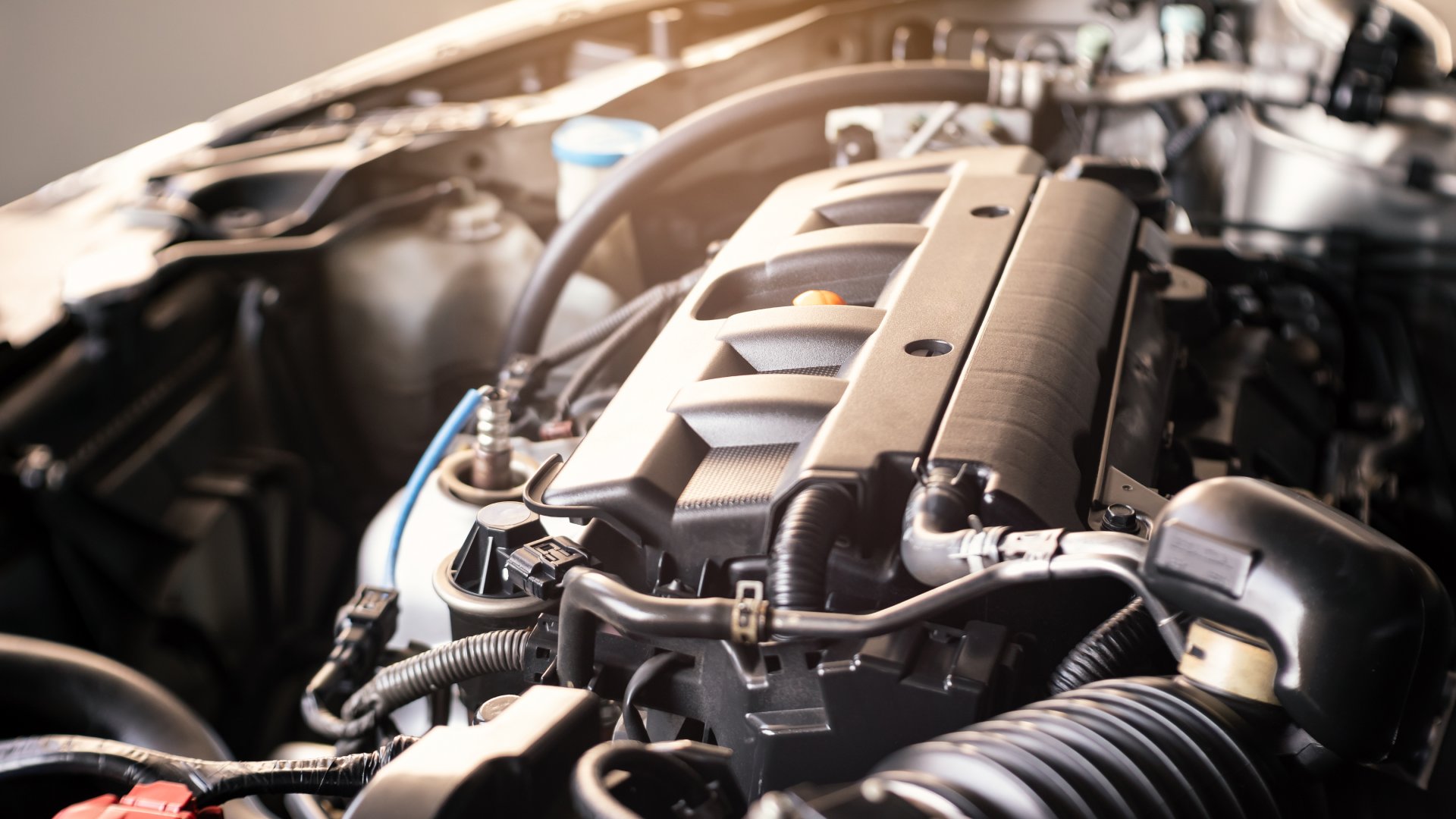
Your car’s engine functions as the heart of your vehicle, powering every journey you take. Just like any hardworking component, it can show signs of strain when pushed too hard. Recognizing these warnings early can save you from costly repairs and keep your car running smoothly.
Paying attention to the signs that your car’s engine is overworking allows you to address potential problems before they become severe. Keep reading to identify what to look for, from strange noises to performance issues, so that you can take action.
1. Unusual Engine Noises
One of the first indicators of engine trouble comes through your ears. An engine in good health should produce a consistent, smooth hum. If you notice new sounds like knocking, grinding, or hissing, your engine might be struggling.
- Knocking: A knocking or pinging sound often points to issues with combustion. This can happen when the air-fuel mixture ignites prematurely, putting stress on the pistons.
- Grinding: A grinding noise could mean there are worn-out bearings or other moving parts that lack proper lubrication.
- Hissing: Hissing sounds might suggest a leak in the cooling system or a vacuum leak, both of which force the engine to work harder to maintain performance.
2. Excessive Smoke From the Exhaust
The smoke coming from your exhaust pipe can tell you a lot about your engine’s health. While a small amount of thin, white vapor is normal, especially in cold weather, thick or colored smoke points to a problem.
- Blue smoke: This usually indicates an oil leak within the engine, where oil is burning along with the fuel.
- White smoke: Dense white smoke can signal a coolant leak into the combustion chambers, which is a symptom of a more serious issue like a cracked cylinder head.
- Black smoke: This means the engine is burning too much fuel, which can result from a clogged air filter or a faulty fuel injector.
3. Decreased Performance and Fuel Economy
A noticeable drop in your car’s performance or fuel efficiency is a clear sign that something is wrong. An overworked engine must expend more energy to produce the same amount of power, leading to sluggish acceleration and more frequent trips to the gas station.
If your car struggles to get up to speed or feels less responsive than usual, the engine is likely under strain. We recommend keeping a log of your fuel consumption to spot any sudden changes.
4. Engine Overheating
Your vehicle’s cooling system is designed to keep the engine operating within a specific temperature range. When the engine works too hard, it generates excess heat that the cooling system might struggle to dissipate.
When the temperature gauge on your dashboard starts rising into the red, it’s a clear sign of overheating. Safely pull over and turn off the engine to let it cool down. If you ignore an overheating engine, you risk severe and costly damage.
5. Check Engine Light Appears
The check engine light is your car's diagnostic tool. It signals an engine or related system problem, from a loose gas cap to a major fault. Never ignore it. Use an OBD-II scanner to identify the issue. Proper lubrication, including motor oil, which contributes to engine cooling, is crucial in preventing many of these problems. It absorbs and transfers heat from components as it circulates.
Understanding the signs that your car’s engine is overworking is a proactive step toward responsible car ownership. When you notice any of these warning signs, having your vehicle inspected by a qualified mechanic can help diagnose the issue and keep you safely on the road.