


5 Road Construction Work Safety Zone Tips
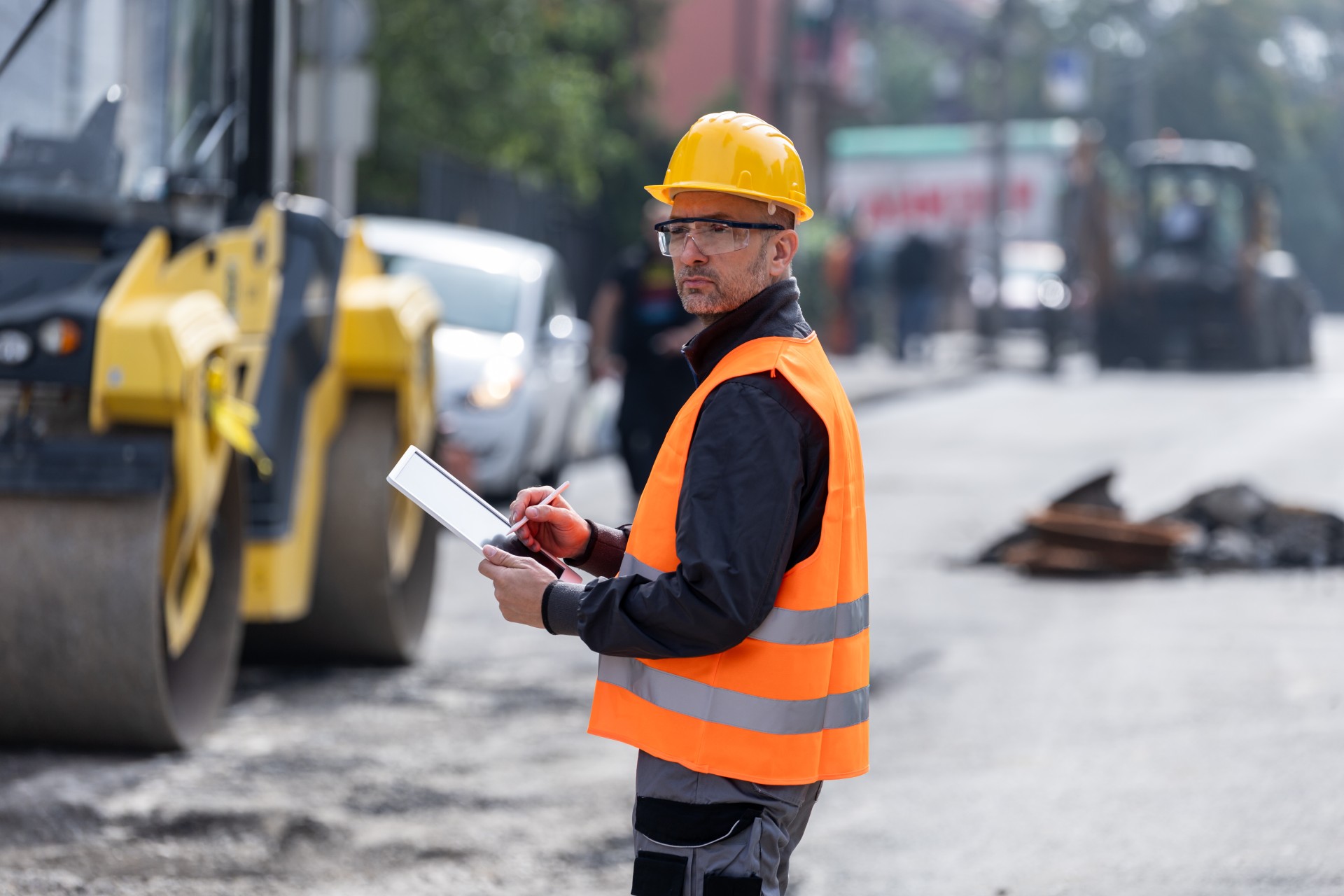
Road construction is a high-risk profession where the margin for error is extremely slim. Ensuring the well-being of your crew requires strict adherence to safety protocols and constant vigilance from every team member. By following these road construction work safety zone tips, you can significantly reduce the risk of accidents and create a secure working environment for everyone on site.
Wear High-Visibility Apparel
Visibility is the single most critical factor in preventing accidents on busy roadways. Workers must be easily distinguishable by motorists from a significant distance to allow for adequate reaction time. Investing in the best hi-vis gear for road crews is a non-negotiable step in site safety. This includes class 2 or class 3 vests, helmets, and reflective armbands that reflect light effectively during both day and night operations, ensuring workers stand out against the background environment.
Use Proper Signage and Signals
Clear communication with approaching drivers is vital to managing the flow of traffic around a job site. You must place standardized signs well in advance of the actual work zone to warn motorists of changing conditions ahead. These visual cues give drivers ample time to slow down, merge, or stop, reducing the likelihood of sudden maneuvers that could endanger workers.
Implement Traffic Control Measures
Physical barriers provide a necessary shield between the workforce and moving traffic. Cones, barrels, and concrete barriers should define the work area boundaries clearly. Additionally, employing flaggers or automated signaling devices to direct traffic flow helps maintain order and ensures that vehicles navigate the temporary lane configurations safely without entering restricted zones.
Provide Regular Safety Training
Safety protocols are only effective if every crew member understands and follows them. Regular training sessions ensure that all team members are up to date on the latest procedures, emergency response plans, and hazard recognition techniques. These meetings reinforce a culture of safety where every worker feels responsible for themselves and their colleagues.
Maintain Equipment and Machinery
Malfunctioning heavy machinery poses a severe threat to operators and bystanders alike. A rigorous maintenance schedule prevents mechanical failures that could lead to loss of control or injury. Make daily inspections of brakes, lights, reverse alarms, and hydraulic systems mandatory before using any equipment to ensure everything functions correctly.
Prioritize Safety Today
Prioritizing safety on the job site protects lives and ensures projects run smoothly without costly delays. By implementing these road construction work safety zone tips, you demonstrate serious commitment to your team's welfare. Taking these proactive steps helps create a secure and efficient work environment for everyone involved.