


5 Must-Have Features of Staircase Handrails for Businesses
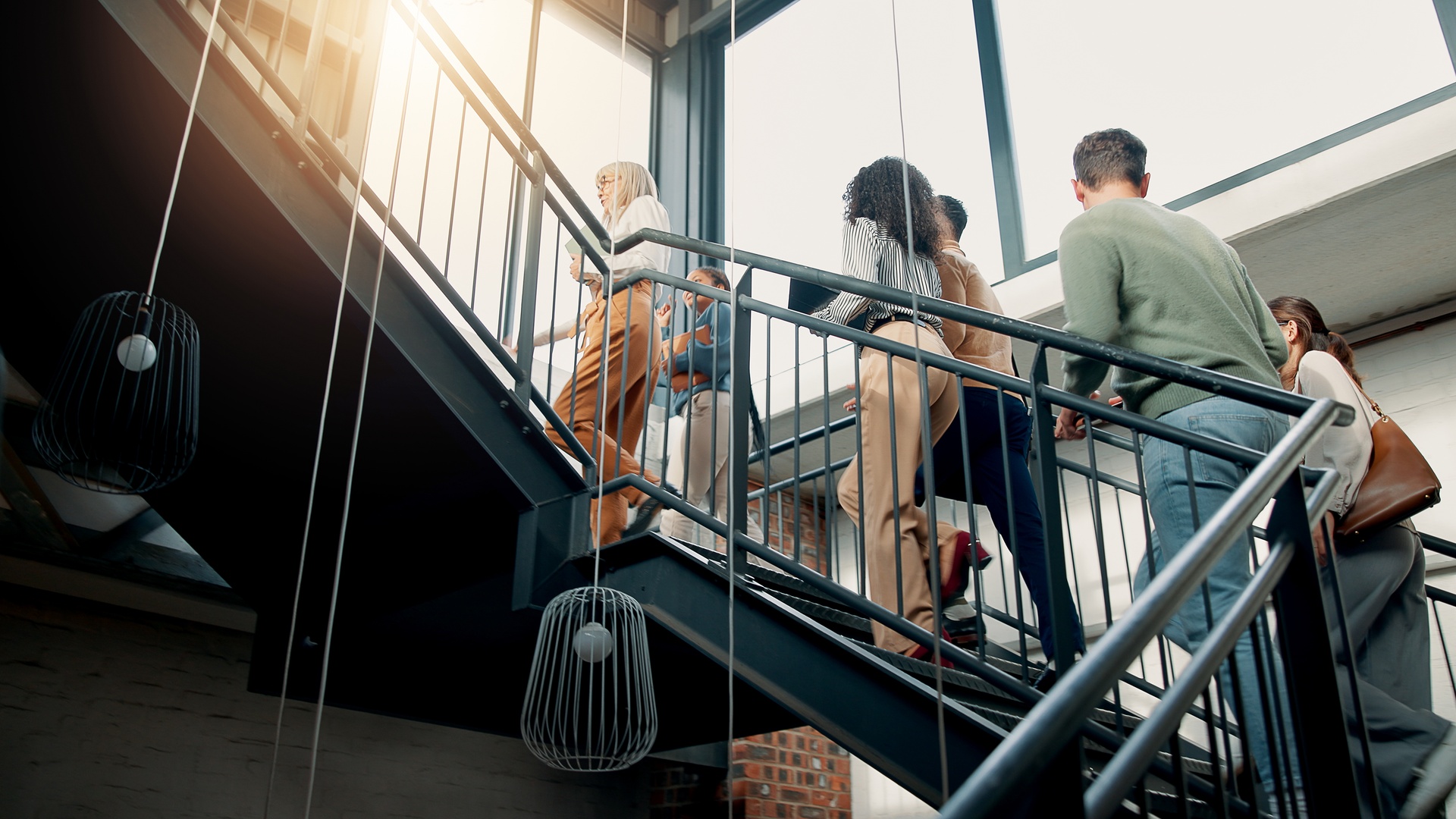
Choosing handrails for a business goes beyond selecting a style. It requires careful consideration of materials, design, and compliance with safety codes. Let’s cover the features that staircase handrails must have to provide support, safety, and durability in a commercial environment.
1. Compliance With ADA Standards
The Americans with Disabilities Act (ADA) sets clear guidelines for staircase handrails in public and commercial spaces to provide safe access for everyone. The guidelines specify the height, diameter, and clearance of handrails. For instance, business owners must install handrails on both sides of a staircase, and the railings need to have a continuous surface.
2. Sturdy Materials
Commercial handrails endure constant use. Material choice is a key factor in their longevity. Metals like stainless steel and aluminum are popular choices for their strength and resistance to corrosion.
When selecting materials, consider these factors:
- Environment: Will the handrail be indoors or outdoors? Outdoor installations require weather-resistant materials.
- Maintenance: What is the required upkeep of the material? Some materials need more frequent cleaning or refinishing than others.
- Aesthetic: The material should complement the building’s overall design.
3. Graspable and Continuous Design
A primary function of a handrail is to offer a secure grip. The shape and size must allow users to hold on comfortably and firmly. The ADA specifies a circular cross-section with a diameter between 1.25 and 2 inches for easy grasping.
Continuity is another key feature. The handrail should run uninterrupted along the entire length of the staircase, including landings. The design provides constant support for individuals as they navigate the stairs, thereby preventing slips and falls.
4. Secure Installation and Brackets
Even the best handrail is useless without a secure installation. The mounting system, including brackets and fasteners, must be strong enough to support heavy loads. Attach the brackets firmly to the wall or stair structure. Make sure there is just enough space to prevent the handrail from flexing or detaching under pressure.
Regular inspections of the installation are necessary to check for loose fittings or signs of weakness. A securely mounted handrail is a reliable safety feature for any commercial staircase.
5. Appropriate Handrail Extensions
Handrail extensions at the top and bottom of a staircase offer extra stability for individuals as they start or finish climbing. ADA guidelines require horizontal extensions of at least 12 inches at the top and one tread depth at the bottom. These extensions help people with mobility challenges steady themselves before and after using the stairs.
The anatomy of a staircase affects the type of handrails businesses can install. Focusing on ADA compliance, durable materials, a graspable design, secure installation, and proper extensions will guide you in the correct direction. These features are fundamental to creating a secure environment for every person who walks through the doors.