


4 Important Ways To Maintain Safe Forklift Speeds
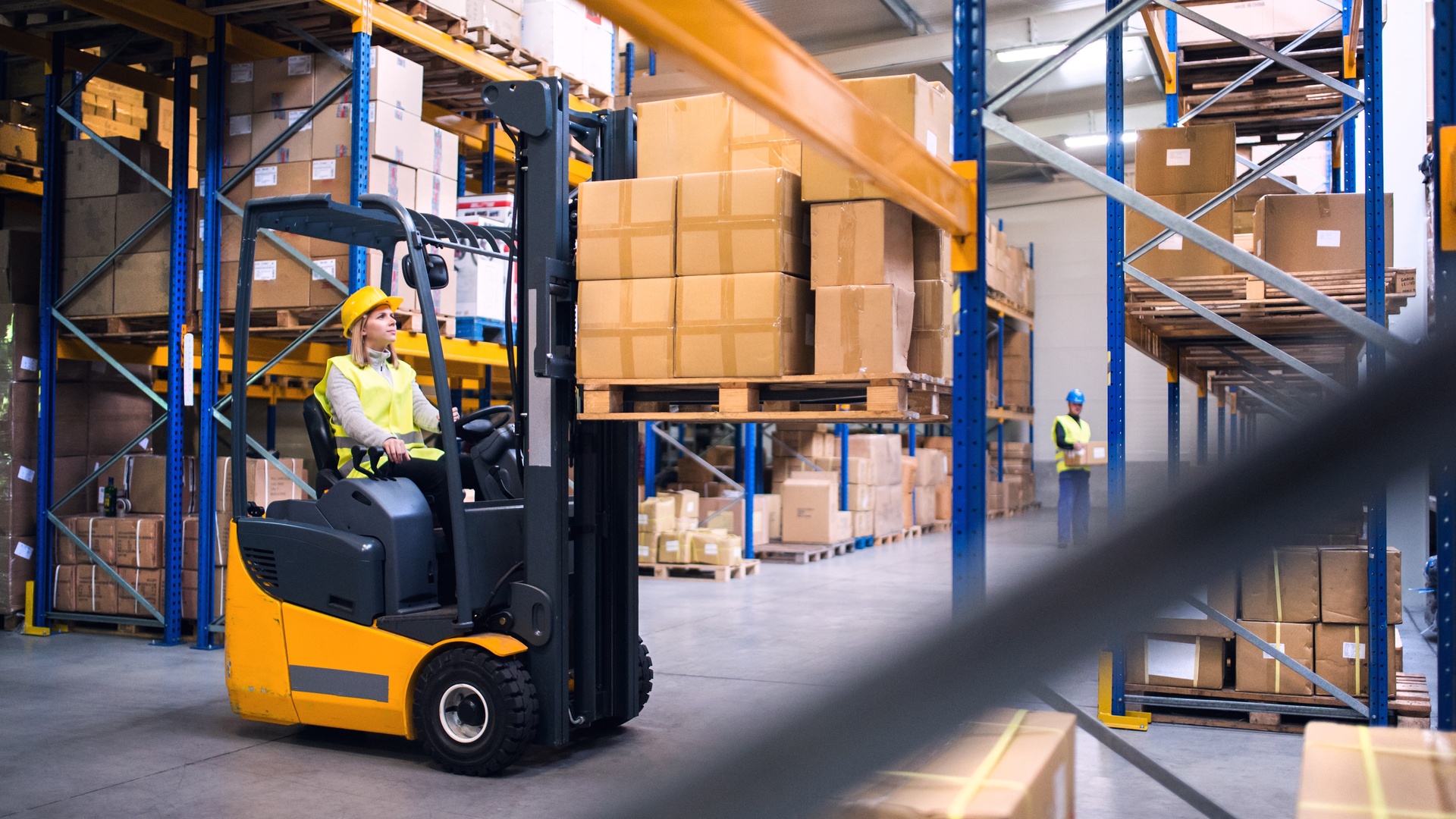
Operating heavy machinery in a bustling warehouse requires focus, precision, and a deep respect for safety protocols. Speeding remains a leading cause of workplace accidents, endangering operators, pedestrians, and valuable inventory alike. By prioritizing speed control, businesses can protect their workforce while keeping productivity high. Here are four important ways to maintain safe forklift speeds in your facility to ensure a secure working environment.
Regular Training and Certification
Comprehensive education is the absolute foundation of a safe workplace. When operators undergo rigorous training and certification processes, they develop a deeper understanding of the machine's physics, capabilities, and limitations. A well-trained driver understands that high speeds significantly reduce reaction times and increase the risk of tipping over, especially when carrying a heavy or uneven load. Regular refresher courses are equally vital, as they ensure that safety protocols remain top of mind and help reduce the likelihood of reckless driving behaviors developing over time.
Implement Speed Limiters
One of the most effective mechanical solutions for controlling pace is the installation of speed limiters. These devices physically prevent the forklift from exceeding a pre-set maximum speed, regardless of how hard the operator presses the accelerator. This technology effectively takes the guesswork out of safety for the driver. By removing the ability to go too fast, companies can significantly lower the risk of serious collisions and product damage without relying solely on human judgment or constant supervision.
Use Visual Aids and Signage
Clear communication within the warehouse environment is vital for reinforcing safety standards. Installing prominent speed limit signs and color-coded floor markings serves as a constant visual reminder to operators throughout their shift. Ignoring environmental cues is one of the most common forklift safety mistakes, so making these visual aids hard to miss is crucial. High-visibility tape, stop signs, and flashing lights mark high-traffic areas, encouraging drivers to slow down naturally and adjust their speed.
Routine Equipment Inspections
Operators can only operate a forklift safely if it is in pristine working condition. Routine inspections should focus specifically on the speedometer, brakes, and tires to ensure every component functions correctly. If a speedometer is uncalibrated or broken, the operator has no way of knowing their true pace. Following regular maintenance schedules prevents mechanical failures and ensures that speed control mechanisms remain reliable when needed most.
Prioritize Safety Today
Creating a secure warehouse environment requires an ongoing commitment to best practices and employee well-being. By investing in proper training, mechanical limiters, clear visual cues, and consistent maintenance, you create a culture where safety always comes first. Implementing these important ways to maintain safe forklift speeds will help you build a more secure and productive operation.