


3 Ways To Optimize Your Palletizing Operations
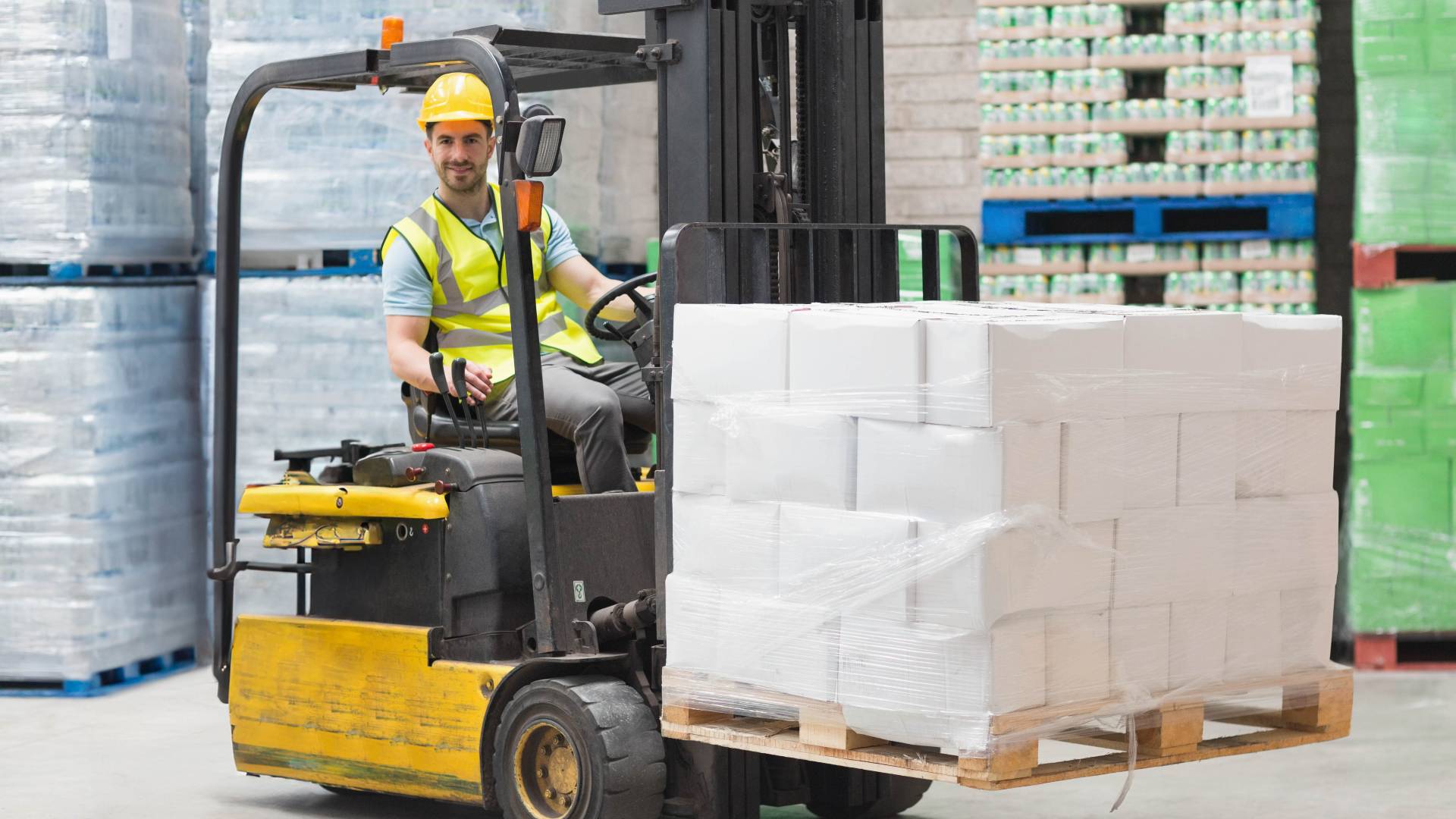
Palletizing is a fundamental part of any supply chain, but it's often an area ripe for improvement. Inefficient palletizing can lead to increased costs, product damage, and workplace injuries. Optimizing this process is essential for maintaining a competitive edge and ensuring a smooth, cost-effective workflow.
This article will explore three ways to optimize your palletizing operations, boosting both productivity and safety. By implementing these methods, you can transform your end-of-line packaging into a more efficient and reliable system.
1. Embrace Automation
One of the most effective ways to optimize your palletizing operations is through automation. Manual palletizing is labor-intensive, slow, and prone to human error, which can result in inconsistent and unstable loads. By introducing robotic palletizers, businesses can operate around the clock with greater speed and precision. This technology increases throughput and frees up employees to focus on more complex, value-added tasks.
Additionally, incorporating load stretch wrapping into palletizing automation consistently secures every pallet, reducing the risk of shifting and damage during transit. This leads to significant long-term cost savings by minimizing product loss and labor expenses.
2. Leverage Palletizing Software
Smart software revolutionizes pallet pattern optimization and minimizes waste. Palletizing software allows you to design and simulate the most efficient arrangement of products on a pallet before any physical stacking begins. The software calculates the ideal layout to maximize space, improve load stability, and minimize material usage.
This digital planning process prevents overhang and evenly distributes the pallet's weight, ensuring safe handling and transportation. By using these tools, you can reduce packaging waste and lower shipping costs by fitting more products onto each pallet, directly impacting your bottom line.
3. Prioritize Ergonomic Design
While automation is a key goal, many operations still rely on manual or semi-automated processes. In these environments, focusing on ergonomics is critical to protect your workforce and improve productivity. Poorly designed manual palletizing stations can lead to repetitive strain injuries, fatigue, and costly workers' compensation claims.
Implementing ergonomic solutions, such as adjustable-height lift tables, vacuum lifters, and rotating turntables, can significantly reduce the physical stress on employees. These tools help workers handle heavy loads with less effort, minimizing bending, reaching, and twisting. A healthier, more comfortable workforce is a more productive one, resulting in fewer errors and lower employee turnover.
By focusing on automation, utilizing smart software, and designing ergonomic workspaces, you can significantly enhance your palletizing operations. These three strategies work together to create a faster, safer, and more cost-effective system that strengthens your entire supply chain.