


How To Keep Your Septic Tank System Healthy
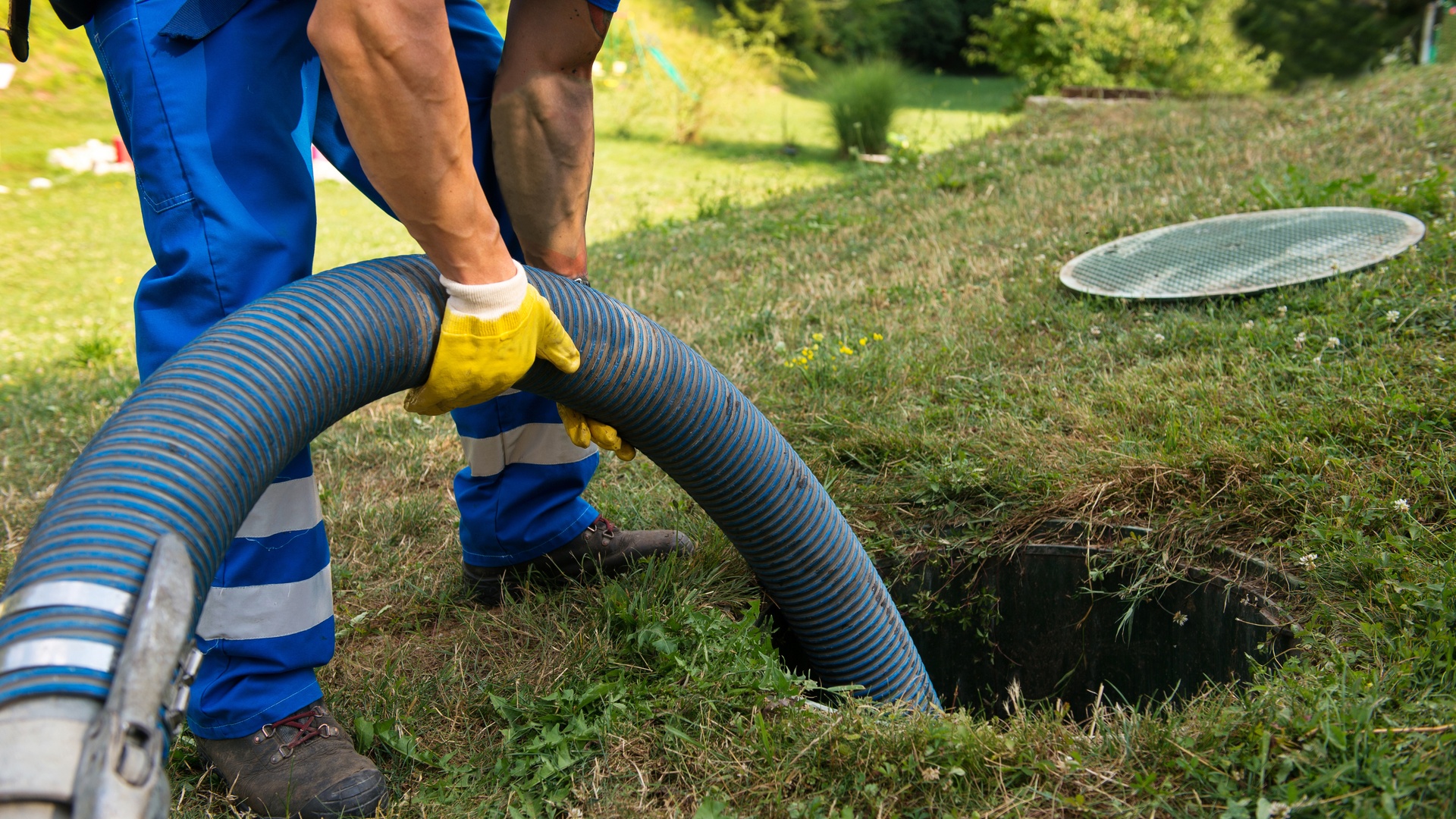
A healthy septic tank system protects your property, prevents costly repairs, and helps your household run smoothly. Many homeowners do not think much about their septic system until a problem appears. Unfortunately, waiting until something goes wrong often leads to expensive fixes and unpleasant situations. With regular care and a few smart habits, you can keep your septic tank functioning efficiently for years. Understanding how the system works and what affects its performance makes it easier to avoid common issues and maintain long-term reliability.
Understand How Your Septic System Works
Your septic system handles wastewater from your home. Water from sinks, toilets, showers, and appliances flows into the septic tank. Inside the tank, solids settle at the bottom while oils and grease rise to the top. The remaining liquid moves into the drain field, where the soil filters and treats it naturally.
When homeowners understand this process, they can make better decisions about what goes down their drains. Small daily choices have a significant impact on the health of the entire system.
Schedule Regular Septic Tank Pumping
One of the most important maintenance tasks involves pumping the septic tank at regular intervals. Even a properly functioning tank accumulates solid waste over time. If those solids build up too much, they can enter the drain field and create serious problems.
Most households need septic tank pumping every three to five years. However, the ideal schedule depends on factors such as:
- Household size
- Tank capacity
- Water usage habits
- Number of bathrooms
- Use of garbage disposals
A professional inspection can help determine the right pumping schedule for your property. Staying consistent with maintenance helps prevent backups, overflows, and expensive drain field damage.
Be Careful About What Goes Down the Drain
Your septic system works best when it processes only wastewater and biodegradable materials. Many common household items can disrupt the balance inside the tank or create clogs throughout the system.
Avoid flushing or draining items such as:
- Baby wipes
- Paper towels
- Feminine hygiene products
- Dental floss
- Cigarette butts
- Cat litter
- Grease and cooking oil
- Harsh chemicals
Even products labeled as flushable can cause problems. Toilets should only handle human waste and toilet paper. Keeping inappropriate materials out of the system reduces stress on the tank and helps maintain healthy bacterial activity.
Protect the Beneficial Bacteria
Beneficial bacteria play a critical role inside a septic tank. These microorganisms break down waste and help keep the system functioning efficiently. Without enough bacteria, solids accumulate faster and reduce overall performance.
Many household products can harm these bacteria. Excessive use of bleach, antibacterial cleaners, drain cleaners, and chemical solvents can disrupt the natural balance within the tank.
You do not need to eliminate cleaning products entirely. Instead, use them responsibly and choose septic-safe products whenever possible. Moderate use helps maintain bacterial populations while still keeping your home clean.
Conserve Water Whenever Possible
Excessive water use places unnecessary strain on a septic system. When too much water enters the tank at once, solids may not have enough time to separate properly. This situation increases the risk of waste reaching the drain field.
Simple water-saving habits can make a noticeable difference:
- Fix leaking faucets promptly
- Repair running toilets
- Install high-efficiency fixtures
- Spread laundry loads throughout the week
- Take shorter showers
Reducing water usage not only supports septic health but also lowers utility costs. Small adjustments often produce significant long-term benefits.
Maintain Your Drain Field
The drain field serves as a crucial component of the septic system. It filters wastewater and allows treated water to return safely to the soil. Damage to this area can compromise the entire system.
Protect your drain field by avoiding heavy activity above it. Do not park vehicles, place structures, or store heavy equipment on the area. Excess weight can compact the soil and damage underground pipes.
You should also direct rainwater away from the drain field. Excess moisture can overwhelm the system and reduce its ability to process wastewater effectively. Proper grading and drainage solutions help preserve the field's performance.
Watch for Warning Signs
Early detection can save homeowners from major septic system failures. Paying attention to warning signs allows you to address issues before they become costly emergencies.
Common indicators of trouble include:
- Slow drains throughout the home
- Gurgling sounds in plumbing fixtures
- Sewage odors indoors or outdoors
- Standing water near the drain field
- Unusually lush grass over the septic area
- Frequent plumbing backups
If you notice any of these symptoms, contact a septic professional as soon as possible. Prompt action often prevents more extensive damage.
Keep Accurate Maintenance Records
Many homeowners forget important service dates over time. Keeping detailed records helps you stay organized and maintain a consistent maintenance schedule.
Track information such as:
- Inspection dates
- Pumping appointments
- Repair history
- System upgrades
- Professional recommendations
These records become especially valuable if you sell your property in the future. Prospective buyers often appreciate documentation that demonstrates responsible septic system care.
Avoid Relying on Septic Additives
Many products claim to improve septic tank performance through special additives or treatments. While some additives may not cause harm, most properly functioning systems do not require them.
Regular pumping, responsible water use, and proper waste disposal remain far more effective than relying on additives. Before using any septic treatment product, consult a qualified septic professional for guidance.
Focusing on proven maintenance practices delivers more reliable results and reduces unnecessary expenses.
Work With Qualified Septic Professionals
Professional inspections provide valuable insight into the condition of your septic system. Experienced technicians can identify developing issues, recommend maintenance schedules, and perform necessary repairs before problems escalate.
Regular inspections also help homeowners streamline the septic maintenance process. A professional can create a customized service plan based on the age, size, and usage patterns of the system. This proactive approach reduces surprises and helps maintain consistent performance throughout the year.
Choosing reputable septic service providers helps make sure that inspections, pumping, and repairs meet industry standards and support long-term system health.
Plan for Long-Term Septic System Success
A septic system represents a major investment in your property. Protecting that investment requires consistent attention and responsible habits. Regular pumping, careful water usage, proper waste disposal, and professional inspections all contribute to a healthier system.
Homeowners who stay proactive often avoid the most common septic problems. Instead of dealing with emergency repairs and unexpected expenses, they enjoy reliable performance and greater peace of mind. By following practical maintenance practices and monitoring your system regularly, you can keep your septic tank healthy, efficient, and dependable for many years to come.